
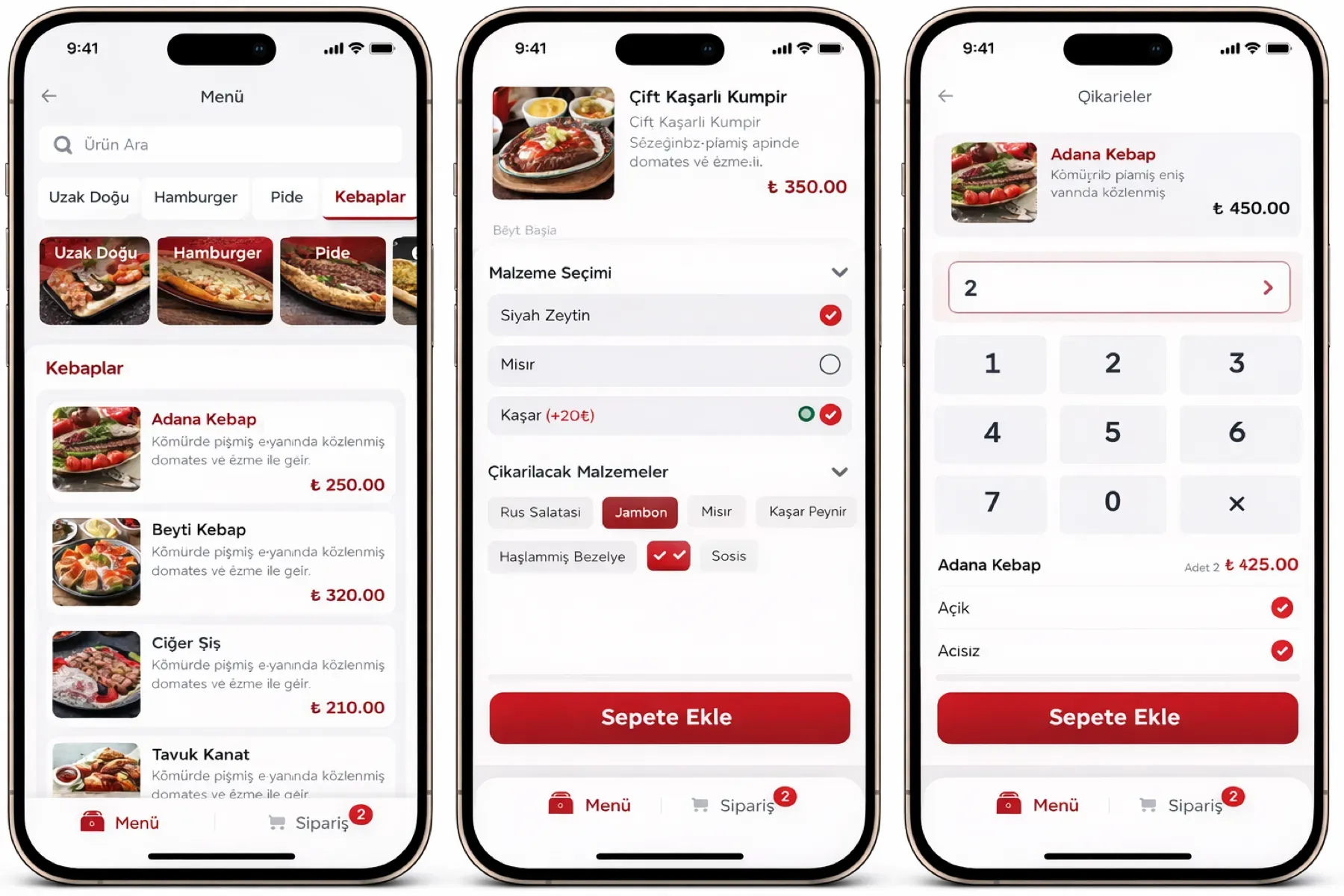
Restaurant Management

The phone rings, the address is asked again, and the order is written on a notepad

The Caller ID System recognizes the customer on a call coming in through a landline, mobile or VoIP line; the address, payment preference and order history appear on screen. The cashier does not ask for the address and reopens the last order.

Caller ID system
In short

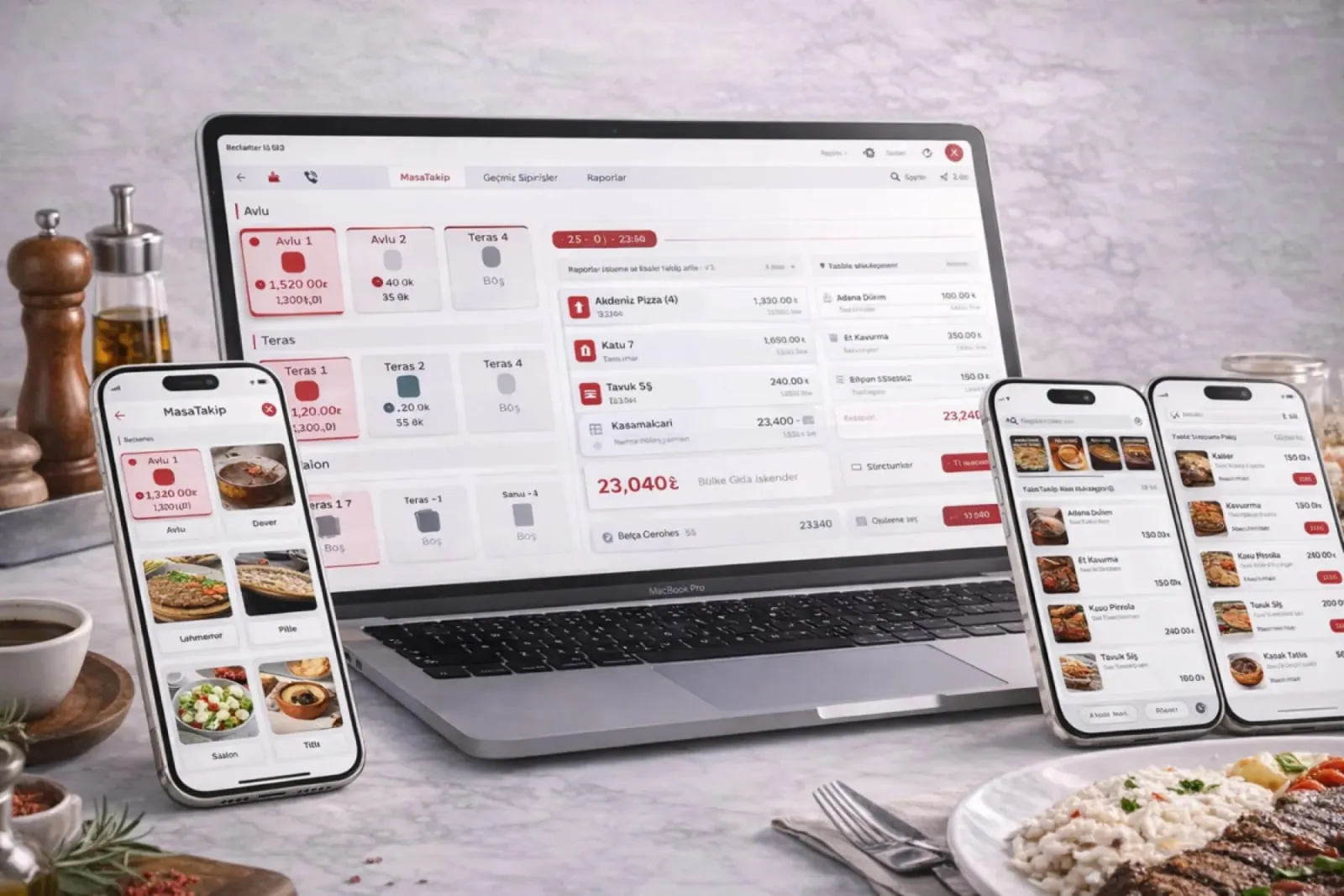
The Caller ID System is the Panda Restoran module that matches the calling number with a customer card on every incoming phone call and brings the address, payment preference and order history onto the screen. It works with landline, mobile and VoIP lines, and can also be used through an Android device. A past order is recreated in a few touches, and a delivery order drops onto the delivery screen.

How is this work done today?

  • The address is taken again on every call

    The same customer calls three times a week; each time the cashier asks for the neighborhood, street, floor and doorbell. A door number heard wrongly sends the courier back.

    1 cashier × 2 minutes / call
  • The order is written on a notepad

    A phone order is first written on paper and then entered into the program; at peak hour the paper gets lost or an item is skipped.

    1 cashier × 3 minutes / order
  • Customer history lives in memory

    For a customer who says "the usual", the usual order is only in the head of an experienced cashier; it gets asked again when the shift changes.

    1 cashier × 1 minute / call

How does Caller ID system work?

  1. 1

    The line is connected to the system

    Your landline, mobile or VoIP exchange is connected to the system with a Caller ID device or the Android app; setup is done remotely.

  2. 2

    The call drops onto the screen

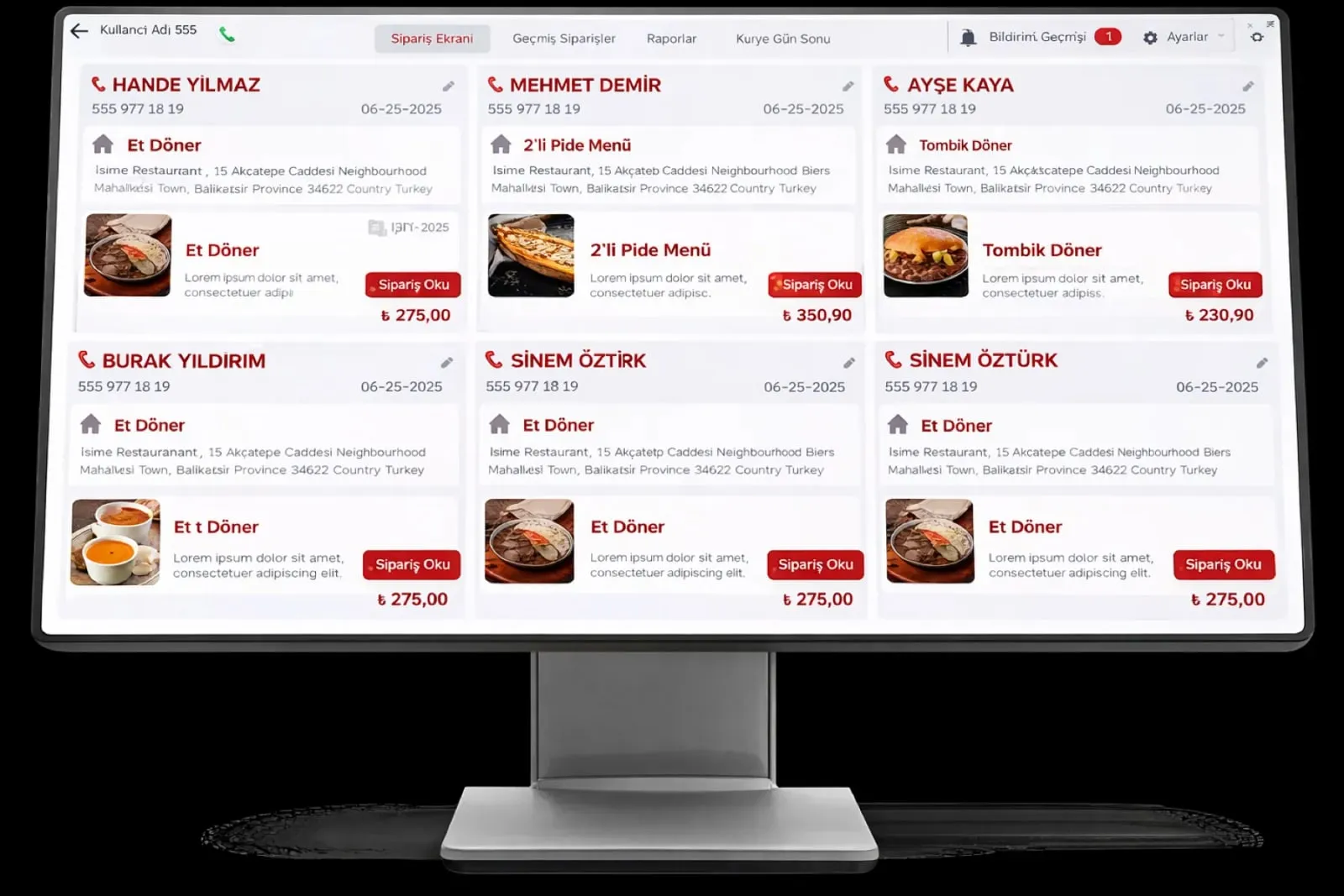
    The moment the phone rings, the calling number is matched with a customer card; the name, address, payment preference and order history open on the cashier's screen.

  3. 3

    The order is repeated or opened new

    The cashier recreates the last order in a few touches or enters a new one; the order drops onto the delivery screen, the kitchen display and the courier list.

  4. 4

    The agent completes the customer record

    After a call from a new number, the address and order information is written to the customer card, and merging duplicate cards is suggested. The head cashier approves the merge.

See how Caller ID system would work in your business

Tell us briefly about your process and we will walk through the screens with your own example.

  • Reply the same business day
  • 15+ years of experience
  • 90 client businesses

Caller ID system features

Caller ID system: Automatic customer recognition
  • Automatic customer recognition

    On every call coming in through a landline, mobile or VoIP line, the calling number is matched with a customer card; the card opens while the phone is ringing.

  • Order history on screen

    The customer's previous orders are visible on one screen with date and amount; for a customer who always asks for the same item, the order takes little time.

  • Quick repeat order

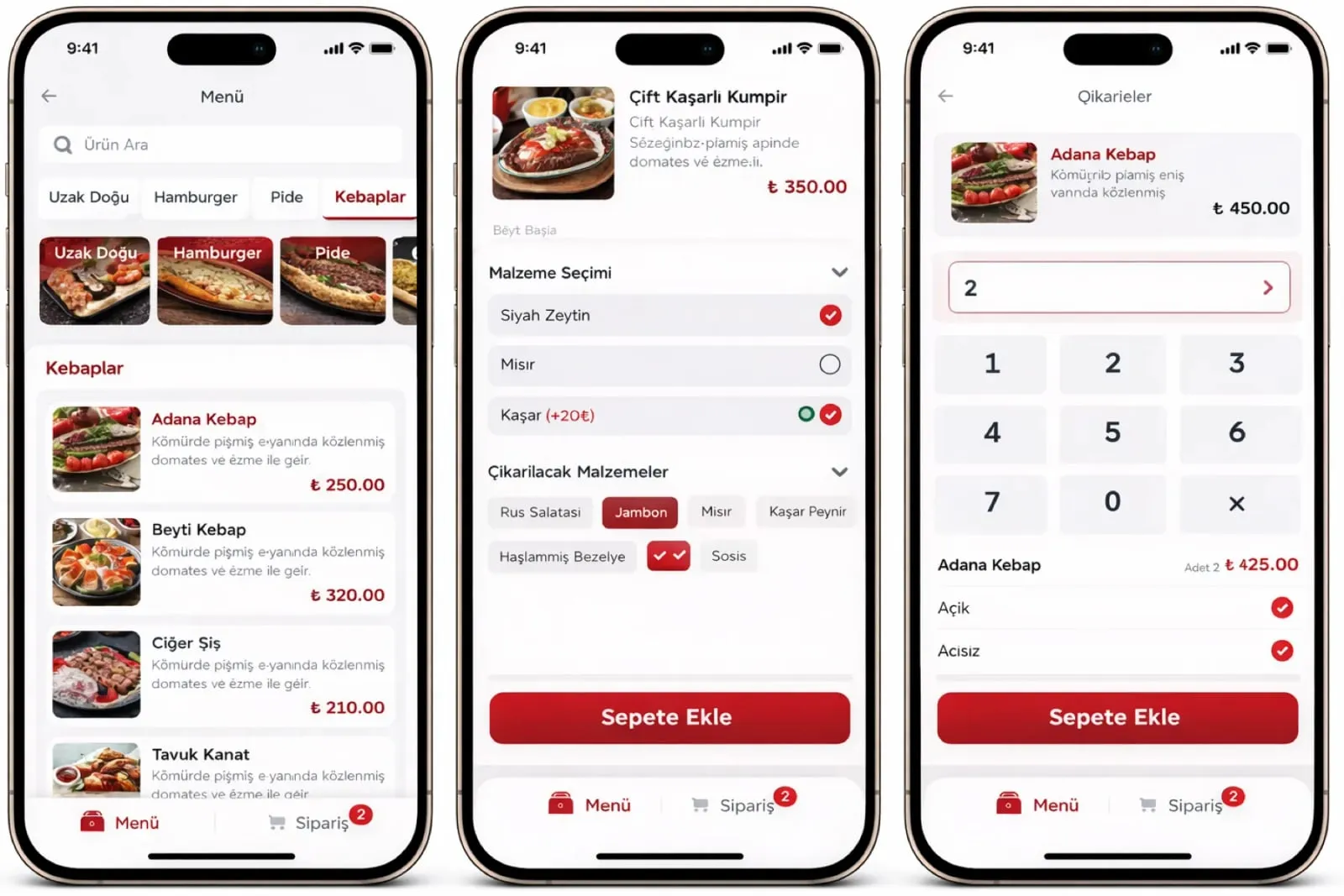
    A past order is recreated in a few touches; the products, address and payment preference carry over to the new order automatically.
Caller ID system: Address and payment preference
  • Address and payment preference

    The saved address, floor, doorbell and directions, plus the cash or card preference, sit on the card; the cashier does not ask, and it comes out ready on the courier's ticket.

  • Android Caller ID

    Caller ID support that runs on a mobile device; in a business with no landline, an Android phone recognizes the caller and passes it to the system.

  • Link to the delivery screen

    A phone order drops onto the same delivery screen as platform orders; the kitchen display and courier assignment continue in the same flow.

  • New customer card

    A card is opened during the call for an unrecognized number; the address and order are saved on the first call and are ready on the second.

  • Call log and report

    Incoming calls, missed calls and calls that turned into orders are listed with date and time; peak hours and customer frequency are reported.

What does Panda AI add to Caller ID system?

The Customer Service Agent is the Panda AI agent that answers order, shipping and invoice questions 24/7 on WhatsApp and e-mail and hands over what it cannot solve to the right person.

  1. Today A rep looks in the ERP to check an order’s status With the agent Order and shipping status answered 24/7
  2. Today Out-of-hours messages wait until morning With the agent Hands over what it cannot solve to the right person
  3. Today Complaints can get lost before they are logged With the agent Every request is logged and reported

Jobs it takes on

  • Order, shipping and invoice queries
  • 24/7 answers on WhatsApp and e-mail
  • Logging requests and handing them to the right person
  • Starting return and complaint processes
  • Frequently asked questions knowledge base
  • Request and satisfaction reports

The agent prepares, a person approves. Anything that posts a record or sends something outside the company goes through your approval.

Explore Panda AI agents

Frequently asked questions about Caller ID system

Which phone lines does it work with?

It works with landline, mobile and VoIP exchanges. For a landline, the Caller ID device is connected to the computer at the register; a VoIP exchange is integrated directly; for a mobile line, the Android app recognizes the caller and passes it to the system.

How is a customer card created?

When an unrecognized number calls, the cashier enters the name and address during the call; the card is opened at that moment and the order is linked to it. On the second call the card opens automatically. The existing customer list is imported from Excel during setup.

What does repeating an order copy?

The products, portions, extras and notes in the last order carry over to the new order; the address and payment preference come from the card. The cashier corrects anything that has changed and sends the order; the price is taken from the current menu.

How does a phone order reach the kitchen?

When the order is sent, it drops onto the delivery screen, the kitchen display and the printer, and shows in the courier list with the address. It moves in the same flow as platform orders, and the phone channel is a separate line in the end-of-day report.

What happens if the same customer has two cards?

A customer calling from different numbers can end up with two cards. The system lists cards with the same address and name as merge suggestions; when the head cashier approves, the cards merge and the order history is gathered on one card.

Are missed calls recorded?

Yes. A call that could not be answered at peak hour is listed with its number and time; the cashier calls back when free. The missed-call report shows at which hours the line was insufficient, and the staffing plan is made accordingly.

Where is customer data stored?

Customer cards are stored in your account and backed up daily; phone numbers and addresses are open only to authorized users. If the customer requests it, the record is deleted; the action is kept in the audit log.

What does the agent do in the Caller ID system?

After a call from a new number, Panda AI writes the address and order information to the customer card, finds duplicate cards belonging to the same customer and suggests merging them. The head cashier approves the merge; the agent does not delete or merge a card on its own.

See Caller ID system with your own data

Describe your process in a few sentences and we will show you the modules that fit.

  • 15+ years of enterprise software experience
  • In the cloud or on your own server
  • Processes compliant with KVKK (Turkey's data protection law)

Last reviewed: · Panda Yazılım product team