Restaurant Management

The ticket walks to the kitchen by hand, and the 'no spice' note gets lost on the way

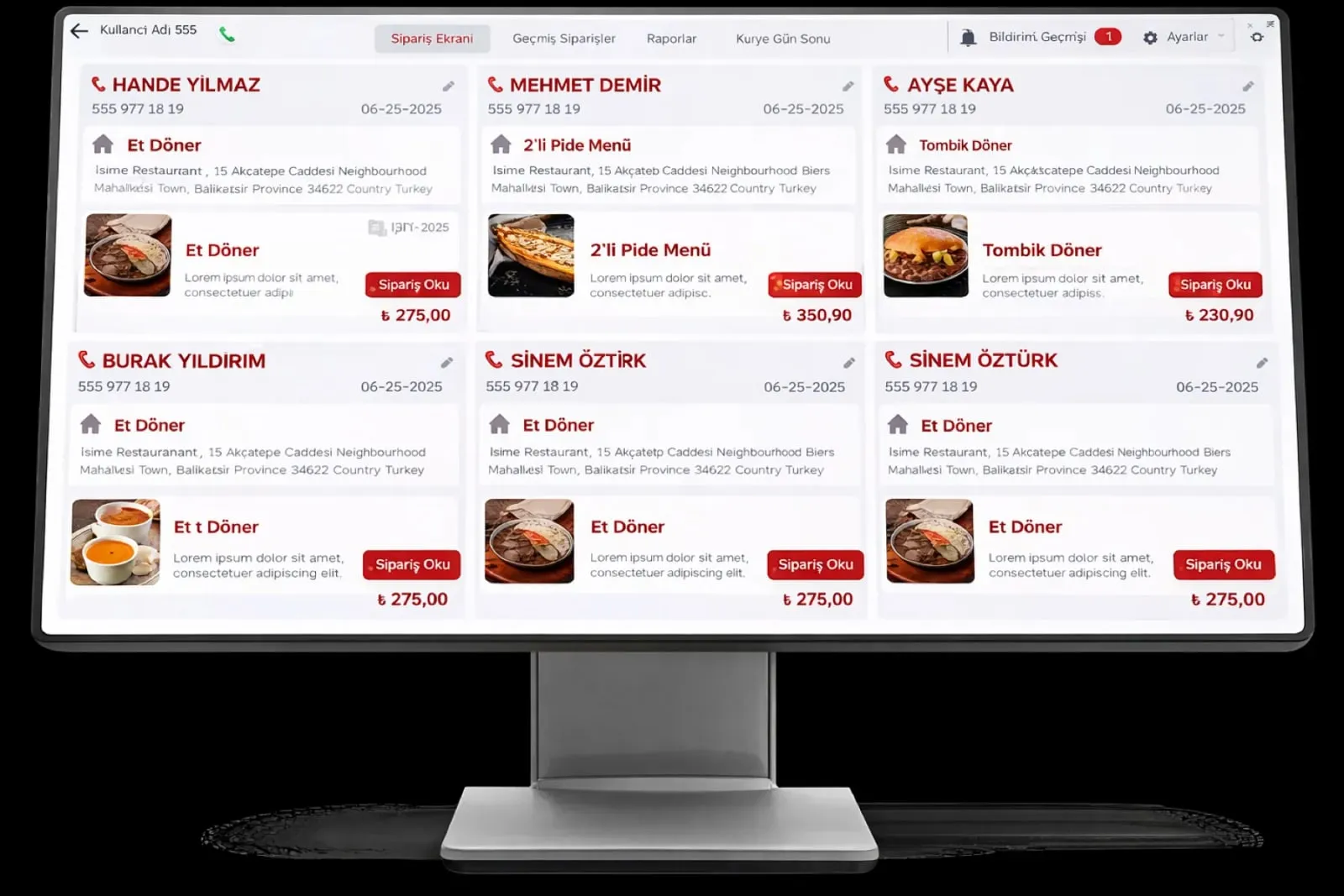
The Kitchen Display System (KDS) drops an order onto the kitchen screen the moment the waiter takes it. Ingredients, special requests and notes sit on the same screen, and the floor team sees the order's stage from the cashier station.

Kitchen display system
In short

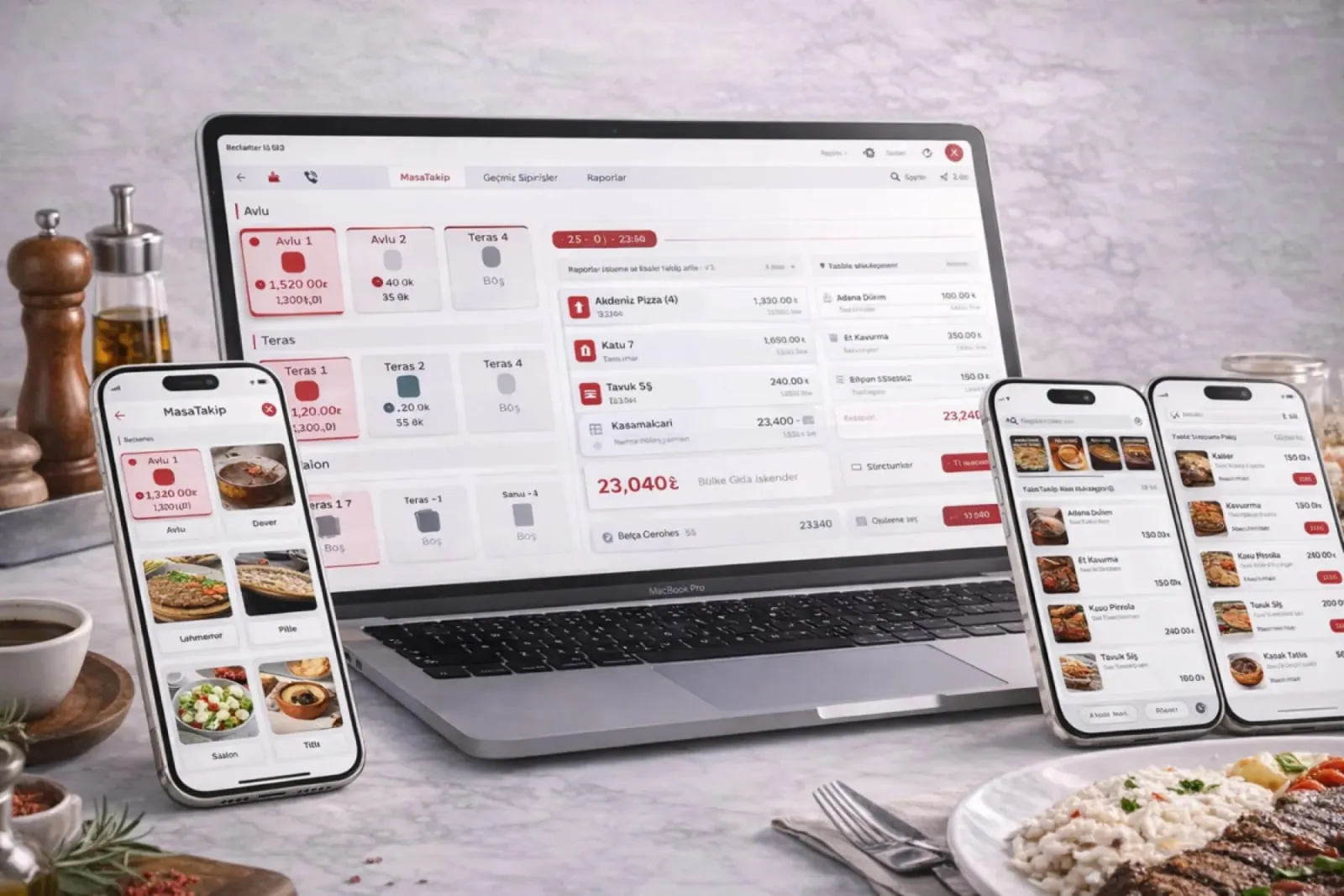
The Kitchen Display System (KDS) is the Panda Restoran module that sends orders from the POS, QR menu and waiter terminal to a kitchen screen instead of a paper ticket. Ingredients, special requests and notes appear on screen the moment the order is created; the kitchen team updates the prep stage on the screen, and the floor team follows the order's status from the cashier station. Preparation times are kept on record.

How is this work done today?

  • Tickets are carried to the kitchen by hand

    The waiter keys the order at the register, the ticket prints, and someone walks it to the kitchen. At peak hours tickets get mixed up and one order is cooked twice.

    1 waiter × 15 minutes / shift
  • Special requests are passed on by word of mouth

    'No onions', 'medium rare', 'sauce on the side' live in the waiter's head or in the margin of the ticket. A wrong plate comes back and the cost is written off as waste.

    1 head chef × 20 minutes / day
  • Order status is learned by asking the kitchen

    A guest asks the waiter 'when will it arrive', the waiter asks the kitchen, and the chef stops cooking to answer. The same question repeats at every peak hour.

    2 people × 30 minutes / day

How does Kitchen display system work?

  1. 1

    The order lands on the screen

    An order entered from the POS, QR menu, kiosk or waiter terminal appears on the kitchen screen at the same moment. A paper ticket can still be printed if you want one; the screen does not wait for it.

  2. 2

    Details and notes get their own line

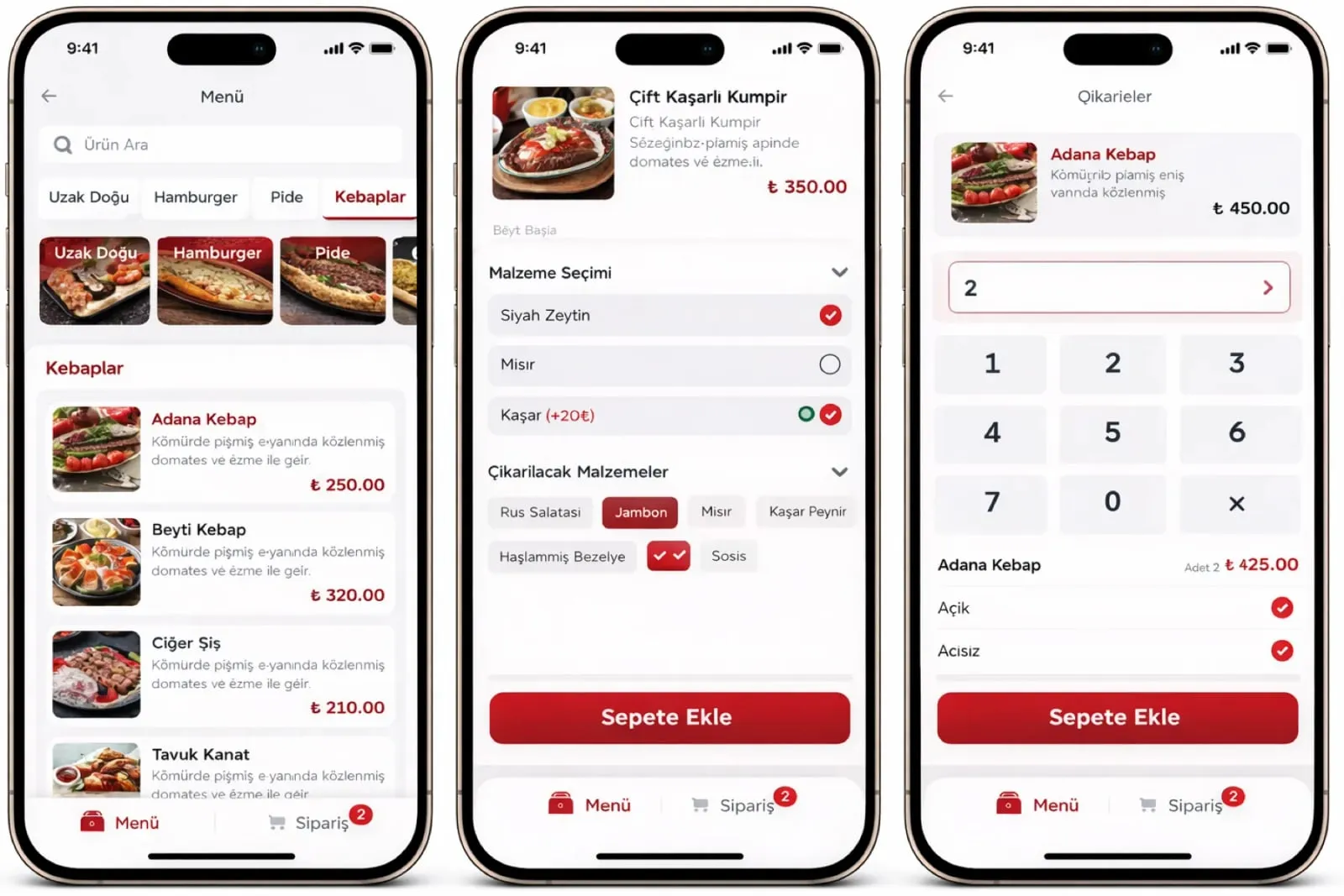
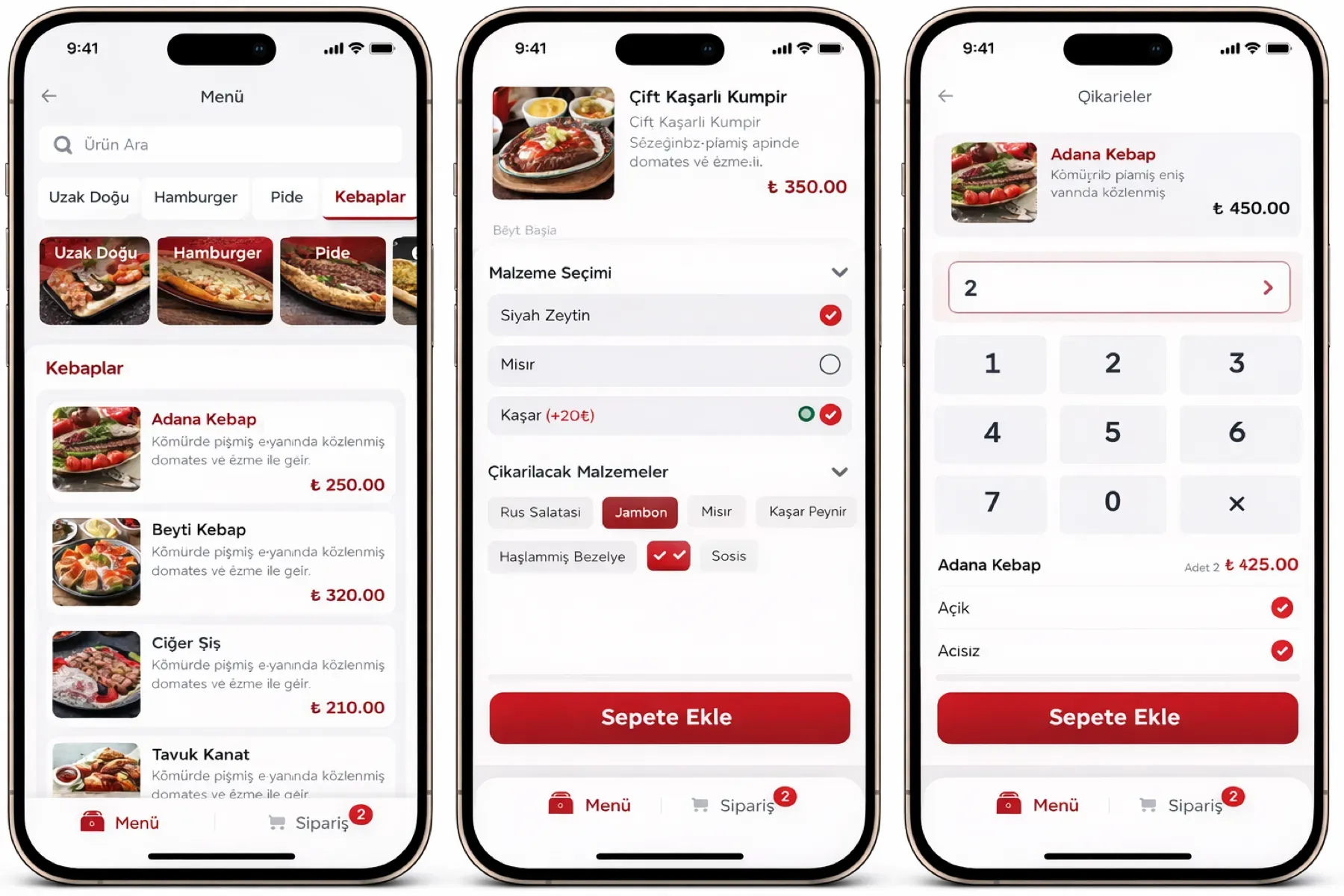
    Ingredients, portion size, extras and special requests show under the item on their own line. The note stands out in large type; the chef reads it instead of asking.

  3. 3

    Prep stage is updated on screen

    The kitchen team marks 'preparing' and 'ready' with one tap. The status shows on the order card at the cashier station and on the waiter terminal.

  4. 4

    Times stay on record

    The order's open and ready times are stored; prep time by item and station turns into a report. Items that exceed the target are listed at end of day.

See how Kitchen display system would work in your business

Tell us briefly about your process and we will walk through the screens with your own example.

  • Reply the same business day
  • 15+ years of experience
  • 90 client businesses

Kitchen display system features

Kitchen display system: Instant order transfer
  • Instant order transfer

    An order created at the register, in the QR menu or on the waiter terminal reaches the kitchen screen the same second, with no printer or ticket in between.

  • Detailed order view

    Ingredients, portion, extras and special notes sit on separate lines; table number and order time head the card.

  • Preparation status tracking

    'Waiting', 'preparing' and 'ready' are set with one tap on the touchscreen; an order past its target time changes colour on the screen.
Kitchen display system: Notification to the floor team
  • Notification to the floor team

    An order marked ready reaches the waiter terminal and the cashier screen; the waiter goes straight to the table without visiting the kitchen.

  • Station-based screens

    Separate screens are defined for the grill, cold kitchen, dessert and bar; order lines are routed to the right station, and the main screen shows the whole picture.

  • Works alongside a printer

    A kitchen printer can run next to the screen; if the screen goes offline, ticket printing takes over.

  • Preparation time report

    Average prep time by item, station and hour; peak-hour analysis is available as Excel and PDF.

  • Menu and recipe link

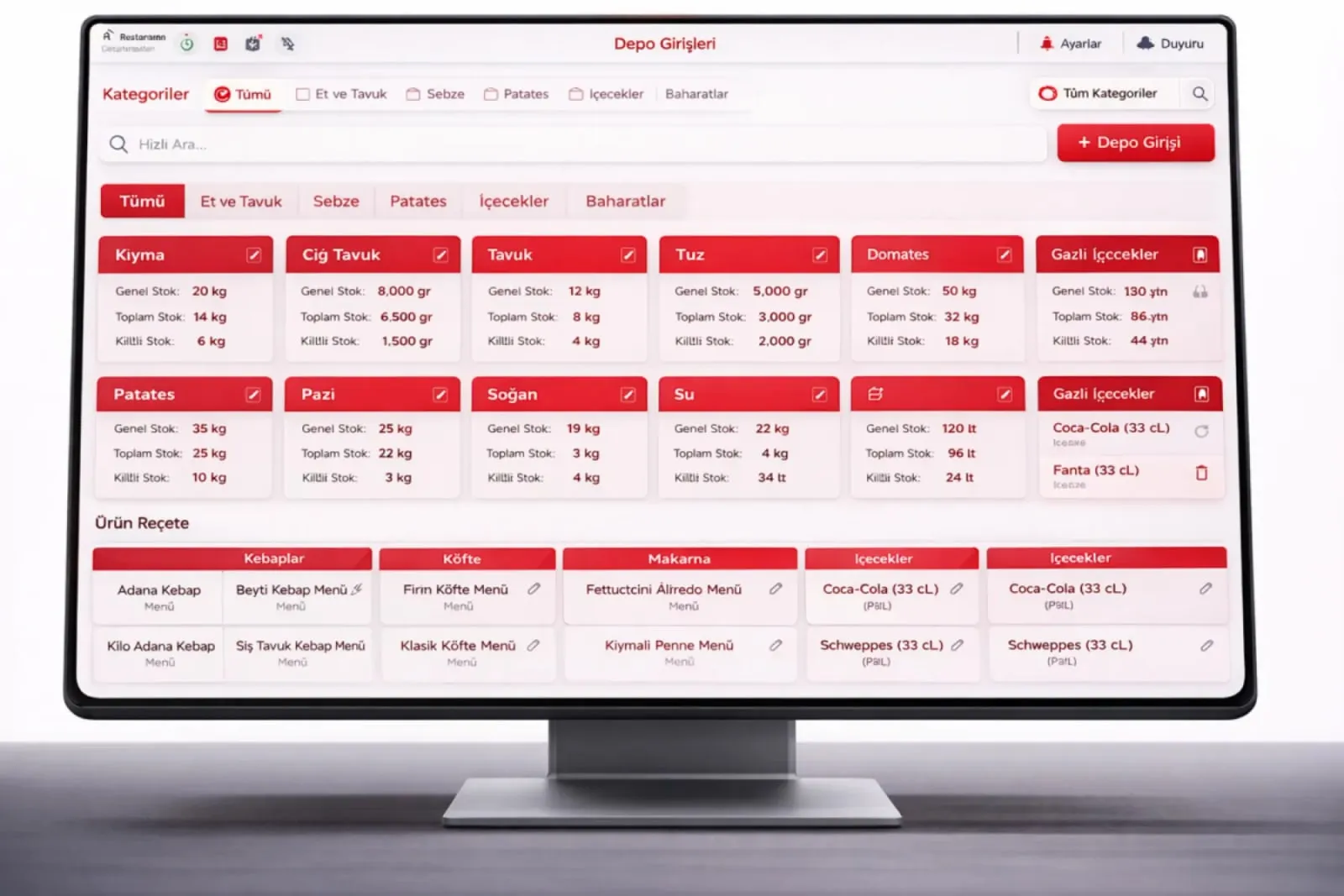
    The item on screen is tied to its Product and Menu Management card; when the recipe changes, the content on the kitchen screen changes too.

What does Panda AI add to Kitchen display system?

The Production and Planning Agent is the Panda AI agent that answers, in a single question, an order’s delivery date, whether work orders have the materials they need and where there is a risk of delay.

  1. Today The plan is kept in Excel and the ERP is updated afterwards With the agent The delivery date of any order with one question
  2. Today A material shortage is discovered when the line stops With the agent Material availability check for work orders
  3. Today Three people are asked for one delivery date With the agent Orders at risk of delay are flagged in advance

Jobs it takes on

  • Work order and delivery date queries
  • Material availability check
  • Scrap and efficiency reports
  • Delay risk alerts
  • End-of-shift summaries
  • Compiling quality records

The agent prepares, a person approves. Anything that posts a record or sends something outside the company goes through your approval.

Explore Panda AI agents

Frequently asked questions about Kitchen display system

What device does a kitchen display system need?

A touchscreen Android tablet or an industrial kitchen display is enough. The screen connects to Panda Restoran over the local network; depending on kitchen volume, we set up one screen per station or a single large screen. Your existing kitchen printer stays as a backup.

Do orders still reach the kitchen if the internet goes down?

Order flow runs on the local network; when the outside internet drops, transfer between the register and the kitchen screen continues. Cloud reports sync when the connection returns. If the local network also fails, the kitchen printer keeps printing tickets.

How are kitchen and bar orders separated?

A preparation station is defined on each item card: grill, cold kitchen, dessert, bar. An order from one table is split into lines, and each line appears on its own station screen. The main kitchen screen shows all orders for the table together; service timing is followed from there.

How do special requests and allergen notes appear on screen?

A note written by the waiter or guest appears under the item as a separate line in large type. An allergen warning is added automatically if it is defined on the item card. The chef marks 'ready' after reading and preparing; the order cannot be closed without the note being read.

How is the preparation time target set?

A target prep time in minutes is written on each item card. An order that exceeds it changes colour on screen and is listed in the end-of-day report. The head chef sets the target; the system only measures and displays.

Do QR menu and kiosk orders also reach the kitchen screen?

Yes. Orders from the QR Menu, self-service kiosk, waiter mobile terminal and delivery platforms arrive on the kitchen screen in one flow. The source is written at the top of the card; delivery orders are marked 'takeaway', and table orders come with the table number.

How does the waiter know an order is ready?

When the kitchen marks 'ready', a notification with the table number and item name reaches the waiter's mobile terminal and the cashier screen. The waiter does not ask the kitchen, they check the notification. Time a plate waits at the pass is tracked too.

What does the agent do in the kitchen display system?

Panda AI works out prep time per station from the order open and ready timestamps in KDS; items and stations over target are listed each morning. Changing the recipe or station layout is the head chef's decision; the agent prepares the report and changes nothing. Scenario: production report.

See Kitchen display system with your own data

Describe your process in a few sentences and we will show you the modules that fit.

  • 15+ years of enterprise software experience
  • In the cloud or on your own server
  • Processes compliant with KVKK (Turkey's data protection law)

Last reviewed: · Panda Yazılım product team