
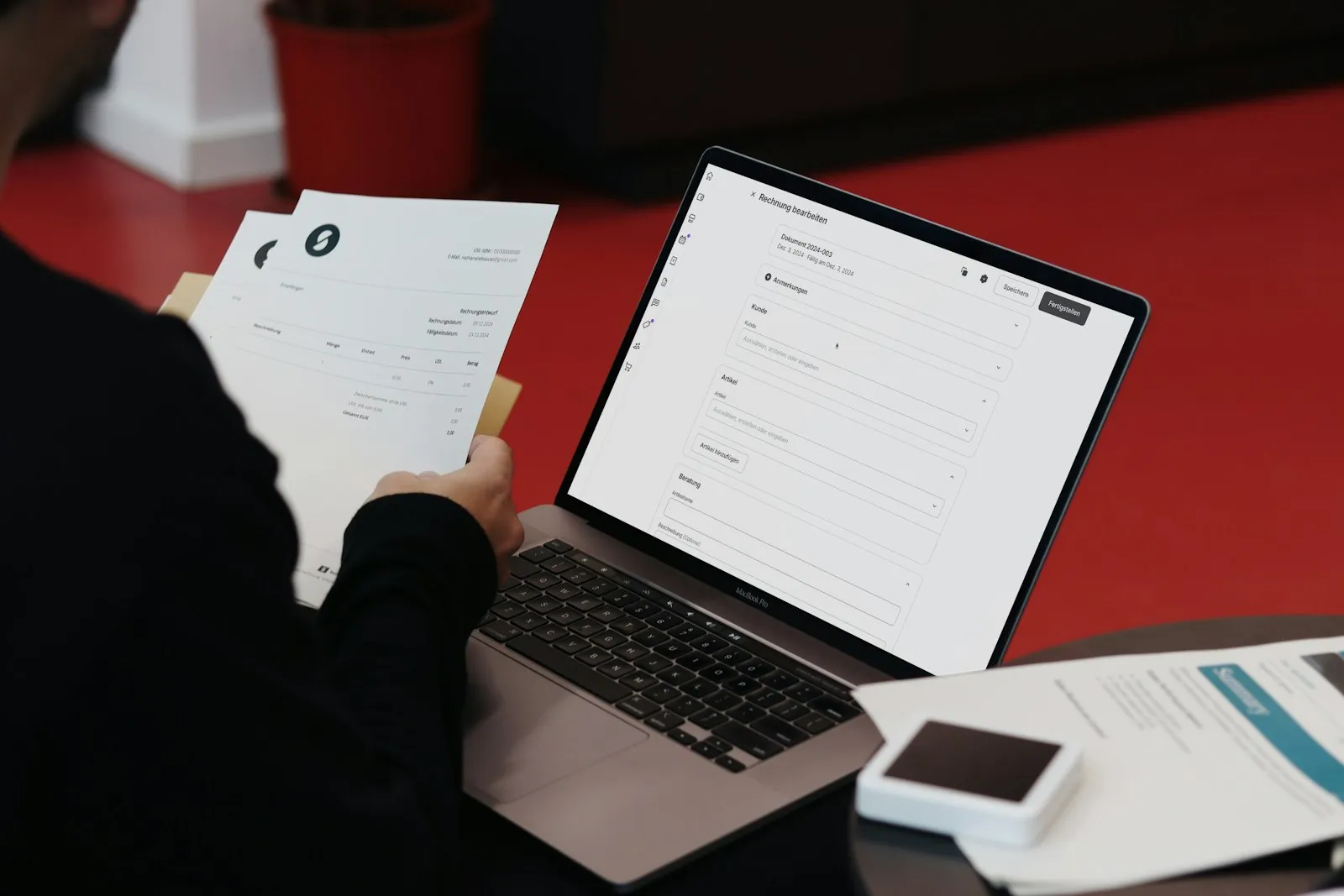

E-Documents

Four subsidiaries, four invoicing tools: the group closes the month by merging exports in Excel

Each new country adds a format, a channel and a deadline. Panda ERP keeps customers, items and accounting in one database and switches on the e-invoicing system of each legal entity separately, so a new mandate is a configuration step and not a new tool.

Multi-Country E-Invoicing
In short

Multi-country e-invoicing is the practice of meeting several national e-invoicing mandates from one ERP instead of one local tool per country. In Panda ERP each legal entity is linked to its country system, invoices are created from shared master data, and formats, channels, responses and archives are managed on the same invoice record.

How is this work done today?

  • Each subsidiary runs its own invoicing tool

    Local tools were bought country by country to meet each mandate. Customers and items are maintained separately in each of them, and group reports are built from exports.

    1 accountant × 2 days / month
  • Intercompany invoices are entered twice

    The selling entity issues the invoice in its tool and the buying entity types it into its own. Differences in amounts and dates appear at month end during reconciliation.

    2 people × 1 day / month
  • Every new mandate starts a new software project

    When a country announces a date, the search for a local tool, an interface and training starts again. The same master-data cleanup is repeated for each country.

    3 people × 2 weeks / country

How does Multi-Country E-Invoicing work?

  1. 1

    Countries and entities are mapped

    We list your legal entities, the countries they invoice from and to, and the mandate that applies to each according to your tax adviser. The result is a table of formats, channels and dates.

  2. 2

    Master data is completed once

    Tax numbers, structured addresses, electronic addresses and item codes are checked for all customers and items. Panda ERP lists the records with missing fields per country requirement.

  3. 3

    Country systems are switched on one by one

    Each entity is connected to its system and tested with sample invoices in the test environment of the platform or provider. Entities without a mandate continue with PDF or EN 16931 invoices.

  4. 4

    One status list for the group

    After go-live, all entities issue from the same screens. Sent, accepted and rejected invoices are shown per entity, and group sales are reported without merging files.

See how Multi-Country E-Invoicing would work in your business

Tell us briefly about your process and we will walk through the screens with your own example.

  • Reply the same business day
  • 15+ years of experience
  • 90 client businesses

Multi-Country E-Invoicing features

Multi-Country E-Invoicing: Ready country connections
  • Ready country connections

    Saudi Arabia, the UAE, Egypt, Germany, Austria, Switzerland and Azerbaijan are available as ready connections: the invoice is created in the required format, sent, and the response or status stored on the record.

  • Standards for the remaining countries

    EN 16931 invoices in UBL and CII and Peppol delivery through a connected access point cover receivers in many further countries. Connections to other national platforms are scoped per project.

  • One legal entity, one country system

    The e-invoicing system, numbering series, currency, tax rates and invoice language are set per company. A user sees only the entities and branches they are authorised for.
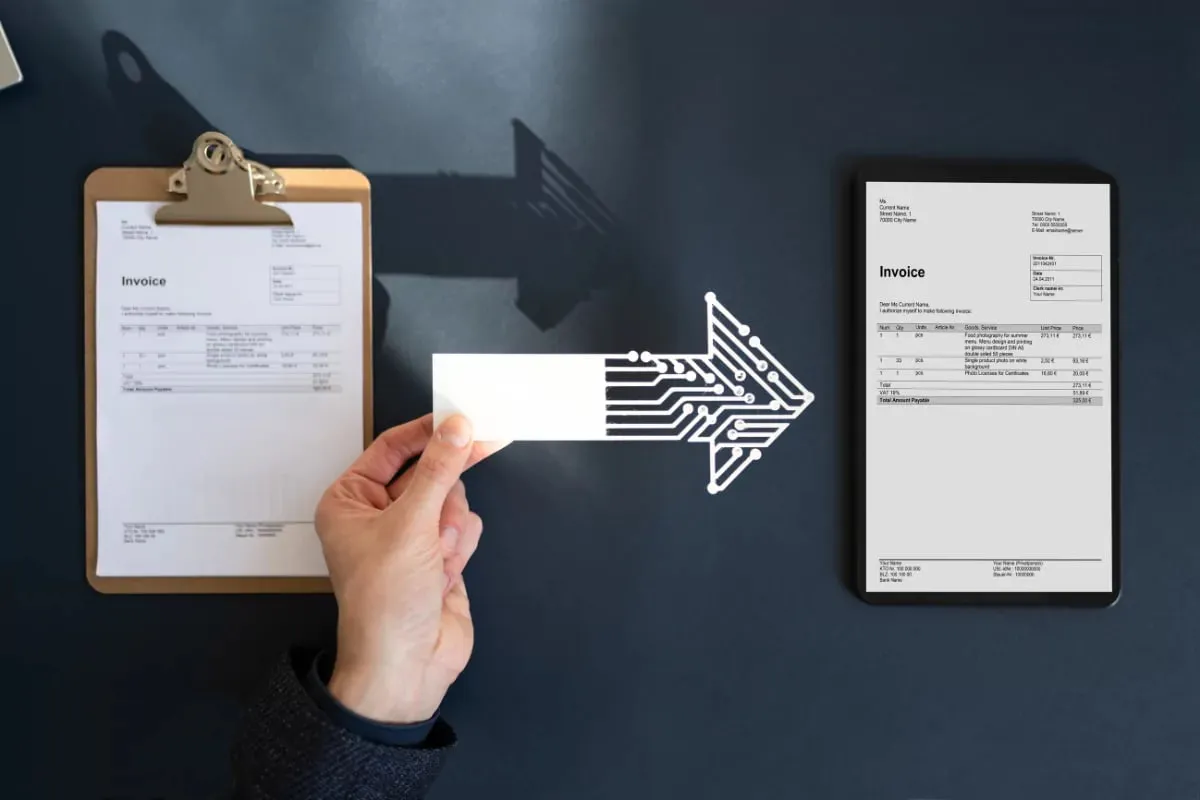

Multi-Country E-Invoicing: Shared customers and items
  • Shared customers and items

    A customer with sites in several countries is one record with country-specific tax numbers and addresses. Item codes required by a country, such as GS1 codes, are stored on the same item card.

  • Intercompany invoices without retyping

    The sales invoice of one entity creates the purchase invoice draft of the other. Balances between entities are reconciled from the same data.

  • Mandate calendar in the system

    Dates such as Germany's issuing obligation from 2027 and 2028, the UAE's start on 1 January 2027 and 1 July 2027, and the EU's digital reporting from 1 July 2030 are stored as rules per entity and reviewed with you.

  • Consolidated reporting in several currencies

    Sales, receivables and VAT are reported per entity in local currency and for the group in the reporting currency, with the exchange rate stored on each invoice.

  • Audit log and archive per country

    Who created, approved and sent each invoice is recorded with a time stamp. Original files and platform responses are archived per entity and exported by period.

What does Panda AI add to Multi-Country E-Invoicing?

The Finance and Accounting Agent is the Panda AI agent that takes on due-date tracking, bank-to-ERP matching and draft account reconciliations.

  1. Today Bank transactions are matched to the ERP by hand With the agent Unmatched transactions are listed every morning
  2. Today Due-date lists are kept separately in Excel With the agent A cash flow forecast is ready on current data
  3. Today Account reconciliation e-mails are written one by one With the agent Reconciliation e-mails arrive as drafts; approval is yours

Jobs it takes on

  • Due-date and collections tracking
  • Bank-to-ERP matching check
  • Cash flow and budget variance report
  • Draft account reconciliations
  • Invoice and expense inconsistency alerts
  • Month-end closing checklist

The agent prepares, a person approves. Anything that posts a record or sends something outside the company goes through your approval.

Explore Panda AI agents

Frequently asked questions about Multi-Country E-Invoicing

Can one ERP really cover several e-invoicing mandates?

Yes, when the country logic sits on the legal entity and the invoice record stays the same. Panda ERP generates the format and uses the channel required for each entity. Ready connections exist for seven countries; others are added through the supported standards or a project-specific connection.

Which countries are ready today?

Saudi Arabia, the United Arab Emirates, Egypt, Germany, Austria, Switzerland and Azerbaijan. For each of them Panda ERP creates the invoice in the required format, sends it and stores the response or status on the invoice.

What if one of our countries is not on the list?

We check which format and channel the country requires. If EN 16931 and Peppol are accepted, the existing functions apply. If a national platform or a local accredited provider is required, we scope that connection as part of your project and tell you the effort before you decide.

In which order should we roll out?

Usually by deadline: the entity with the nearest mandate date first, then the others. Master-data cleanup is done once for all countries at the start, because missing tax numbers and addresses cause most rejections everywhere.

Who decides which rules apply to each entity?

Your tax adviser in each country. Panda ERP implements formats, fields and channels; it does not replace tax advice. We configure the system according to the confirmed obligations and document the settings per entity.

How experienced is Panda with ERP projects?

Panda Yazılım was founded in 2018, its team has 15+ years of experience in enterprise software and ERP, and it serves 90 client businesses. To discuss your countries, use the Get in touch form or write to [email protected].

See Multi-Country E-Invoicing with your own data

Describe your process in a few sentences and we will show you the modules that fit.

  • 15+ years of enterprise software experience
  • In the cloud or on your own server
  • Processes compliant with KVKK (Turkey's data protection law)

Last reviewed: · Panda Yazılım product team

Sources: OpenPeppol: About Peppol , European Commission: eInvoicing and the European standard EN 16931 , European Commission: VAT in the Digital Age (ViDA) , ZATCA (Saudi Arabia): e-invoicing roll-out phases , UAE Ministry of Finance: eInvoicing , Germany: § 27 (38) UStG, transitional rules for e-invoices