
Industry solution

Food production: no more lots in a notebook, expiry dates on labels and retailer orders in a portal

The goods receipt form is on paper, the batch record is in the production notebook; when a recall is needed, waybills are searched one by one. The agent reads the portal order, opens the batch from the recipe, links the raw material lot all the way to shipment and combines the HACCP round record with sensor data; the quality manager approves. Recipe, lot, cold chain and electronic delivery note sit in the same record.

A view from the Food Production industry

Recurring work in Food Production businesses

  • The lot trail is in a notebook, and a recall takes days

    The raw material lot is on the goods receipt form, the batch number in the production notebook, the dispatch waybill in accounting. After a complaint, the question of which batch went to which customer is answered file by file.

  • Retailer order in a portal, then typed into the ERP

    The retail chain sends its weekly order through a portal or an EDI file and sets an expiry-date rule. Sales types the lines in by hand and phones the warehouse to ask which lot meets the expiry rule.

  • HACCP round on paper, temperature on another screen

    Cold room temperature is on the sensor screen, the inspection round on a paper form, the deviation in a corrective-action file. At audit time you try to put the three side by side.

Panda in Food Production

A view from the Food Production industry

A lot chain from supplier to shelf

Raw material lot, batch, packaging and waybill are linked. Which lot went to which customer, and how many kilos, shows up in one query, and the recall list is produced instantly.

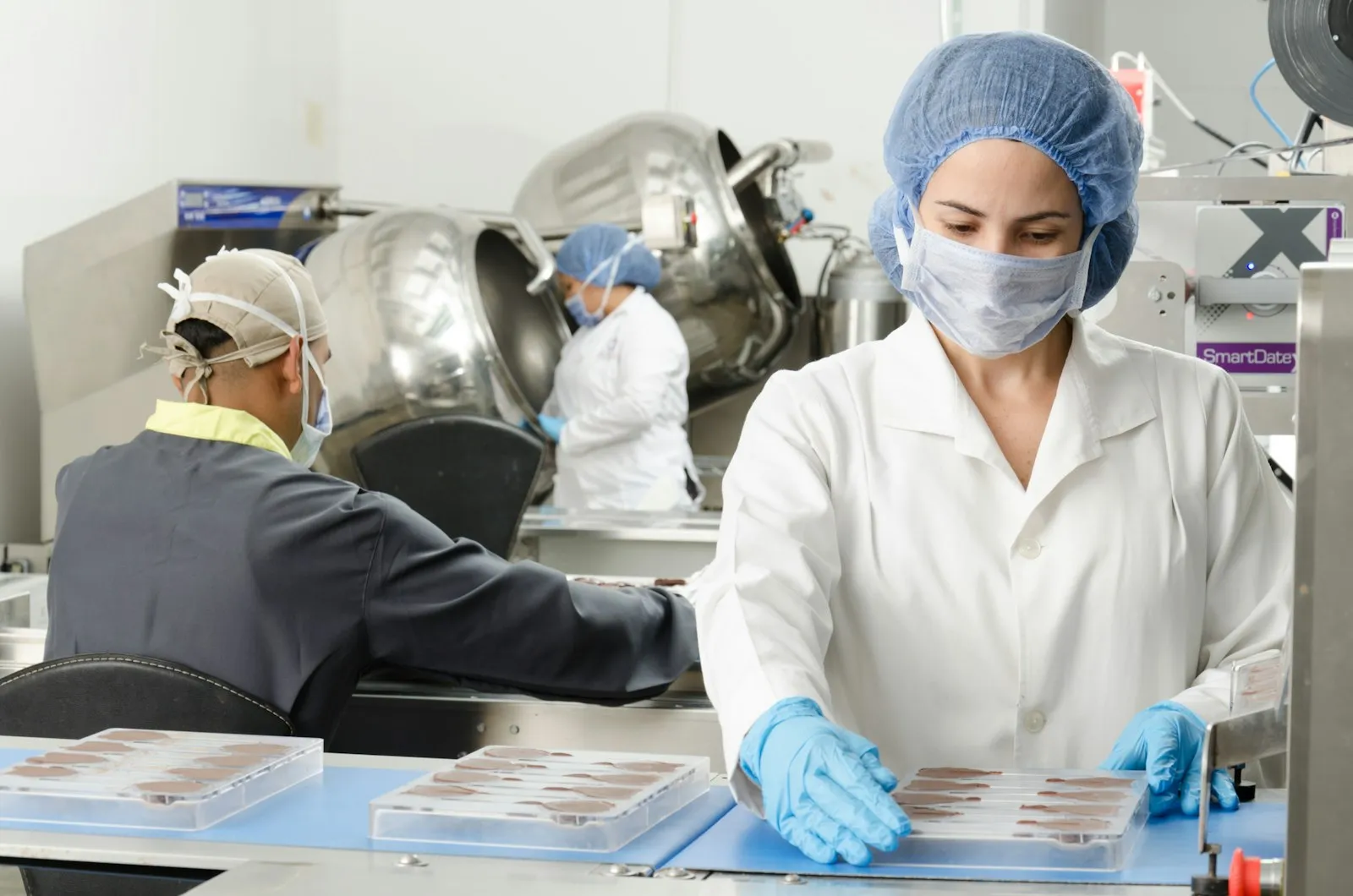
  • Recipe and batch production
  • Lot and expiry traceability
  • Raw material goods receipt and analysis

A view from the Food Production industry

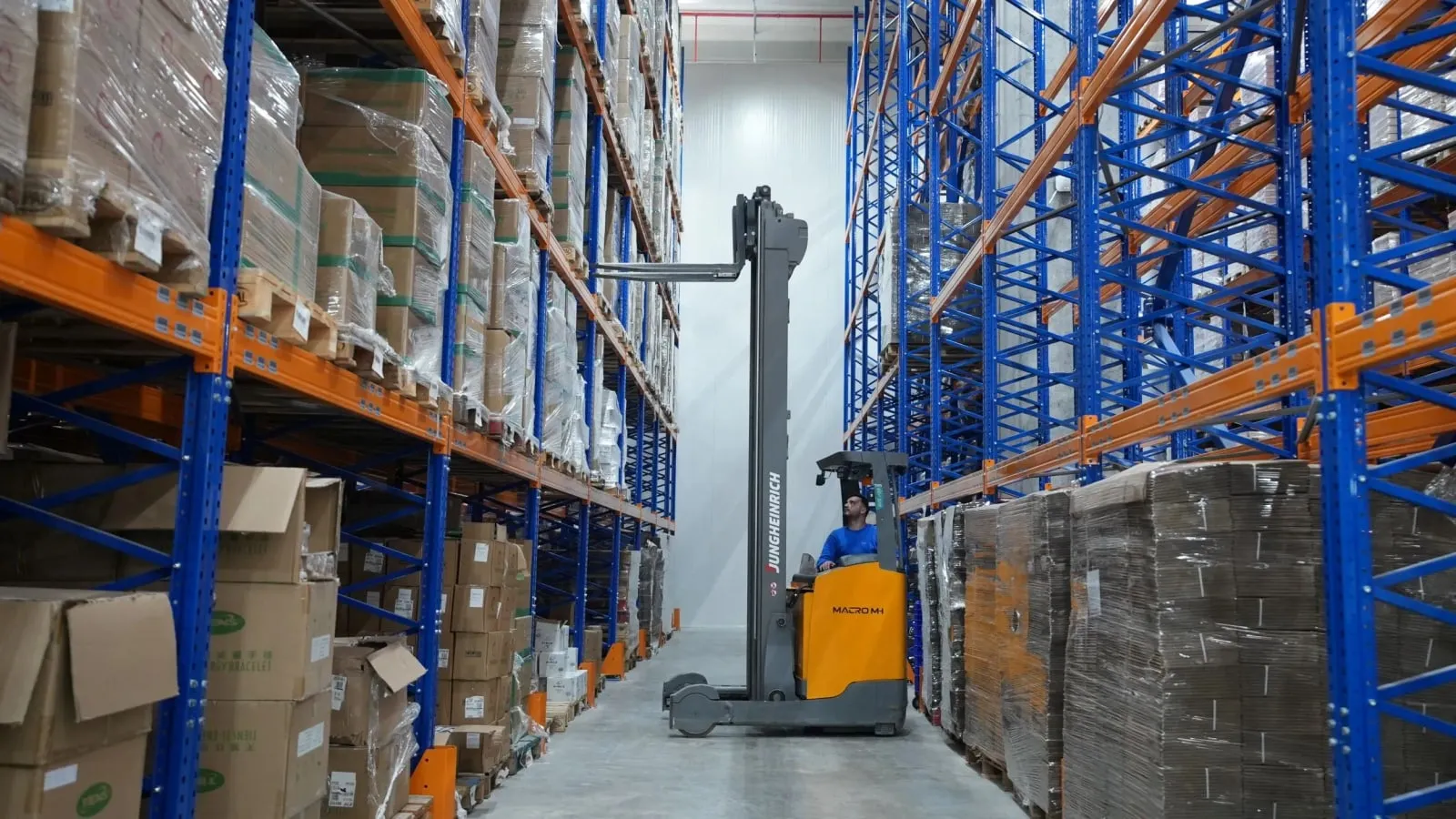
Cold chain and FEFO warehouse

The temperature sensor is matched to the room and the lot, and the lot closest to expiry leaves first. Differences and temperature deviations are listed the day they occur, not at stocktaking.

  • Cold chain and warehouse
  • Line plan and delivery route
  • HACCP and hygiene records

See how Food Production would work in your business

Tell us briefly about your process and we will walk through the screens with your own example.

  • Reply the same business day
  • 15+ years of experience
  • 90 client businesses

How is it done today, and how does it work with an agent?

Figures are process estimates (people × hours); in every scenario the final approval stays with your team.

  1. 01 Lot traceability and recall

    Today

    When a complaint arrives, the batch number is looked up, the goods receipt form and waybills are pulled from the folder, and the affected customer list is typed up in Excel.

    With an AI agent

    The agent links the raw material lot from goods receipt to batch and from batch to waybill; a query instantly produces the list of affected customers and quantities. The recall list goes to the quality manager; a person decides.

    6 hours per incident × 4 incidents = 24 hours of searching per year
  2. 02 Portal order and expiry-date rule

    Today

    The portal order is typed into the ERP line by line, the warehouse is phoned about lots that meet the expiry date, and the dispatch plan is made in a separate Excel file.

    With an AI agent

    The agent reads the portal or EDI order, allocates lots that meet the expiry rule in FEFO (first expired, first out) order, opens the order and proposes it to the dispatch plan. A line without enough stock goes to sales planning; a person gives the approval.

    15 min per order × 18 orders = 4.5 hours per day
  3. 03 HACCP record and deviation

    Today

    The shift supervisor writes the round on a paper form, reads sensor values off the screen and copies them in; a corrective action is opened separately for any deviation.

    With an AI agent

    The agent merges the sensor record with the round form, opens a draft corrective action linked to the batch for any out-of-limit value and generates the audit file from a template. Closure goes to the quality manager; a person decides.

    40 min per shift × 2 shifts × 26 days = 35 hours per month

Panda ERP features for Food Production

  • Recipe and batch production

    Recipe version, raw material and packaging requirement by batch size, allergen information and waste; unit cost is refreshed when the batch is closed.

  • Lot and expiry traceability

    Chain from raw material lot to dispatch waybill, expiry label, recall list; customers and quantities in one query, linked to the electronic delivery note.

  • Raw material goods receipt and analysis

    Supplier waybill, weighbridge ticket and analysis values on the lot card; conditional acceptance, sample label and supplier score on a tablet screen.

  • Cold chain and warehouse

    Temperature sensor, room and lot matching, FEFO dispatch order; expiry alert, shelf-versus-system difference and counts entered from a handheld terminal.

  • Line plan and delivery route

    Orders are split into batches by expiry date and line capacity; refrigerated vehicle route, electronic delivery note per trip and signature on delivery captured on mobile.

  • HACCP and hygiene records

    Critical control point values, inspection round, pest monitoring and staff health records; deviations are linked to corrective actions and the audit file to a template.

What does Panda AI take on for Food Production?

For Food Production, Panda AI takes on these jobs: Alerts for stock approaching its expiry date; Lot and batch traceability queries; Order picking and shipment summaries.

  1. Today Someone phones the warehouse to check stock With the agent Live stock queries over WhatsApp
  2. Today Slow-moving stock is only noticed at the stock count With the agent A slow-moving and excess stock report every week
  3. Today The need for a transfer between branches is seen late With the agent Transfer suggestions ready for each branch

Jobs it takes on

  • Alerts for stock approaching its expiry date
  • Lot and batch traceability queries
  • Order picking and shipment summaries
  • Sales and returns reports by dealer
  • Compiling quality and audit records

Sample scenario: The quality officer asks which dealers a particular lot was sent to. The agent combines the production, warehouse and shipment records to produce the list, and drafts the notification e-mail to the dealers.

The agent prepares, a person approves. Anything that posts a record or sends something outside the company goes through your approval.

Explore Panda AI agents

Do you have a question in mind?

Ask our specialist. If it is not the right fit for you, we will say so.

  • Reply the same business day
  • 15+ years of experience
  • 90 client businesses

See Food Production with your own data

Describe your process in a few sentences and we will show you the modules that fit.

  • 15+ years of enterprise software experience
  • In the cloud or on your own server
  • Processes compliant with KVKK (Turkey's data protection law)