

E-Documents

Each EU customer wants a different XML, and nobody is sure what changes for cross-border invoices in 2030

The European standard EN 16931 defines what an e-invoice contains; the ViDA package sets the calendar for digital VAT reporting. Panda ERP issues EN 16931 invoices in UBL and CII from one invoice record and keeps the national variant per customer.

EU E-Invoicing
In short

EU e-invoicing is the exchange of invoices in a structured format defined by the European standard EN 16931, which resulted from Directive 2014/55/EU on e-invoicing in public procurement. The VAT in the Digital Age (ViDA) package, in force since 14 April 2025, adds digital reporting requirements for cross-border B2B transactions from 1 July 2030.

How is this work done today?

  • The same invoice is converted for each member state

    A German public buyer asks for XRechnung, a French customer for an invoice through an approved platform, a Belgian customer for Peppol. The export from the invoicing tool is converted by hand or by a different add-on each time.

    1 accountant × 1 hour / day
  • Mandatory fields are found missing after sending

    The buyer's VAT number, the buyer reference or the exemption reason is missing in the structured file. The receiver rejects the invoice and the correction starts days later.

    1 person × 20 minutes / rejected invoice
  • Nobody owns the mandate calendar

    National mandates start on different dates and by company size. The list of which entity must issue or receive from when is maintained by hand and checked before every quarter.

    2 people × 1 day / quarter

How does EU E-Invoicing work?

  1. 1

    Format and variant are set per customer

    On the customer card you select the syntax (UBL or CII) and, where needed, the national variant of EN 16931. The buyer's VAT number, electronic address and reference fields are stored there too.

  2. 2

    The structured invoice comes from the invoice record

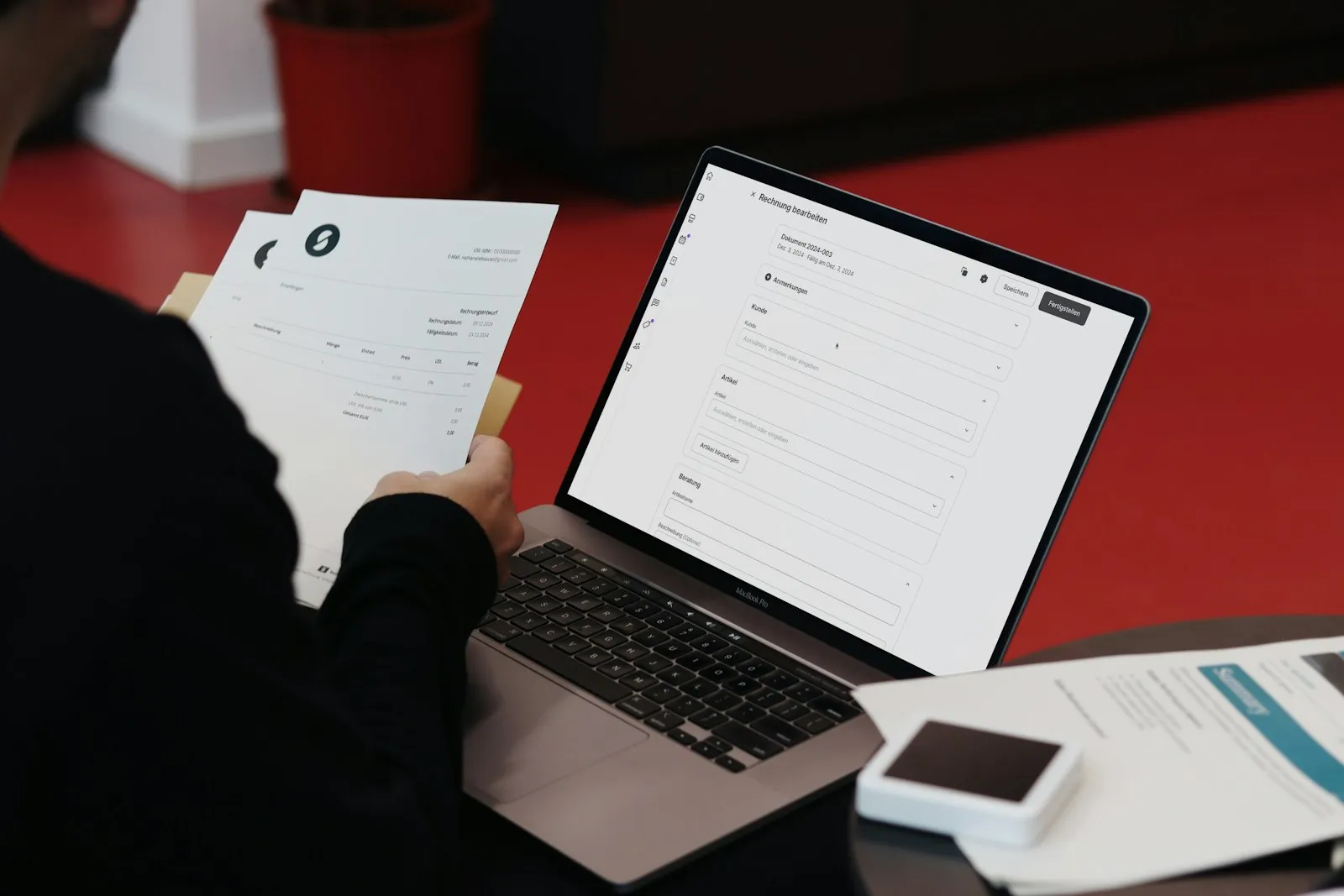
    On issue, Panda ERP generates the XML from the same fields that feed the journal entry: seller, buyer, lines, tax categories, payment terms and bank details.

  3. 3

    The file is validated before it leaves

    The invoice is checked against the schema and the business rules of the standard. Errors are shown with the field and the rule, and are corrected on the invoice.

  4. 4

    Delivery and archive

    The invoice is sent by Peppol or e-mail, or handed to a national platform connection where one is in place. The original XML is archived unchanged together with the approval log.

See how EU E-Invoicing would work in your business

Tell us briefly about your process and we will walk through the screens with your own example.

  • Reply the same business day
  • 15+ years of experience
  • 90 client businesses

EU E-Invoicing features

EU E-Invoicing: EN 16931 core invoice
  • EN 16931 core invoice

    The standard defines a semantic data model for the core elements of an invoice. Panda ERP maps seller, buyer, lines, allowances, tax breakdown and payment data to this model once and reuses the mapping for every format.

  • Two syntaxes: UBL and UN/CEFACT CII

    The standard is implemented in UBL 2.1 and in UN/CEFACT Cross Industry Invoice. Panda ERP generates either one from the same invoice, depending on what the receiver processes.

  • National variants (CIUS)

    EN 16931 allows Core Invoice Usage Specifications and extensions, which countries and networks use to add their own rules. XRechnung and Peppol BIS Billing 3.0 are such specifications; the variant is stored per customer.

EU E-Invoicing: Hybrid invoices
  • Hybrid invoices

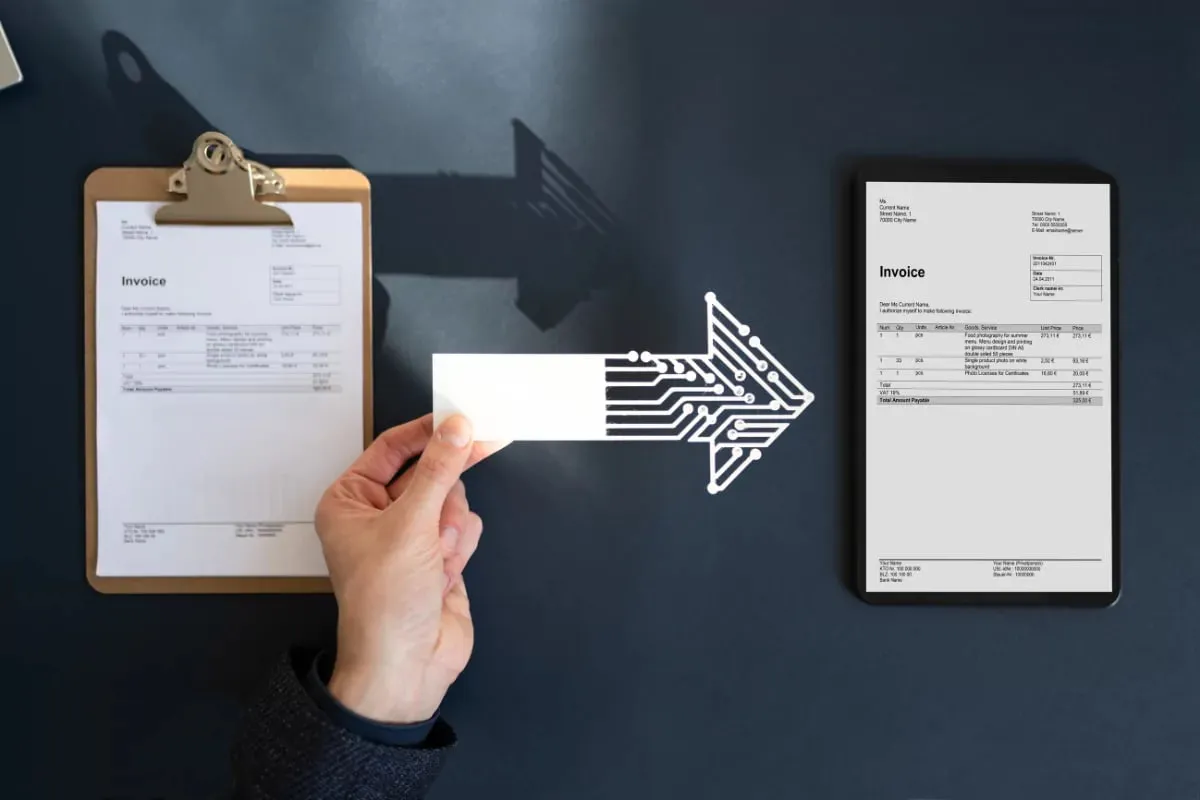
    For receivers who want a readable document, Panda ERP produces a PDF with the EN 16931 XML embedded, in the ZUGFeRD and Factur-X family of formats. The receiver's software reads the XML, people read the PDF.

  • Invoices to public bodies

    Under Directive 2014/55/EU, public contracting authorities in the EU must be able to receive and process e-invoices that comply with the European standard. Buyer references such as the German Leitweg-ID are taken from the customer card.

  • ViDA dates on record

    ViDA was adopted on 11 March 2025 and entered into force on 14 April 2025. Digital reporting requirements for cross-border B2B transactions apply from 1 July 2030, and domestic real-time reporting systems must align with the EU system by 1 January 2035.

  • National mandates

    Since ViDA entered into force, member states may introduce mandatory domestic e-invoicing under specific conditions. Panda ERP has ready connections for Germany and Austria; other member states are scoped per project.

  • Incoming EN 16931 invoices

    Supplier invoices in UBL or CII are read in, rendered as a readable invoice with header, lines and tax summary, and matched against the purchase order and the goods receipt.

What does Panda AI add to EU E-Invoicing?

The Finance and Accounting Agent is the Panda AI agent that takes on due-date tracking, bank-to-ERP matching and draft account reconciliations.

  1. Today Bank transactions are matched to the ERP by hand With the agent Unmatched transactions are listed every morning
  2. Today Due-date lists are kept separately in Excel With the agent A cash flow forecast is ready on current data
  3. Today Account reconciliation e-mails are written one by one With the agent Reconciliation e-mails arrive as drafts; approval is yours

Jobs it takes on

  • Due-date and collections tracking
  • Bank-to-ERP matching check
  • Cash flow and budget variance report
  • Draft account reconciliations
  • Invoice and expense inconsistency alerts
  • Month-end closing checklist

The agent prepares, a person approves. Anything that posts a record or sends something outside the company goes through your approval.

Explore Panda AI agents

Frequently asked questions about EU E-Invoicing

What is EN 16931?

EN 16931 is the European standard for electronic invoicing. It defines the semantic data model of an invoice and is implemented in two syntaxes, UBL and UN/CEFACT CII. It was developed following Directive 2014/55/EU on e-invoicing in public procurement.

What changes on 1 July 2030?

According to the European Commission, the digital reporting requirements of the ViDA package apply to cross-border B2B transactions from 1 July 2030, with reporting based on e-invoices. Member states that run domestic real-time reporting systems must align them with the EU system by 1 January 2035. Status: November 2026.

Is e-invoicing already mandatory in every EU country?

No. As of November 2026 the obligation differs by member state. Italy, Belgium, Poland, France and Germany, for example, each have their own rules, dates and channels. ViDA allows member states to introduce domestic mandates under specific conditions, so the list keeps growing.

Is XRechnung or Peppol BIS a different standard from EN 16931?

No. Both are usage specifications of EN 16931: they keep the core model and add rules, such as mandatory buyer references. An invoice that follows one of them also complies with the European standard. Panda ERP stores the variant per customer.

Which EU countries does Panda ERP connect to directly?

Panda ERP has ready implementations for Germany (XRechnung, ZUGFeRD) and Austria (e-invoices to the federal government). For other member states it supplies EN 16931 UBL or CII and Peppol delivery through a connected access point. Connections to national platforms are scoped per project.

Do we have to wait for 2030 to prepare?

No. The work that takes longest is master data: VAT numbers, addresses, tax categories and electronic addresses of customers. Panda ERP lists the customer cards and items with missing fields, so the cleanup can start with the invoices you issue today. Get in touch through the contact form.

See EU E-Invoicing with your own data

Describe your process in a few sentences and we will show you the modules that fit.

  • 15+ years of enterprise software experience
  • In the cloud or on your own server
  • Processes compliant with KVKK (Turkey's data protection law)

Last reviewed: · Panda Yazılım product team

Sources: European Commission: eInvoicing and the European standard EN 16931 , European Commission: VAT in the Digital Age (ViDA) , Directive 2014/55/EU on electronic invoicing in public procurement (EUR-Lex) , OpenPeppol: Peppol BIS Billing 3.0 specification