
E-Documents

The tax platform rejected the invoice, but the goods already left the warehouse

In a clearance model the tax authority or an approved platform receives the invoice before or as it reaches the buyer. Panda ERP generates the required file from the invoice record, submits it, and stores the clearance result or the rejection reason on the invoice.

Clearance E-Invoicing
In short

Clearance e-invoicing is a model of continuous transaction controls (CTC) in which an invoice is submitted to the tax authority's platform, or to a provider approved by it, at the time of issue. In a post-audit model, companies exchange invoices directly and the authority checks them later. Saudi Arabia, Italy and Poland run platform-based models; Germany currently follows post-audit.

How is this work done today?

  • Rejections are noticed after delivery

    A missing tax number or an incomplete address makes the platform refuse the invoice. The driver has already delivered, and the accountant searches for the customer's data to issue the invoice again.

    1 person × 20 minutes / rejected invoice
  • Invoices are uploaded to the platform by hand

    The invoice exists in the accounting software but is exported and uploaded to the tax portal as a separate step. One branch forgets the upload and misses the reporting deadline.

    1 cashier × 30 minutes / branch / day
  • The platform's answer is not on the invoice

    Clearance numbers, QR data and status messages stay in the portal or in e-mail. During an audit, the team matches portal exports with ledger entries line by line.

    2 people × 1 day / audit

How does Clearance E-Invoicing work?

  1. 1

    The model is set per legal entity

    Each company in Panda ERP is assigned its country system: clearance before delivery, reporting within a deadline, exchange through an accredited provider, or direct exchange with later audit.

  2. 2

    The invoice is validated before submission

    Mandatory fields of the country system, such as tax numbers, addresses and item codes, are checked on the invoice. Missing data is listed before the invoice is sent to the platform.

  3. 3

    Submission and response

    After approval, Panda ERP submits the invoice through the platform's interface or your accredited provider. The response, such as cleared, reported or rejected with a reason, is written to the invoice record.

  4. 4

    Delivery to the buyer and archive

    Where the rules require clearance first, the invoice is released to the buyer only after a positive response. The submitted file, the response and the journal entry are archived together.

See how Clearance E-Invoicing would work in your business

Tell us briefly about your process and we will walk through the screens with your own example.

  • Reply the same business day
  • 15+ years of experience
  • 90 client businesses

Clearance E-Invoicing features

Clearance E-Invoicing: Saudi Arabia: clearance and reporting
  • Saudi Arabia: clearance and reporting

    In ZATCA's integration phase, a standard tax invoice must be cleared by the Fatoora platform before it is shared with the buyer; a simplified tax invoice is reported within 24 hours of issue. Panda ERP has a ready connection for both paths.

  • UAE: decentralised model through accredited providers

    The UAE system exchanges invoices between accredited service providers and reports the tax data to the Federal Tax Authority, with no direct link to the authority. Panda ERP has a ready connection that sends PINT AE data to your provider.

  • Egypt: documents signed and sent by API

    Invoices and receipts are signed with the company's electronic seal and sent to the Egyptian Tax Authority's systems through its APIs. Panda ERP has a ready connection and stores the returned status on the document.

Clearance E-Invoicing: Italy: Sistema di Interscambio (SdI)
  • Italy: Sistema di Interscambio (SdI)

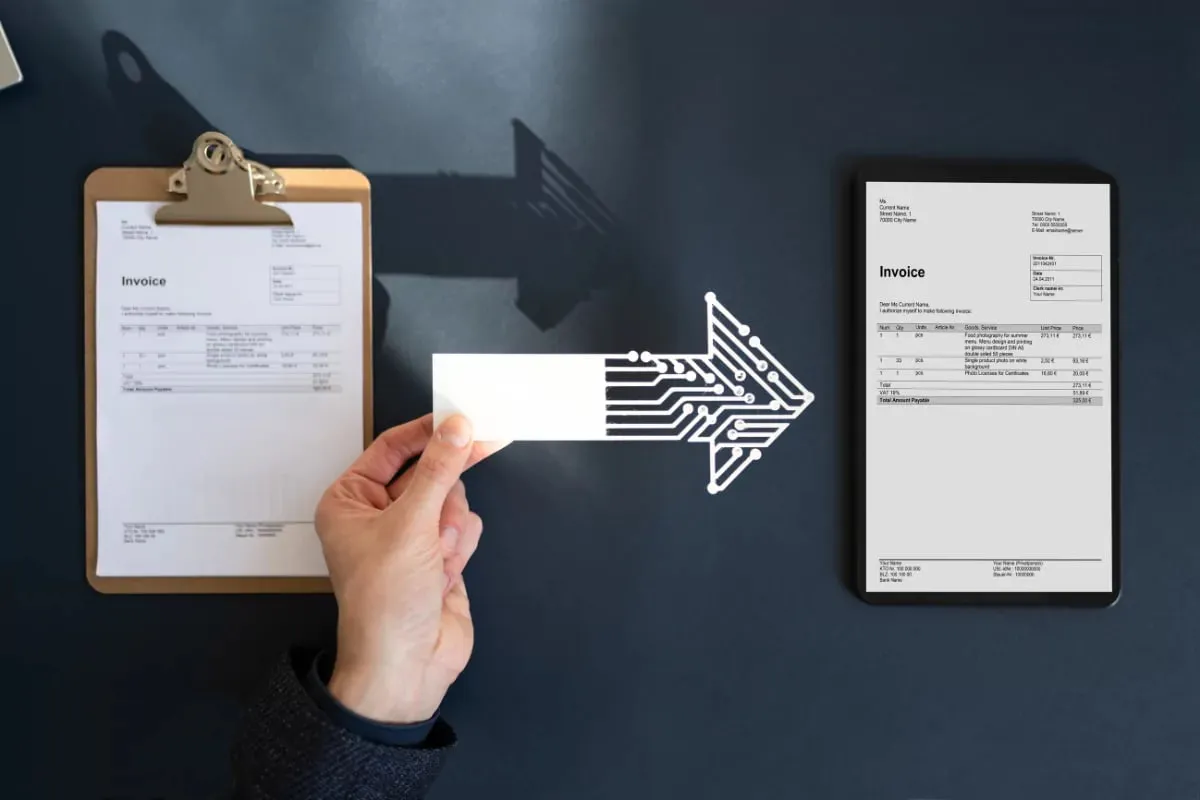
    Italy has required e-invoices for B2B and B2C transactions since 1 January 2019. The Exchange System receives the invoice file, checks it and forwards it to the addressee. An Italian connection is scoped per project.

  • Poland: KSeF

    Issuing invoices in the national system KSeF has been mandatory since 1 February 2026 for companies with 2024 sales above PLN 200 million and since 1 April 2026 for other taxpayers. A Polish connection is scoped per project.

  • France: approved platforms

    Since 1 September 2026 all companies must be able to receive e-invoices through a state-approved platform, and large and mid-sized companies must issue them; small and micro-enterprises follow on 1 September 2027. A French connection is scoped per project.

  • Post-audit countries

    Where no platform sits between seller and buyer, as in Germany as of November 2026, Panda ERP sends the structured invoice directly by e-mail or Peppol and archives the original file for a later audit.

  • Status list across entities

    One screen shows cleared, reported, pending and rejected invoices per company and branch, with the rejection text as returned by the platform and the time left before a reporting deadline.

What does Panda AI add to Clearance E-Invoicing?

The Finance and Accounting Agent is the Panda AI agent that takes on due-date tracking, bank-to-ERP matching and draft account reconciliations.

  1. Today Bank transactions are matched to the ERP by hand With the agent Unmatched transactions are listed every morning
  2. Today Due-date lists are kept separately in Excel With the agent A cash flow forecast is ready on current data
  3. Today Account reconciliation e-mails are written one by one With the agent Reconciliation e-mails arrive as drafts; approval is yours

Jobs it takes on

  • Due-date and collections tracking
  • Bank-to-ERP matching check
  • Cash flow and budget variance report
  • Draft account reconciliations
  • Invoice and expense inconsistency alerts
  • Month-end closing checklist

The agent prepares, a person approves. Anything that posts a record or sends something outside the company goes through your approval.

Explore Panda AI agents

Frequently asked questions about Clearance E-Invoicing

What does clearance mean in e-invoicing?

Clearance means the invoice is submitted to the tax authority's platform and validated there at the time of issue, before or while it reaches the buyer. In Saudi Arabia, for example, the Fatoora platform must clear a standard tax invoice before the seller shares it with the buyer.

What is the difference between clearance and post-audit?

In a post-audit model, seller and buyer exchange the invoice directly and keep it for a possible audit later. In a clearance or other CTC model, the authority or an approved provider receives the invoice data at the time of the transaction. The second model needs a technical connection, not only an archive.

Are all CTC models the same?

No. Some countries run a central platform that every invoice passes through, as Italy and Poland do. Others rely on accredited or approved providers that exchange invoices and report data to the authority, as the UAE and France do. Formats, deadlines and scope differ in each country.

For which clearance systems does Panda ERP have a ready connection?

For Saudi Arabia, the United Arab Emirates and Egypt. Panda ERP creates the document in the required format, sends it and stores the response on the record. For other platform-based countries, such as Italy, Poland or France, the connection is scoped and built per project.

What happens when the platform rejects an invoice?

The rejection reason is saved on the invoice and the invoice appears in the list of open cases. The user corrects the tax number, code or address on the record and submits again from the same screen. The rejected attempt remains in the audit log.

Does the company still need its own registration with the authority?

Yes. Registering on the platform, obtaining certificates or seals and appointing an accredited provider are steps the taxpayer takes under its own account. We guide you through them during setup and connect Panda ERP once the credentials exist.