
Inventory and warehouse

What is lot and batch tracking?

Lot or batch tracking is following products that come from the same production or purchase batch under one number.

A workplace related to Lot and batch tracking
In short

It records which batch came from which supplier on which date, which customer it went to and its expiry date. It is needed to recall a batch that turns out faulty. It is often used in sectors that require traceability, such as food, pharmaceuticals and chemicals; the expiry date is also kept in the lot record.

What you need to know about Lot and batch tracking

Lot and batch tracking: How does lot tracking work?

How does lot tracking work?

At goods receipt, a lot number, production date and, where needed, an expiry date are entered for each incoming batch. The stock balance is kept by lot as well as by product. When material is issued in sales and production, it is decided which lot to deduct from: by manual selection or by a rule such as FIFO. The raw material lots used in production are linked to the finished-product lot. So if a lot causes a problem, the products it affected can be traced.

Lot and batch tracking: Who uses it?

Who uses it?

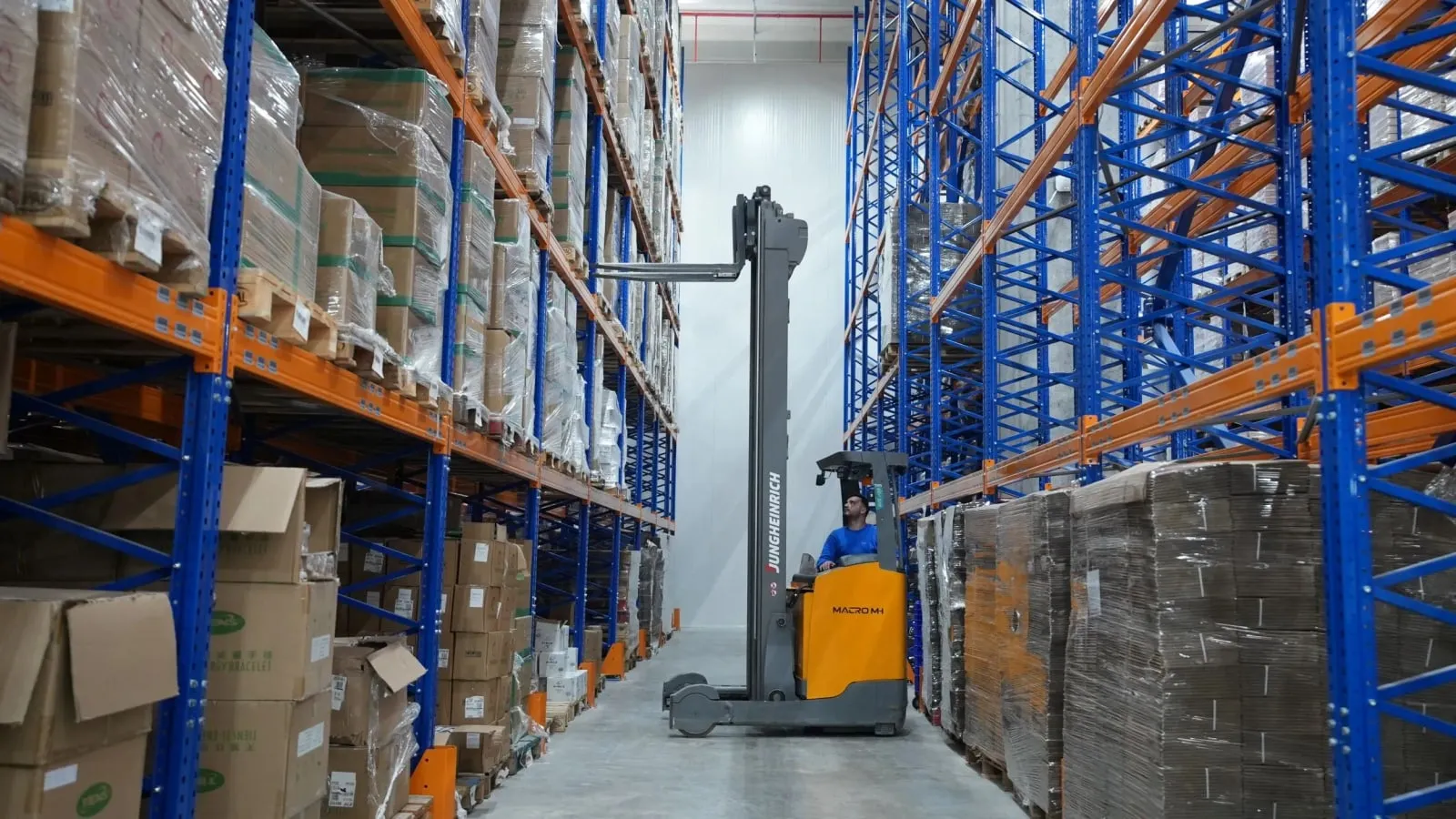
Sectors with a traceability obligation, such as food, pharmaceuticals, chemicals, cosmetics and automotive, often use lot tracking. The quality unit looks at the lot record in recalls and complaint analysis. The warehouse manages issue order by expiry date. Purchasing evaluates supplier lot quality. Sales can prove which lot went to the customer. When a recall is needed, the lot record shows within minutes how much product went to which customer; with paper records this can take days.

Lot and batch tracking: What to watch out for

What to watch out for

If lot information is not entered at goods receipt, it is hard to correct later. Use barcodes or OCR so that the lot number on the label is entered into the system correctly. Set a recording rule for mixed pallets and split lots. Stock status should be tracked separately so that expired or quarantined lots do not go out for sale. If your sector has specific traceability requirements, check regulations and customer terms. A simple rule such as not accepting products without a lot number into the warehouse helps keep the traceability record complete.

See how Lot and batch tracking would work in your business

Tell us briefly about your process and we will walk through the screens with your own example.

  • Reply the same business day
  • 15+ years of experience
  • 90 client businesses

What does Panda AI do here?

Panda AI reads the lot and expiry date on a supplier waybill and label photo and prepares them for the goods receipt record. The warehouse manager approves the record.

Frequently asked questions about Lot and batch tracking

What is the difference between a lot and a serial number?

A lot is a number shared by a group of products. A serial number is unique to each individual product. A lot gives batch-level traceability and a serial number gives item-by-item traceability.

Is lot tracking necessary for every business?

No. It matters in sectors that require traceability, such as food, pharmaceuticals and chemicals. In other businesses, product-level stock tracking can be enough.

See Lot and batch tracking with your own data

Describe your process in a few sentences and we will show you the modules that fit.

  • 15+ years of enterprise software experience
  • In the cloud or on your own server
  • Processes compliant with KVKK (Turkey's data protection law)