

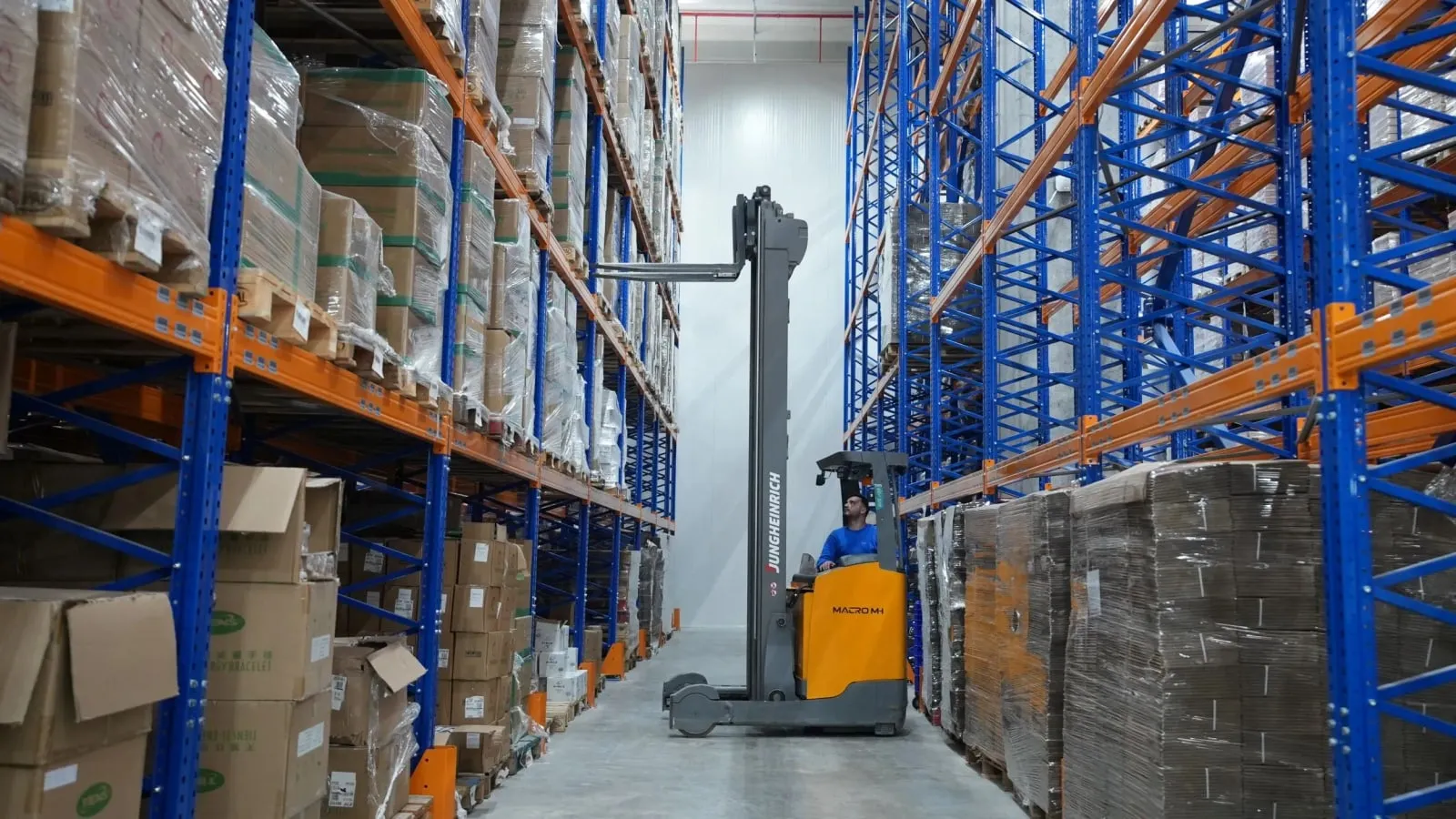
Inventory and warehouse

What is minimum stock?

Minimum stock is the lowest quantity of a product that should be on hand; the reorder point is the quantity at which ordering should begin.

A workplace related to Minimum stock and reorder point
In short

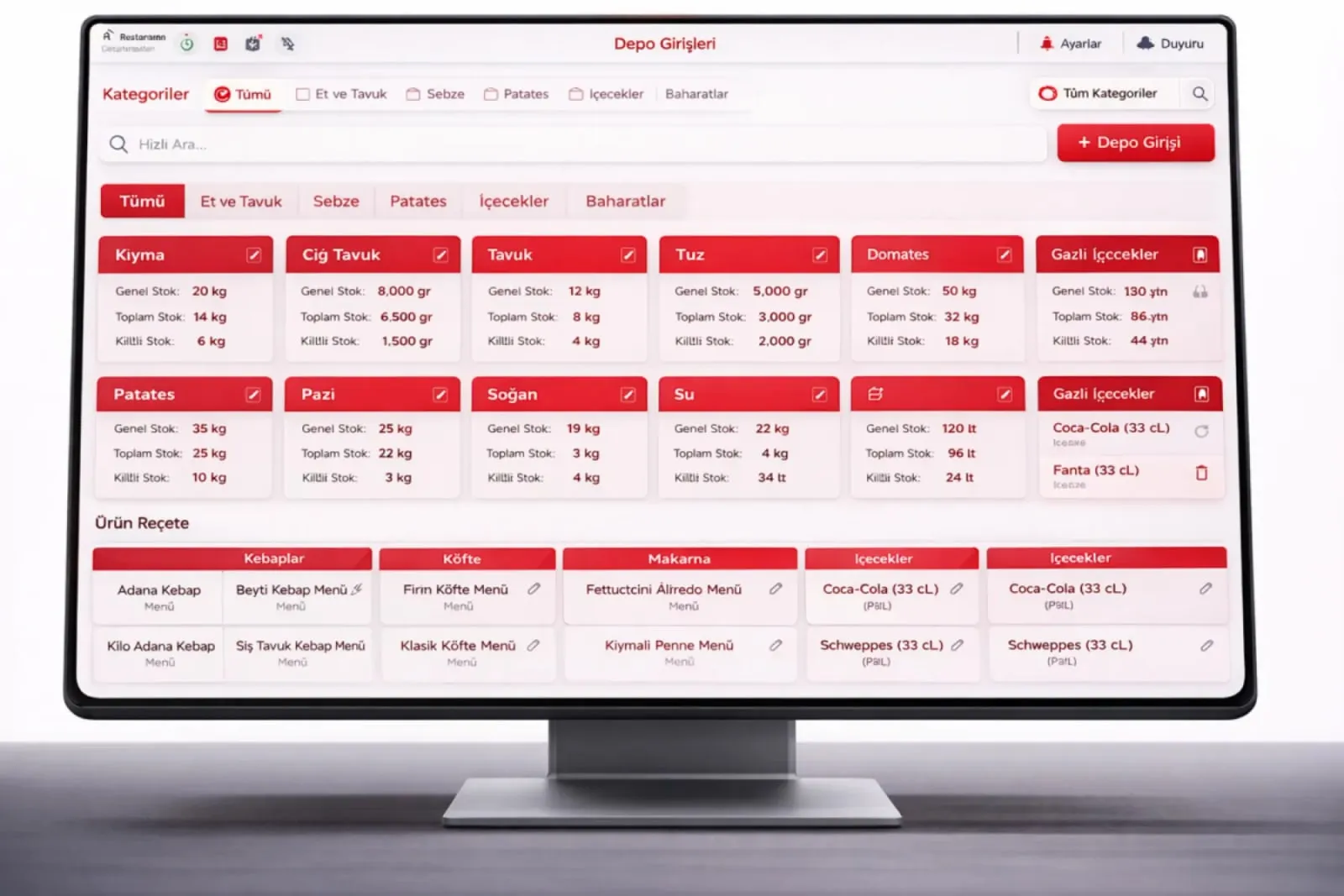
When stock falls to this level, ERP gives a warning or suggests a purchase request. The aim is to prevent running out during the lead time. Levels are defined on the product card and updated as demand and lead time change; the warning turns into a purchase request.

What you need to know about Minimum stock and reorder point

Minimum stock and reorder point: How are the levels set?

How are the levels set?

The reorder point is usually the average consumption during the lead time plus safety stock. For example, the quantity sold during the lead time, plus an allowance for possible delay and demand fluctuation. Minimum stock is kept close to this safety level. Maximum stock is set according to warehouse capacity and the cash limit. Levels are defined on the product card and updated as demand changes. Levels differ by product class: fast-moving products can carry a high safety stock and rarely moving ones a low one.

Minimum stock and reorder point: Who uses it?

Who uses it?

Purchasing prepares order suggestions based on these levels. The warehouse manager monitors the stock status of critical products. The sales team informs customers in advance about products at risk of running out. Finance checks the cash tied up in excess stock with these levels. In production, the same logic is used for raw materials together with MRP. Before placing an order, purchasing sees the stock level and orders on the way together; a duplicate order for the same product is thus prevented.

Minimum stock and reorder point: What to watch out for

What to watch out for

The most common mistake is entering the levels once and forgetting them. Update them when seasonality, campaigns and supplier lead times change. The same rule is not applied to every product; separate fast-moving products from rarely moving ones. Too high a safety stock ties up cash, and too low a one loses customers. Appoint a clear owner who turns the system's warning into an order. Reviewing the levels periodically during the year prevents stockouts or excess stock when demand changes.

See how Minimum stock and reorder point would work in your business

Tell us briefly about your process and we will walk through the screens with your own example.

  • Reply the same business day
  • 15+ years of experience
  • 90 client businesses

What does Panda AI do here?

Panda AI lists products that fall below the minimum level together with supplier, past price and consumption, and prepares a draft purchase request. Purchasing approves the order.

Frequently asked questions about Minimum stock and reorder point

What is safety stock?

Safety stock is extra stock held against a demand increase or supply delay. It prevents stockouts but ties up cash, so it is balanced by product.

How is the reorder point calculated?

Safety stock is added to the consumption expected during the lead time. When stock falls to this quantity, an order is placed. Consumption and lead time must be current.

See Minimum stock and reorder point with your own data

Describe your process in a few sentences and we will show you the modules that fit.

  • 15+ years of enterprise software experience
  • In the cloud or on your own server
  • Processes compliant with KVKK (Turkey's data protection law)