
Inventory and warehouse

What is barcode inventory tracking?

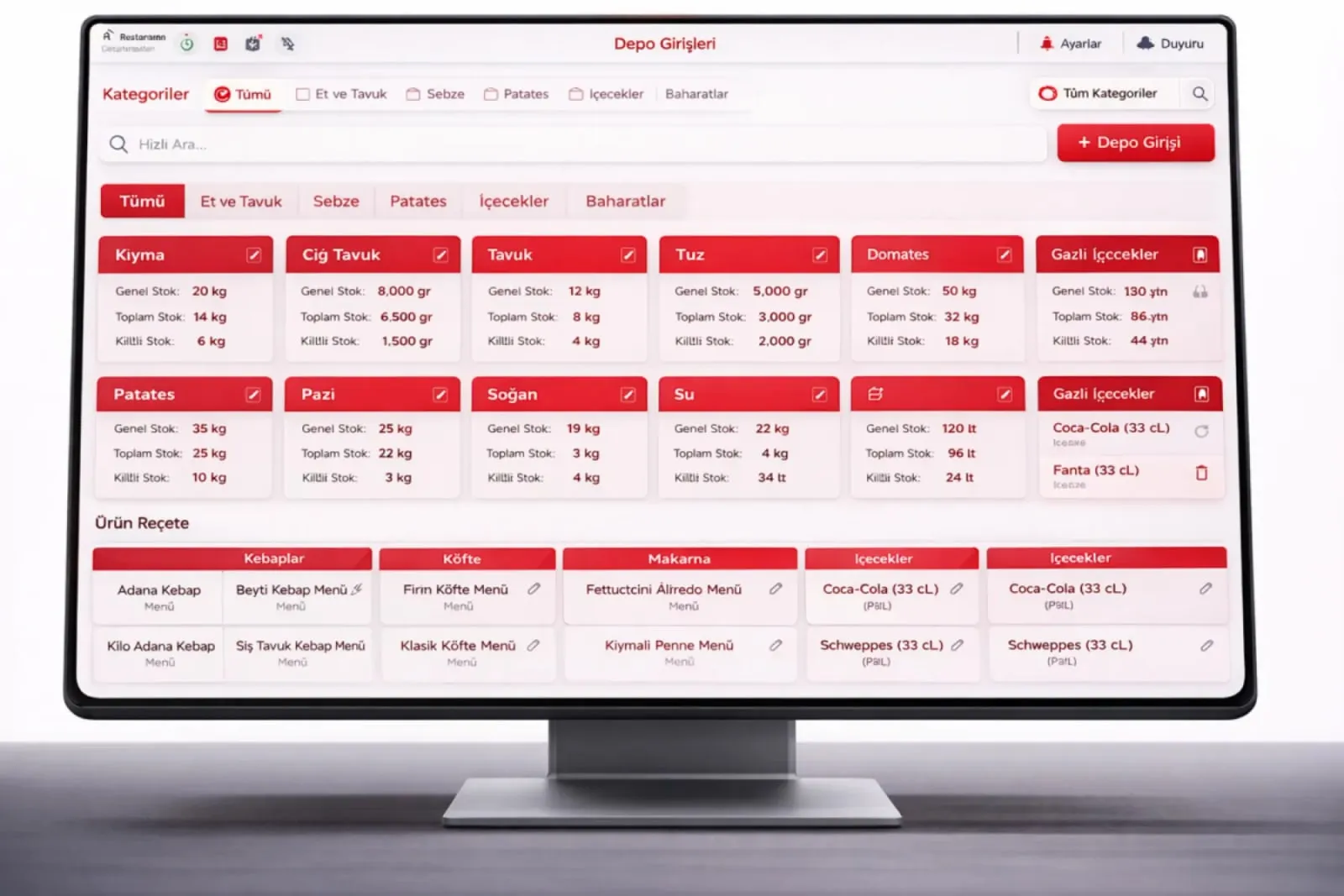
Barcode inventory tracking is a method in which warehouse movements are recorded in ERP by scanning the barcode on the product or shelf.

A workplace related to Barcode inventory tracking
In short

Codes are scanned during goods receipt, putaway, picking, shipping and counting; the need to type by hand shrinks. This keeps the stock record closer to the real situation on the shelf. Every scanned movement is posted to ERP instantly; if a wrong product is chosen during counting or shipping, the system warns.

What you need to know about Barcode inventory tracking

Barcode inventory tracking: How does barcode tracking work?

How does barcode tracking work?

A barcode is defined on each product card; shelves and locations can be coded too. The warehouse worker scans the product at goods receipt with a handheld terminal or phone, and ERP compares the quantity with the order or waybill. At putaway the shelf barcode is scanned. In order picking the system shows which product to take from which shelf and warns if the scanned product is wrong. Shipping and counting are done the same way. Because the barcode scanned at goods receipt is compared with the order and waybill, a missing or surplus item is noticed right at warehouse entry.


Barcode inventory tracking: Who uses it?

Who uses it?

Warehouse workers scan barcodes in daily goods receipt, picking and shipping. The warehouse manager manages counts and shelf layout. The sales team sees stock status live and makes more reliable promises to customers. Accounting tracks stock value with current movements. Businesses with several warehouses track transfers between warehouses with barcodes. Because movements are posted as they are scanned, the stock record stays close to reality and typing errors decrease. The warehouse manager follows shelf occupancy and stock movements on screen; no separate list needs to be printed for counting.

Barcode inventory tracking: What to watch out for

What to watch out for

The precondition for a barcode system is clean product card data: the same product should not have two codes, and unit conversions must be right. The legibility and quality of printed barcode labels matter. For products from suppliers, decide at the outset whether you will use your own barcode or the manufacturer's. Plan for handheld terminals, Wi-Fi coverage and spare devices. Training should be short but repeated. If battery, Wi-Fi and spare device plans are not made for barcode readers, the warehouse has to go back to paper when a fault occurs.

See how Barcode inventory tracking would work in your business

Tell us briefly about your process and we will walk through the screens with your own example.

  • Reply the same business day
  • 15+ years of experience
  • 90 client businesses

Frequently asked questions about Barcode inventory tracking

Is special equipment needed for barcode tracking?

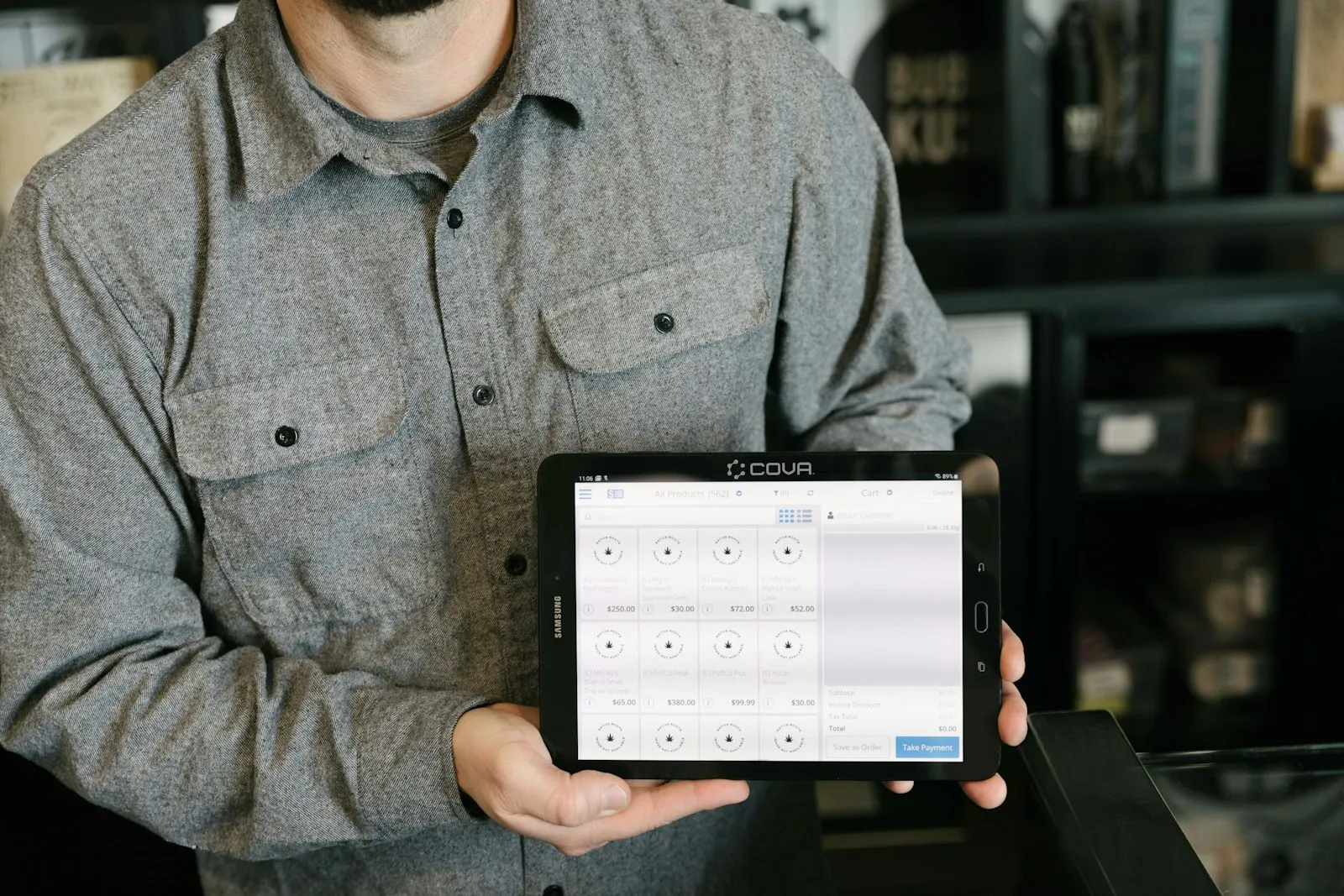
It is not mandatory. Handheld terminals are common, but a phone or tablet with a camera can also read barcodes. The choice of device depends on warehouse intensity and conditions.

What is the difference between a barcode and a QR code?

A barcode carries a short code in one-dimensional lines. A QR code is two-dimensional and can hold more information. Both are used in warehouse applications; reader compatibility is decisive.

See Barcode inventory tracking with your own data

Describe your process in a few sentences and we will show you the modules that fit.

  • 15+ years of enterprise software experience
  • In the cloud or on your own server
  • Processes compliant with KVKK (Turkey's data protection law)