


Inventory and warehouse

What is FIFO?

FIFO (first in, first out) is a stock management and costing method in which the product that entered stock first is assumed to leave first.

A workplace related to FIFO
In short

In the warehouse it keeps older products at the front and reduces the risk of spoilage and obsolescence. In cost calculation, the oldest purchase price is applied to the product that leaves. In cost calculation the oldest purchase price is applied to the product that leaves. For products with a shelf life, FEFO is preferred.

What you need to know about FIFO

FIFO: How is FIFO applied?

How is FIFO applied?

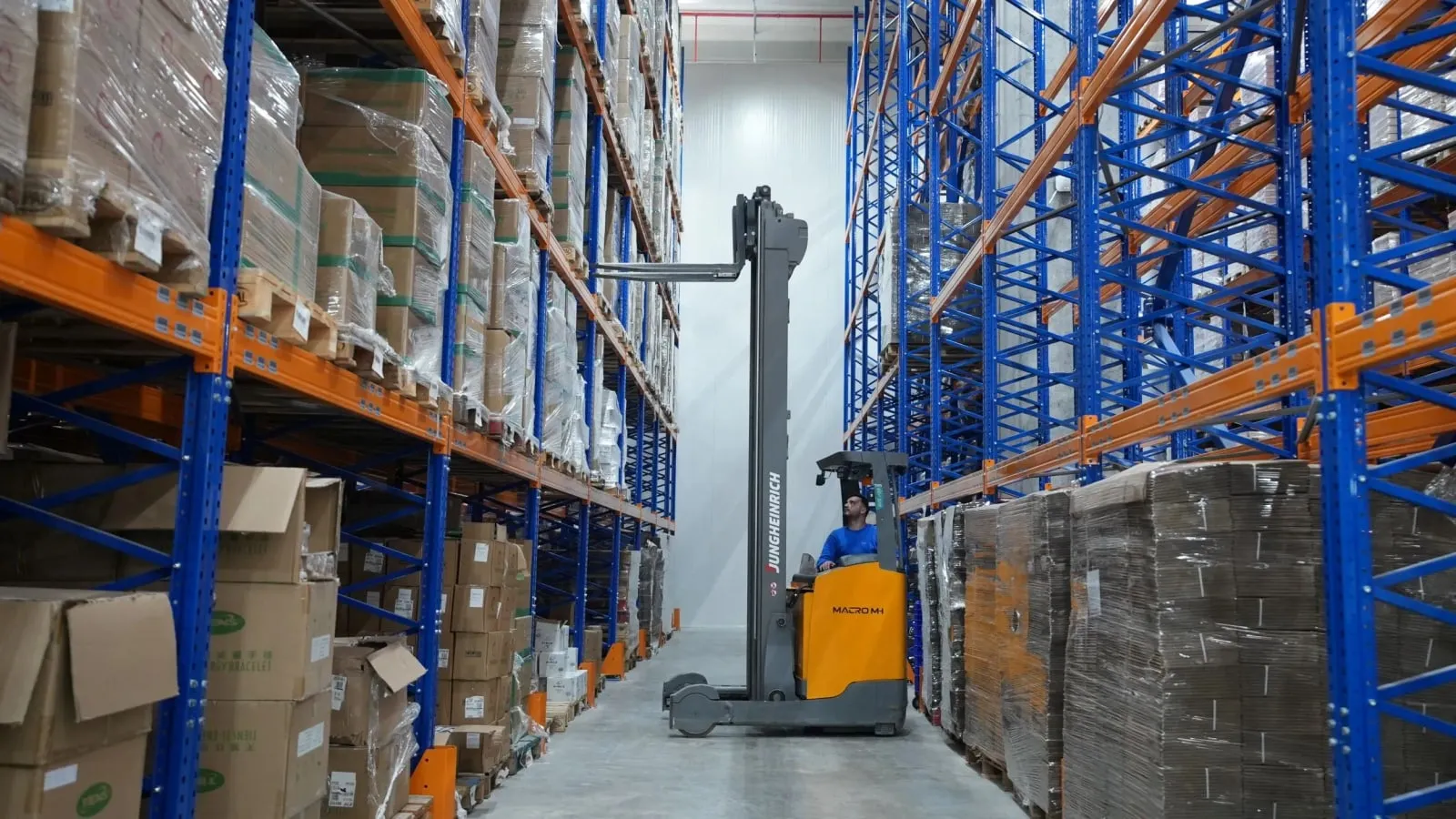
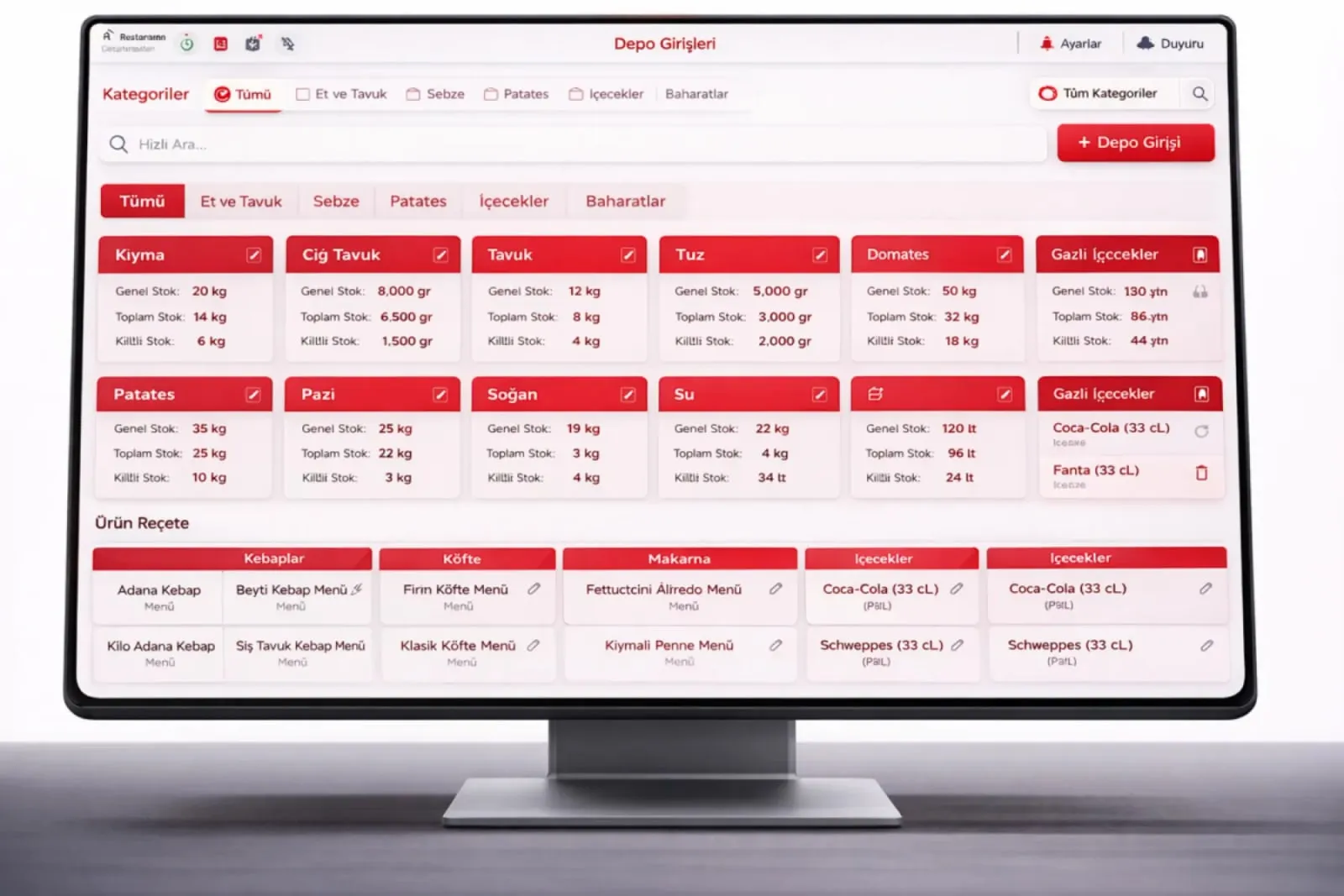
In physical practice, new arrivals go to the back of the shelf and older products to the front. In a barcode system, the picking order is suggested automatically by goods receipt date. On the cost side, ERP records each incoming batch with its price. When an issue is made, it is taken first from the oldest batch and the cost is calculated at that batch's unit price. In an inflationary environment, FIFO shows stock value closer to current prices. In a barcode warehouse the system suggests picking order by goods receipt date, so the warehouse worker does not need to search for the older product.
FIFO: FIFO and other methods

FIFO and other methods

In the weighted average method the unit cost is recalculated at each receipt and issues are valued at the average cost. FEFO issues the product with the nearest expiry date first; it is preferred in food and pharmaceuticals. LIFO is last in, first out; the methods accepted for tax purposes depend on the country and on regulation, so consult your certified accountant. Which method is used is generally set by product group. The method used should stay consistent in financial statements and reports; if the method changes, the reason and effect are recorded.

FIFO: What to watch out for

What to watch out for

Changing the chosen costing method during the year breaks comparability and is subject to rules in regulation. Physical FIFO and cost FIFO are different concepts; applying one does not automatically ensure the other. If batch and lot records are not correct, the system deducts from the wrong batch. If the same product has receipts at different prices, the report and valuation method must be consistent. The choice of method depends on the sector, product characteristics and regulatory requirements; a different method can be used by product group. Consult your certified accountant for details.

See how FIFO would work in your business

Tell us briefly about your process and we will walk through the screens with your own example.

  • Reply the same business day
  • 15+ years of experience
  • 90 client businesses

Frequently asked questions about FIFO

What is the difference between FIFO and FEFO?

FIFO issues by order of receipt, FEFO by expiry date. FEFO is preferred for products with a shelf life.

How does FIFO affect stock value?

Products remaining in stock are valued at the latest purchase price. If prices are rising, FIFO gives a higher stock value and a lower cost of goods sold.

See FIFO with your own data

Describe your process in a few sentences and we will show you the modules that fit.

  • 15+ years of enterprise software experience
  • In the cloud or on your own server
  • Processes compliant with KVKK (Turkey's data protection law)