
Production and planning

What is a quality control plan?

A quality control plan is the document that defines, for a product's production process, at which stage, what, how, with which measuring instrument and how often is inspected.

A workplace related to Quality control plan
In short

It covers incoming, in-process and final inspections. The action to take when a nonconforming product appears is also written in the plan. Measurement results are recorded, so they serve as evidence in customer audits and complaint analysis.

What you need to know about Quality control plan

Quality control plan: How is a quality control plan prepared?

How is a quality control plan prepared?

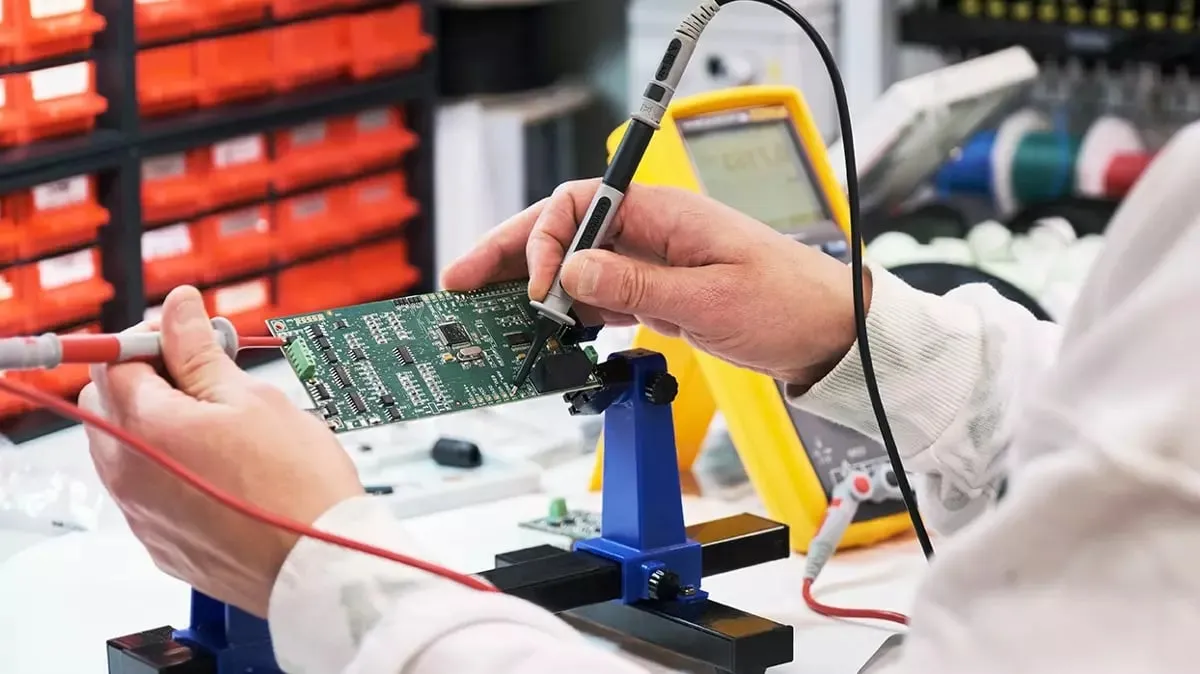
A plan starts by identifying the characteristics that are critical for the product and process: dimension, weight, appearance, performance. For each characteristic, the inspection point (incoming, in-process, final), measurement method, acceptance limit and sampling frequency are written. The form or ERP screen where inspection results will be recorded is defined. The plan also states the decision on sorting, rework or scrap when a nonconforming product appears, and the person responsible. The plan is updated when the product and process change. The plan also determines who performs which inspection, so responsibility is clear and no inspection is skipped.


Quality control plan: Who uses it?

Who uses it?

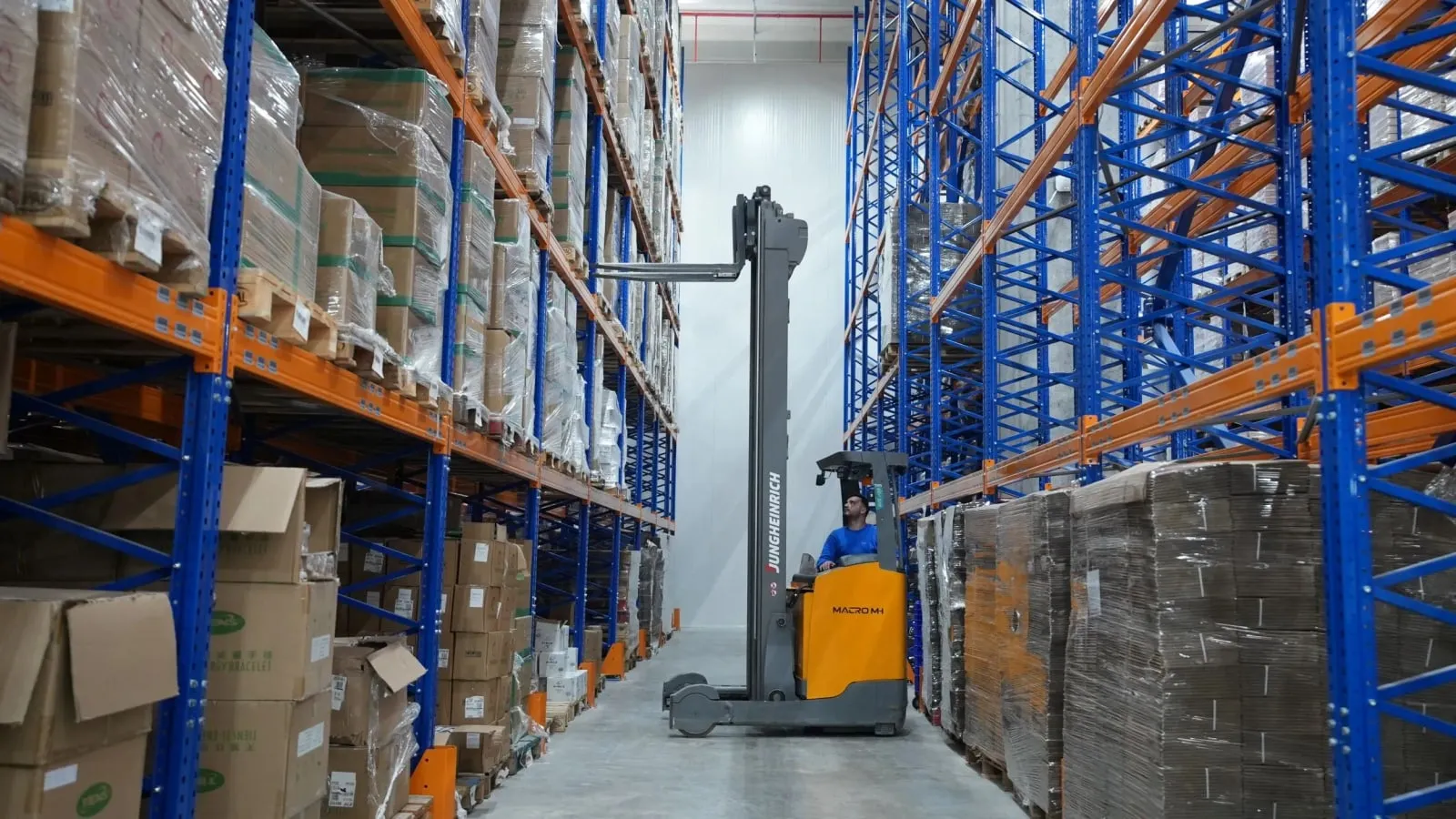
The quality unit prepares the plan and follows the results. The operator carries out in-process measurements. The warehouse decides to accept or quarantine incoming material based on the incoming inspection. The production manager monitors nonconformity rates. Purchasing evaluates supplier performance with incoming inspection results. In customer audits the quality control plan and its records are presented. The quality unit also uses the plan in internal audits and certification processes; keeping consistent records saves time in audits.

Quality control plan: What to watch out for

What to watch out for

Too many strict inspections slow production; a plan that is too loose misses defects. Concentrate on the critical characteristics. Track the calibration of measuring instruments. If inspection results stay on paper, reporting is hard; enter them into ERP or the quality module. Close nonconformity records with root cause analysis and track recurring ones. Sector-specific standards and customer requirements must be reflected in the plan. Review the plan once a year and at every major product or process change; old inspection points can create unnecessary work.

See how Quality control plan would work in your business

Tell us briefly about your process and we will walk through the screens with your own example.

  • Reply the same business day
  • 15+ years of experience
  • 90 client businesses

What does Panda AI do here?

Panda AI reads measurement forms and laboratory reports, prepares them for posting to quality records and flags out-of-limit values. The quality manager decides on conformity.

Frequently asked questions about Quality control plan

What is the difference between incoming inspection and in-process inspection?

Incoming inspection is done when raw material and supplies are received. In-process inspection checks the characteristics of the intermediate product during production. They catch defects at different stages.

What is done with a nonconforming product?

It is quarantined, the cause is recorded and, according to the plan, a decision is made on sorting, rework, discounted sale or scrap. The decision is kept on record.

See Quality control plan with your own data

Describe your process in a few sentences and we will show you the modules that fit.

  • 15+ years of enterprise software experience
  • In the cloud or on your own server
  • Processes compliant with KVKK (Turkey's data protection law)