
Production and planning

What is MES?

MES (Manufacturing Execution System) is the software layer in which production on the shop floor is monitored and recorded in real time.

A workplace related to MES
In short

It collects in real time which work order is being made on which machine, by which operator, in how long, along with downtime and scrap. ERP does the planning, and MES carries what actually happened on the shop floor to ERP. The operator starts the work order from the terminal and enters quantity and downtime; ERP compares the plan with the actual data.

What you need to know about MES

MES: How does MES work?

How does MES work?

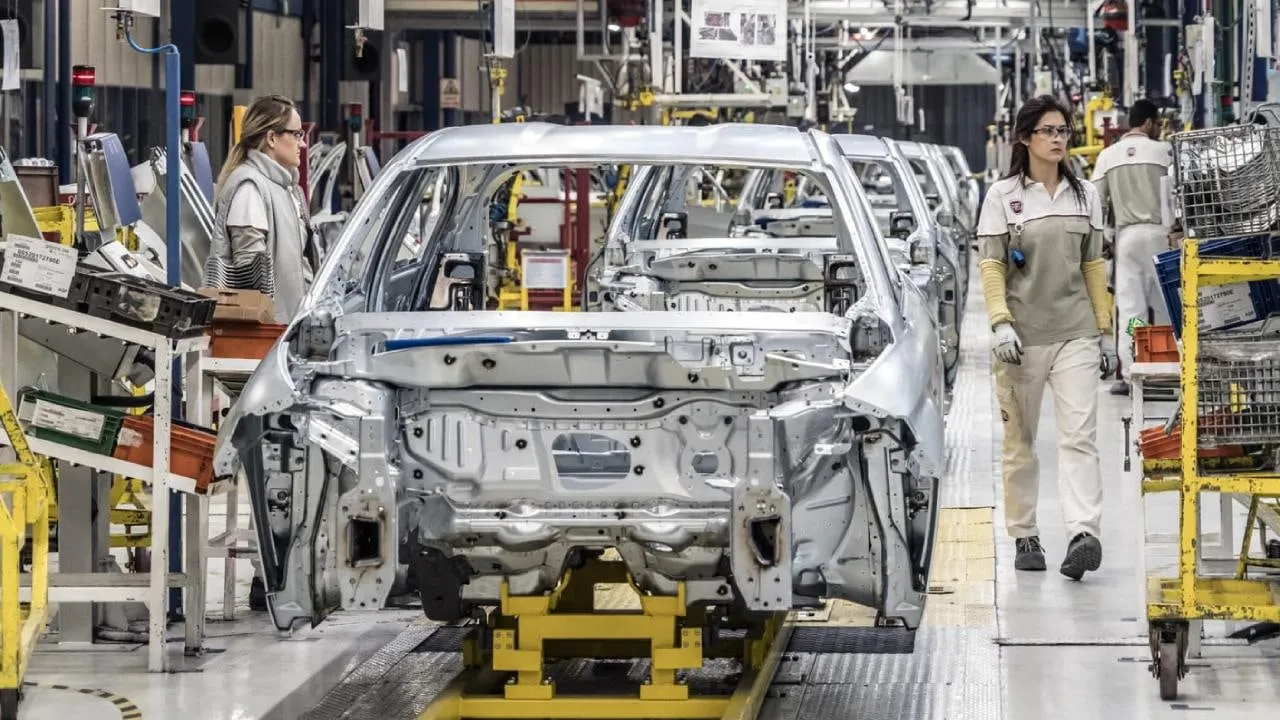
At the machine, the operator starts the work order on a terminal or tablet and enters the quantity produced, scrap and downtime reason. If machine sensors exist, counter and status information arrive automatically. MES shows this data on live screens and writes it back to the work order in ERP. Plan and actual are compared; if there is a delay or deviation, the shift supervisor is alerted. As a result ERP works with real production data. Because the difference between plan and actual is seen immediately, the shift supervisor can intervene in a delay without waiting for the end of the day.

MES: The relationship between ERP and MES

The relationship between ERP and MES

ERP is the company's planning and record layer: orders, materials, cost, accounting. MES is the field layer: machine, operator, shift, live status. ERP sends the work order to MES; MES sends the actual production, time and scrap back to ERP. In some ERP systems MES functions come as a module, in others separate software is connected. The need depends on how deep the data collection on the shop floor goes. The data flow between ERP and MES is two-way: the work order goes down, the actual quantity and time come up; when this flow is set up correctly, planning becomes realistic.

MES: What to watch out for

What to watch out for

In an MES rollout the hardest part is not technology but shop floor habit. The operator's data entry must be easy and fast; otherwise records are late. For machine connection, older machines may need sensors or counters. In small businesses a tablet and a barcoded work order are often enough as a first step. Data security and network infrastructure should be planned from the start. Screens that are easy for shop floor operators to use are the most important condition for adoption; take records with a few key presses instead of a detailed form.

See how MES would work in your business

Tell us briefly about your process and we will walk through the screens with your own example.

  • Reply the same business day
  • 15+ years of experience
  • 90 client businesses

What does Panda AI do here?

In shops without MES records, Panda AI reads the shift form or Excel file and posts it to the work order. The shift supervisor approves any record differences.

Frequently asked questions about MES

Is ERP enough without MES?

It can be enough for planning and cost. But if live actual data from the shop floor is needed, adding a terminal, tablet or MES layer is useful.

Are MES and SCADA the same thing?

No. SCADA supervises machines and lines and monitors sensor data. MES manages the work order, operator and production record. They are different layers that feed each other.

See MES with your own data

Describe your process in a few sentences and we will show you the modules that fit.

  • 15+ years of enterprise software experience
  • In the cloud or on your own server
  • Processes compliant with KVKK (Turkey's data protection law)