


e-Documents and regulation

What is an e-invoicing provider?

An e-invoicing provider is a service company that produces, transmits and stores a business's e-invoices, electronic delivery notes and similar documents.

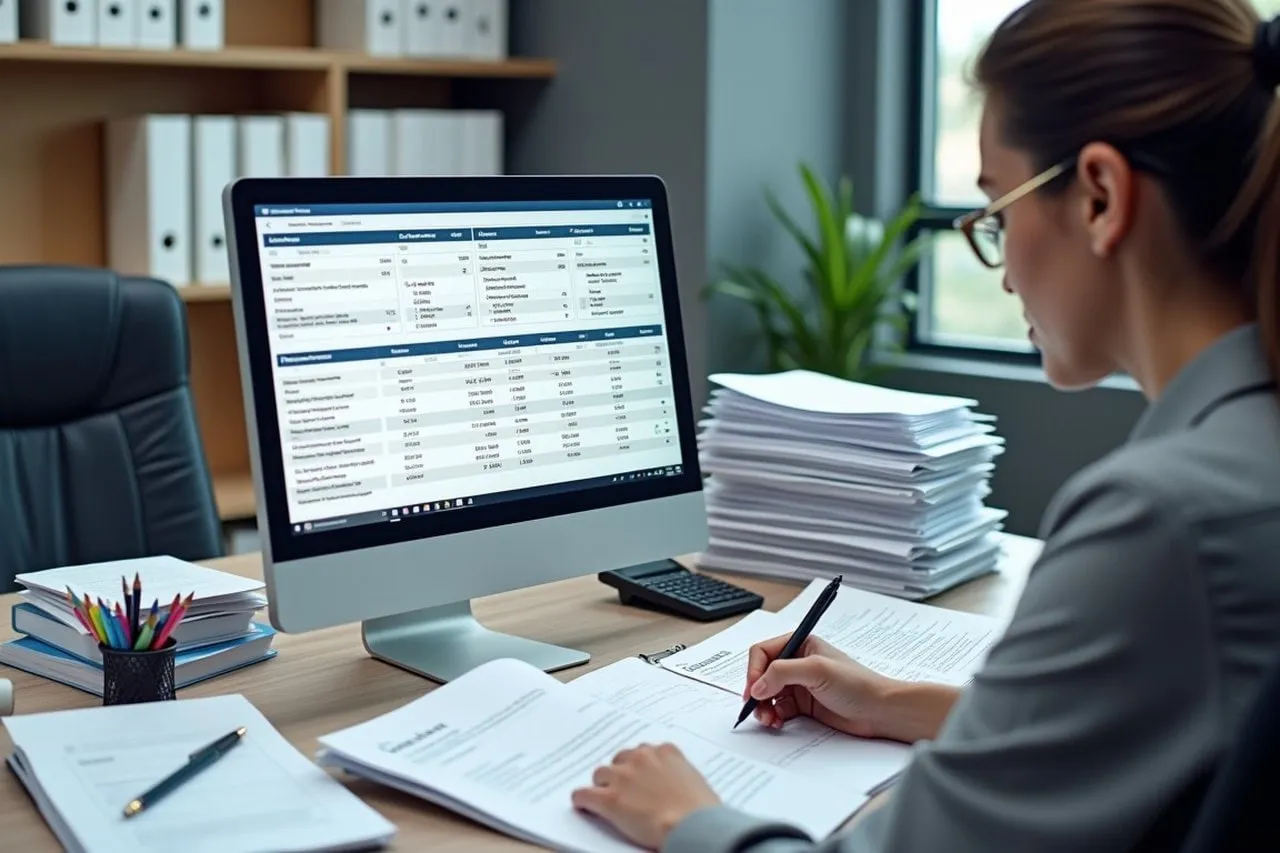
A workplace related to E-invoicing provider
In short

In some countries providers must be accredited or licensed by the tax authority; in others they are Peppol access points. The business connects its ERP to the provider; document sending and receiving go through the provider. Documents go out from ERP with one click and incoming documents land in the system automatically. Service scope and fees vary by provider.

What you need to know about E-invoicing provider

E-invoicing provider: How does an e-invoicing provider work?

How does an e-invoicing provider work?

ERP sends the invoice to the provider's service through an API or file transfer. The provider brings the document into line with the required format, signs it and transmits it to the buyer, the network or the tax platform. Incoming documents also land in the provider's system and are transferred to ERP. The document archive is mostly stored by the provider for the period required by local rules. The scope of the service, its pricing and the connection method with ERP differ by provider. The method for moving incoming documents from the provider's panel into ERP (API, file) and how long documents will be stored are clarified in the contract.

E-invoicing provider: Why is it used?

Why is it used?

Using a provider is common in businesses with high document volumes that want an automatic connection with ERP. The invoice goes from ERP with one click and incoming invoices land in the system automatically. A user interface, bulk sending, archiving and support can also be part of the package. A free government portal, where one exists, requires manual entry and usually does not connect to ERP. At large document volumes, features such as bulk sending, error notification and recipient lookup save time; ask about them if your usage is heavy.

E-invoicing provider: What to watch out for

What to watch out for

When choosing a provider, compare ERP connection support, supported document types, fee model, retention period and quality of support. Ask in advance whether the archive can be moved if you need to change provider. Manage authorized users and access credentials securely. Where accreditation is required, verify the provider's status in the list the authority publishes. Review the contract details with your accountant. If the provider's service is interrupted, document sending stalls; learn the provider's availability commitment and support channel in advance.

See how E-invoicing provider would work in your business

Tell us briefly about your process and we will walk through the screens with your own example.

  • Reply the same business day
  • 15+ years of experience
  • 90 client businesses

What does Panda AI do here?

Panda AI reads documents arriving from the provider's panel and prepares their entry into ERP. Accepting or rejecting a document is a human decision.

Frequently asked questions about E-invoicing provider

Can e-invoices be issued without a provider?

In some countries, yes: invoices can be issued manually on a free tax authority portal. But for an automatic connection with ERP and for high volumes, most businesses use a provider.

Can the provider be changed?

Yes. A business can change its provider. Steps such as moving the archive, setting up the new connection and notifying recipients should be planned for the switch.

See E-invoicing provider with your own data

Describe your process in a few sentences and we will show you the modules that fit.

  • 15+ years of enterprise software experience
  • In the cloud or on your own server
  • Processes compliant with KVKK (Turkey's data protection law)