

e-Documents and regulation

What is an e-invoice?

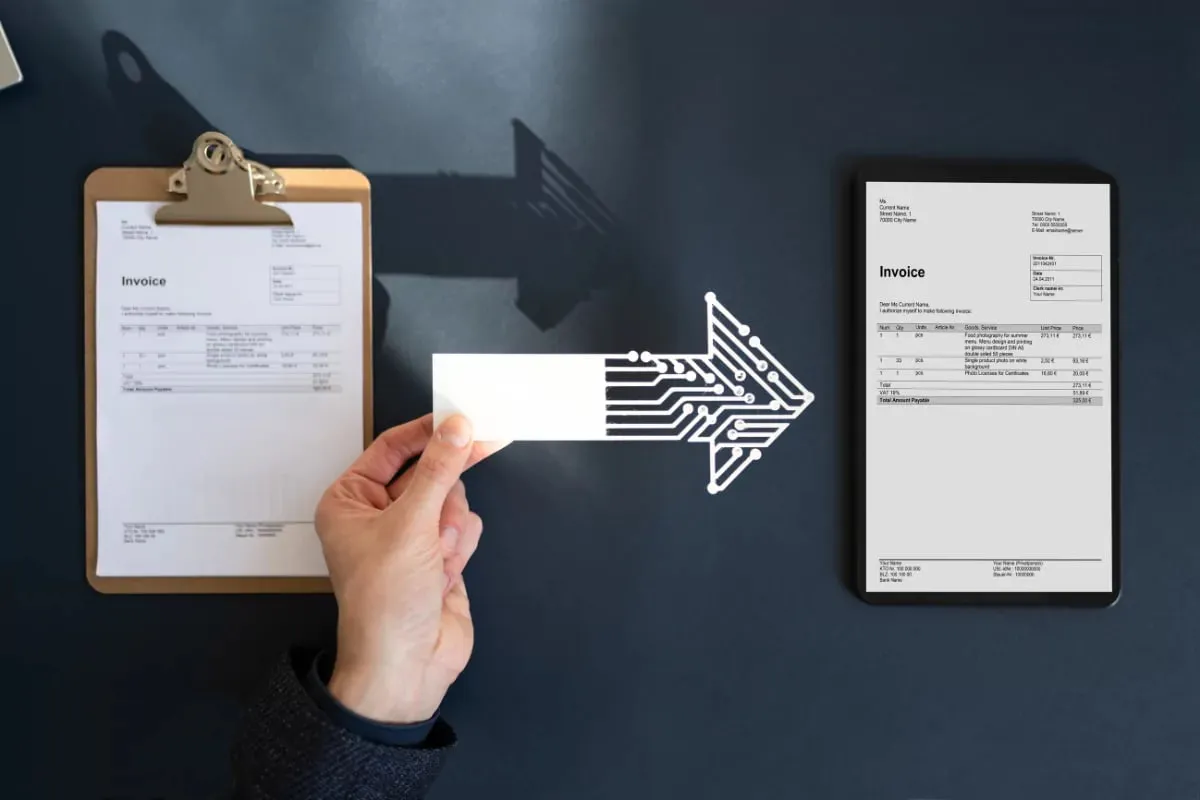
An e-invoice is an invoice issued, transmitted and stored electronically in a structured, machine-readable format instead of on paper or as a PDF.

A workplace related to E-invoice
In short

The invoice data travels from the seller's ERP to the buyer's system, or through a tax platform or network such as Peppol, and can land as a record in both parties' ERP without retyping. Rules on who must use it, the format and the reporting steps are set by each country's tax authority.

What you need to know about E-invoice

E-invoice: How does an e-invoice work?

How does an e-invoice work?

The seller prepares the invoice in ERP. The invoice is created as structured XML, often following the EN 16931 standard, and sent to the buyer through an e-invoicing provider, a network such as Peppol or a national tax platform. In some countries the tax authority clears or validates the invoice first. The buyer's system receives the invoice and can give an acceptance or rejection response. When an incoming e-invoice is transferred to ERP automatically, line items are not typed one by one; accounting checks and approves. Retention requirements are tracked separately.

E-invoice: Who uses it?

Who uses it?

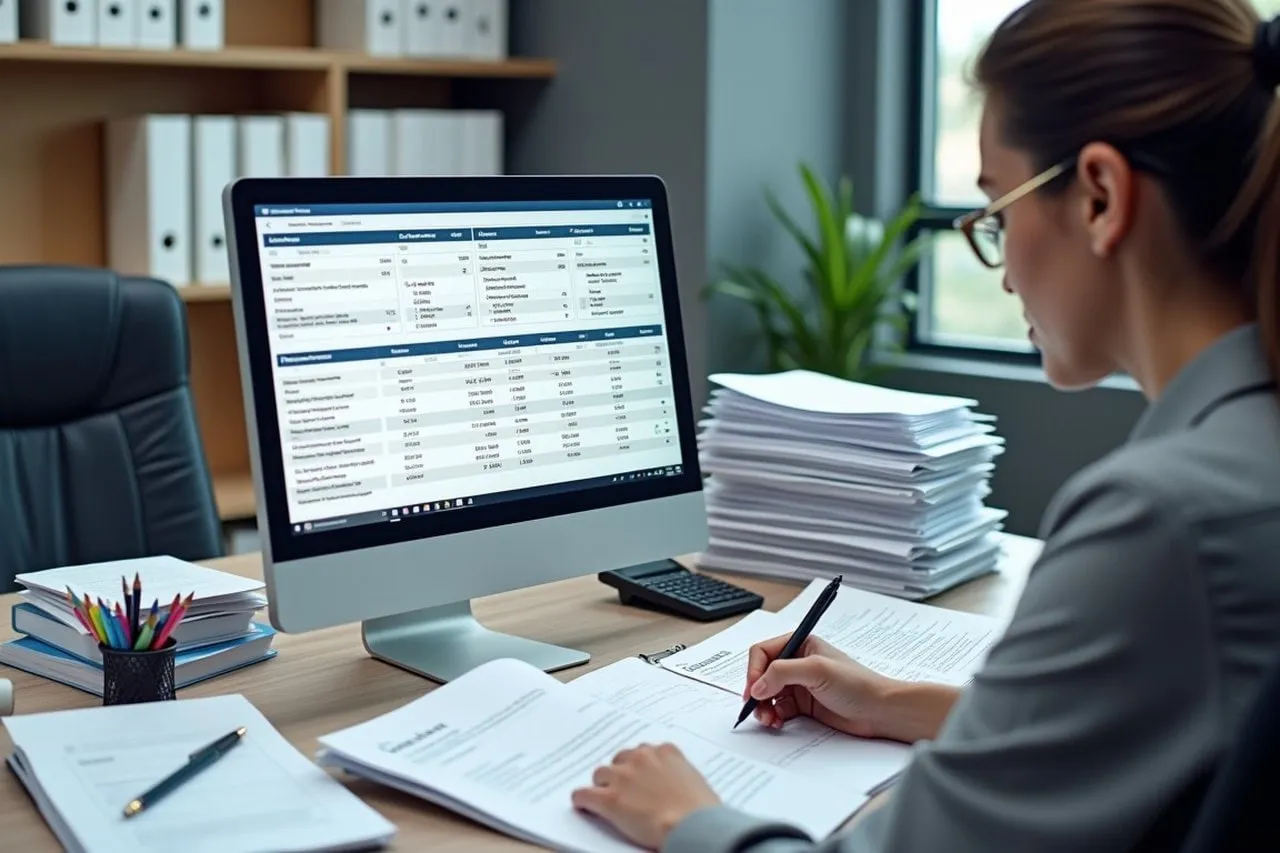
Who must issue e-invoices depends on the country, the type of transaction (business to business, business to government, business to consumer) and sometimes turnover. Companies that are not obliged can also switch voluntarily. The accounting team follows outgoing and incoming invoices, purchasing compares incoming invoices with orders and finance monitors due dates. In a company working integrated with ERP, the incoming invoice is transferred into the system down to the line item.

E-invoice: What to watch out for

What to watch out for

When moving to e-invoicing, plan the choice of provider or network, the electronic signature or seal where required, and the ERP connection. Invoice numbering series, VAT rates and exemption codes must be defined correctly. Checking and responding to incoming invoices must be tracked. Retention and presentation obligations differ by country; consult your accountant or tax adviser for details. Know the rules for cancelling and reissuing to correct a wrong invoice. Do not issue live invoices before registration and the test process are complete; your provider supports you in this step.

See how E-invoice would work in your business

Tell us briefly about your process and we will walk through the screens with your own example.

  • Reply the same business day
  • 15+ years of experience
  • 90 client businesses

What does Panda AI do here?

Panda AI reads the incoming e-invoice, matches it with the order and waybill and prepares a draft voucher. Accounting approves the draft.

Frequently asked questions about E-invoice

What is the difference between an e-invoice and a B2C e-invoice or e-receipt?

An e-invoice is exchanged between two businesses that can receive electronic documents. A B2C e-invoice or e-receipt is issued to consumers or buyers outside that network; it reaches the buyer by e-mail or as a printout, and in many countries it is also reported to the tax authority.

Is e-invoicing mandatory?

It depends on the country and sometimes on turnover or transaction type, and the rules change. Check the current requirement with your tax authority or accountant.

See E-invoice with your own data

Describe your process in a few sentences and we will show you the modules that fit.

  • 15+ years of enterprise software experience
  • In the cloud or on your own server
  • Processes compliant with KVKK (Turkey's data protection law)