

e-Documents and regulation

What is a freelancer e-receipt?

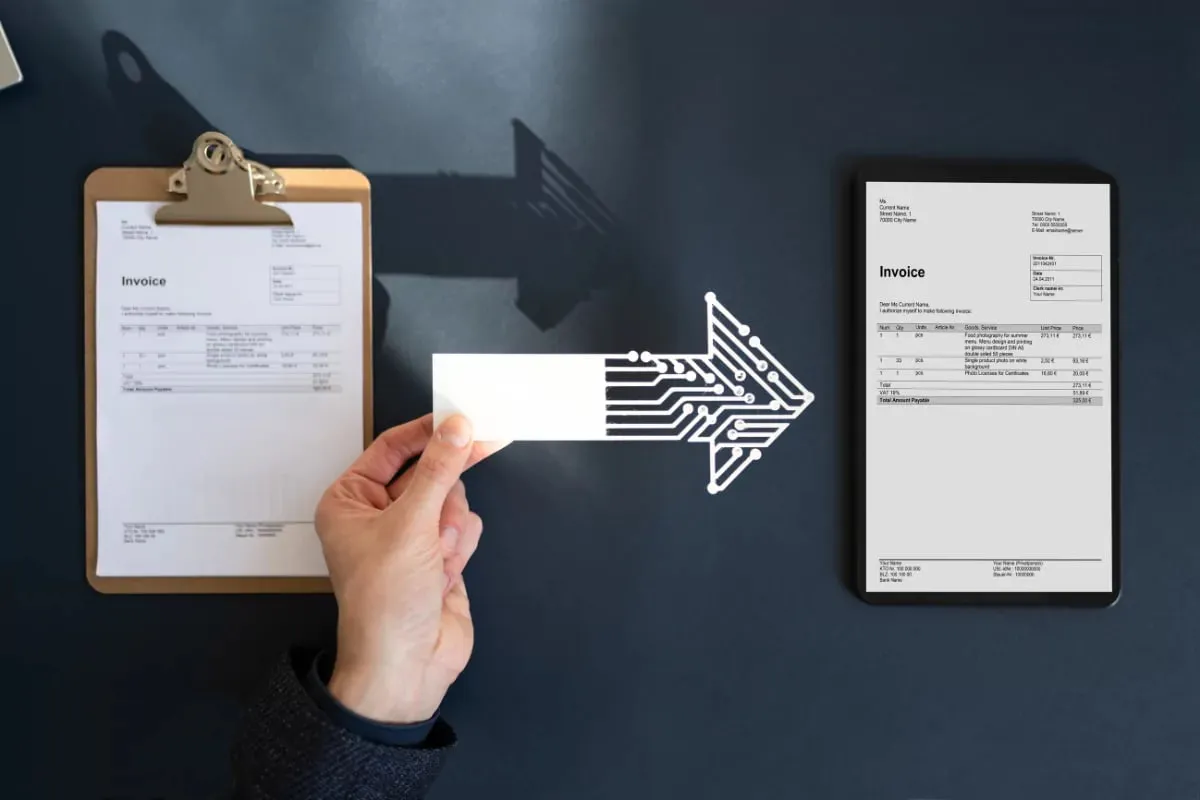
A freelancer e-receipt is the receipt issued, signed and stored electronically by a self-employed professional, such as a lawyer, doctor, accountant or engineer, in return for the service provided.

A workplace related to Freelancer e-receipt
In short

It states the service fee, VAT and, where applicable, the withholding tax amount, and is delivered to the recipient electronically. The recipient company posts the document to its accounting records and declares any withholding tax. Whether this document type exists, and its format, depends on each country's rules.

What you need to know about Freelancer e-receipt

Freelancer e-receipt: How does a freelancer e-receipt work?

How does a freelancer e-receipt work?

The self-employed professional prepares the receipt, with the service fee, withholding tax and VAT amounts, in software. The document is approved with an electronic signature or seal and delivered to the recipient by e-mail. Where local rules require it, the receipt is reported to the tax authority. Recipient companies post this document to their accounting records and declare any withholding tax. In ERP the receipt can be linked to the customer/supplier account and general accounting records. Both parties record the document, which removes the need to print and store paper receipts.


Freelancer e-receipt: Who uses it?

Who uses it?

Those who issue it are self-employed professionals: lawyers, doctors, architects, engineers, accountants, consultants. Companies that buy these services post the incoming receipts to their books. In a manufacturing company that receives consulting services, accounting posts the withholding tax and VAT information on the receipt to the correct accounts. Small businesses meet these receipts as they buy consulting, legal and accounting services; the document must be written to the right expense account.

Freelancer e-receipt: What to watch out for

What to watch out for

The service description, amount, withholding tax rate and VAT information on the receipt must be written correctly. Tax rates can change with regulation; confirm the current rate with your accountant. Decide at the outset which customer/supplier account and which expense account incoming receipts are posted to. When making a payment, check that any withholding tax deduction is reflected in the relevant return. There are rules for cancellation and correction. If withholding tax is not deducted and declared when paying a receipt, there is a risk of tax penalty; make this check a rule before payment.

See how Freelancer e-receipt would work in your business

Tell us briefly about your process and we will walk through the screens with your own example.

  • Reply the same business day
  • 15+ years of experience
  • 90 client businesses

What does Panda AI do here?

Panda AI reads the incoming freelancer receipt and maps the withholding tax and VAT fields to the ERP record. Accounting approves the voucher.

Frequently asked questions about Freelancer e-receipt

What is the difference between a freelancer e-receipt and an e-invoice?

An e-invoice is issued for commercial activities. A freelancer e-receipt is issued by people with self-employment income. They are separate document types and their accounting entries differ.

What is withholding tax on a freelancer receipt?

Withholding tax is the payer deducting tax from the professional's fee and paying it to the state. The rate is set by regulation and shown on the receipt.

See Freelancer e-receipt with your own data

Describe your process in a few sentences and we will show you the modules that fit.

  • 15+ years of enterprise software experience
  • In the cloud or on your own server
  • Processes compliant with KVKK (Turkey's data protection law)