
e-Invoices arrive digitally; someone still posts the entry by hand.
Structured e-invoices, B2C e-receipts and electronic delivery notes; through your e-invoicing provider or tax platform



Panda AI reads the e-invoice that arrives from your tax platform or e-invoicing provider, matches it with the account card, order and waybill record in the ERP, prepares the accounting entry draft and reconciles with the bank statement daily. Your integrator and ERP do not change; an unmatched or inconsistent invoice goes to accounting, and a person approves the entry.
Work that stays manual in teams using e-Invoice and tax platform
-
Incoming invoice posted by hand
The e-invoice is downloaded from the portal or the integrator; the account code, VAT and customer/supplier account are chosen by hand for every invoice.
-
Order-waybill-invoice check by hand
Whether the items and quantities on the invoice match the order and the waybill is verified by looking line by line.
-
Reconciliation at month-end
The bank statement, the e-invoice list and the ERP account movements are matched at month closing; the difference is found days later.
How does the agent connect to e-Invoice and tax platform?
- 1
Integrator and ERP access
Incoming e-invoices are read from your existing private integrator or from your ERP's e-invoice module; the integrator does not change. The agent does not issue invoices; it reads and matches incoming documents.
- 2
Three-way matching rule
Invoice items are compared with the order and the waybill by quantity, unit and price. You set the tolerance limit; a difference outside it goes to approval.
- 3
Pilot: one process, 30 days
A demonstration with your own invoices in the first 3 business days; throughout the pilot every entry draft goes through the accountant's approval.
Scenes from the office
-

Incoming invoice posted by hand -

Order-waybill-invoice check by hand -

Reconciliation at month-end -
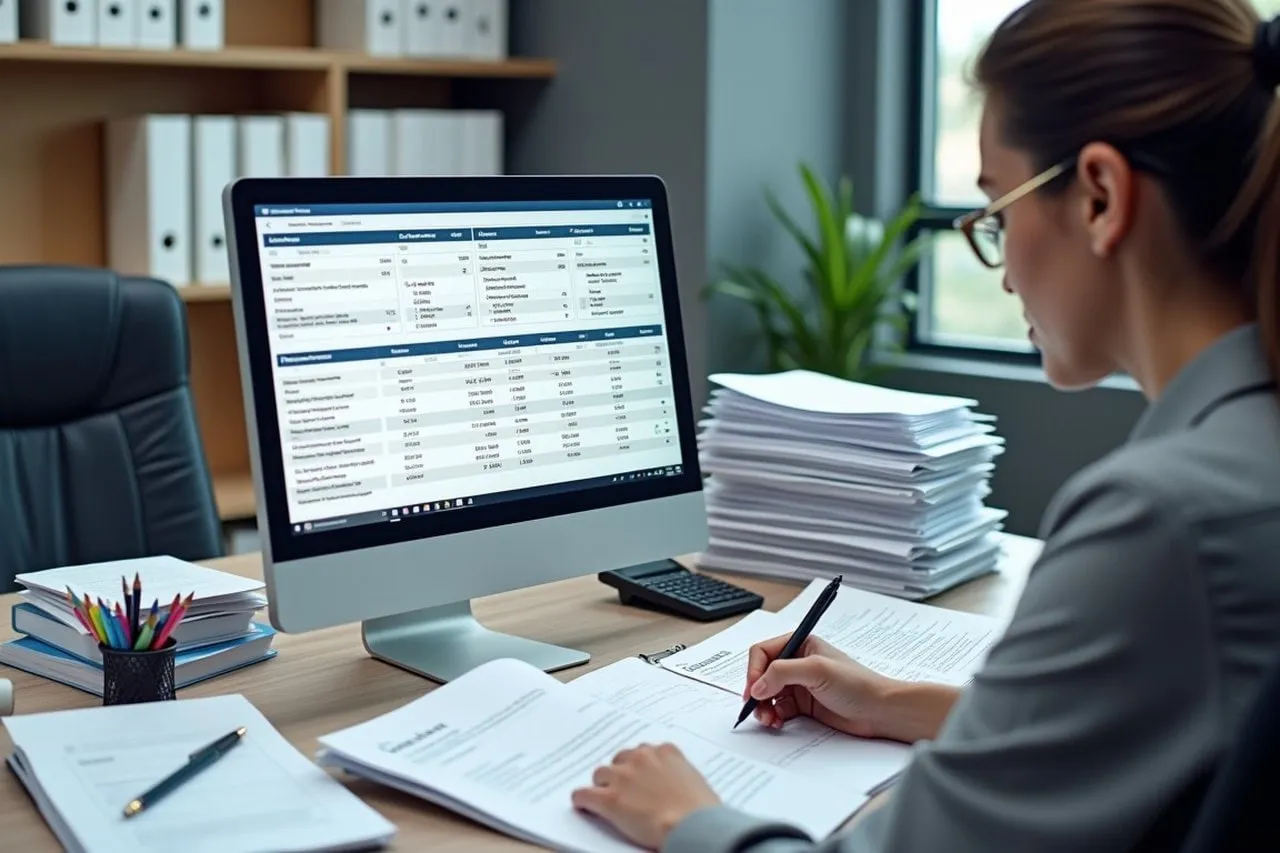
Incoming invoice posted by hand
Related scenarios and industries
Frequently asked questions about e-Invoice and tax platform
Does the agent issue e-invoices?
No. Issuing invoices is the job of your ERP and your integrator; the agent reads incoming documents, matches them and prepares an entry draft. A person approves any document that goes to the tax authority.
Which integrators does it work with?
The integrator does not matter; incoming invoices are read from the ERP's e-invoice module or from the integrator's export. It is connected in the discovery call according to your current setup.
Are electronic delivery notes and B2C e-receipts covered too?
Yes. An incoming electronic delivery note is matched with the shipment and stock record, and a B2C e-receipt with the account record, using the same rule.
Does our data go to Panda?
No. Setup is done on your own server or in your own cloud account; invoice content is not sent outside the company. Who approved what is in the audit log.
See e-Invoice and tax platform with your own data
Describe your process in a few sentences and we will show you the modules that fit.
- 15+ years of enterprise software experience
- In the cloud or on your own server
- Processes compliant with KVKK (Turkey's data protection law)