Retail Management

The assembly order is on paper, the missing part shows up on delivery day

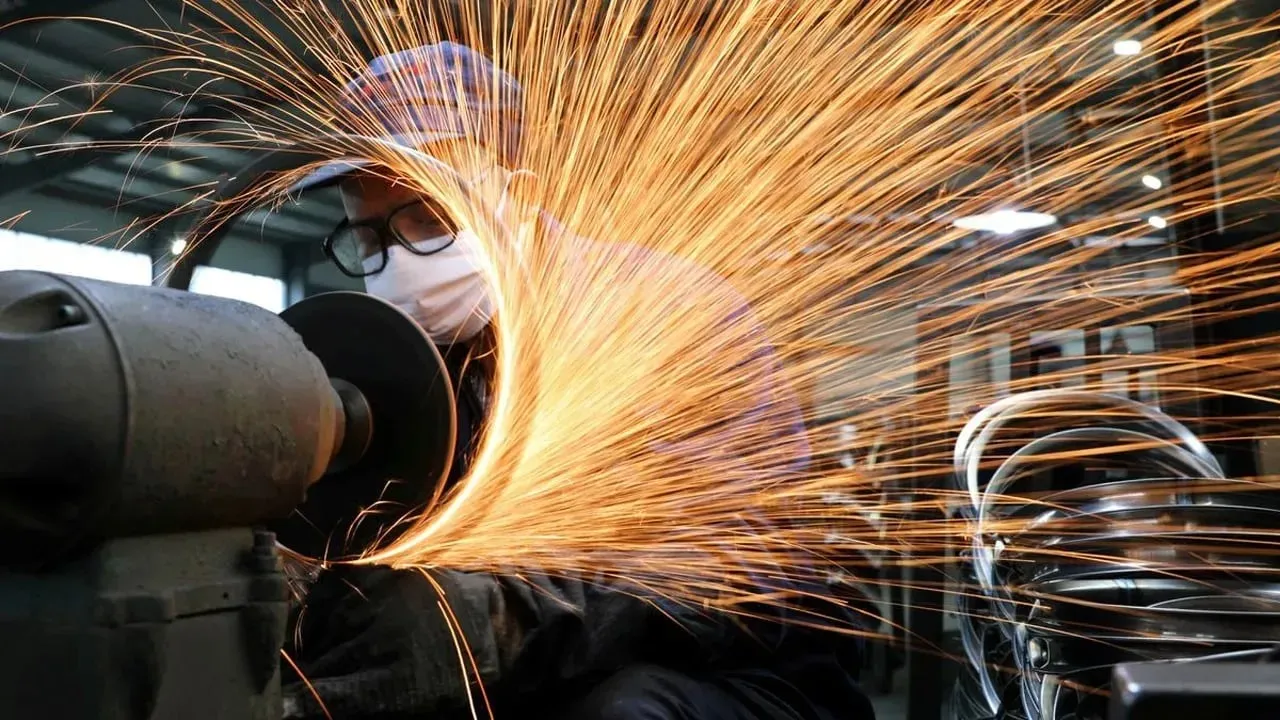
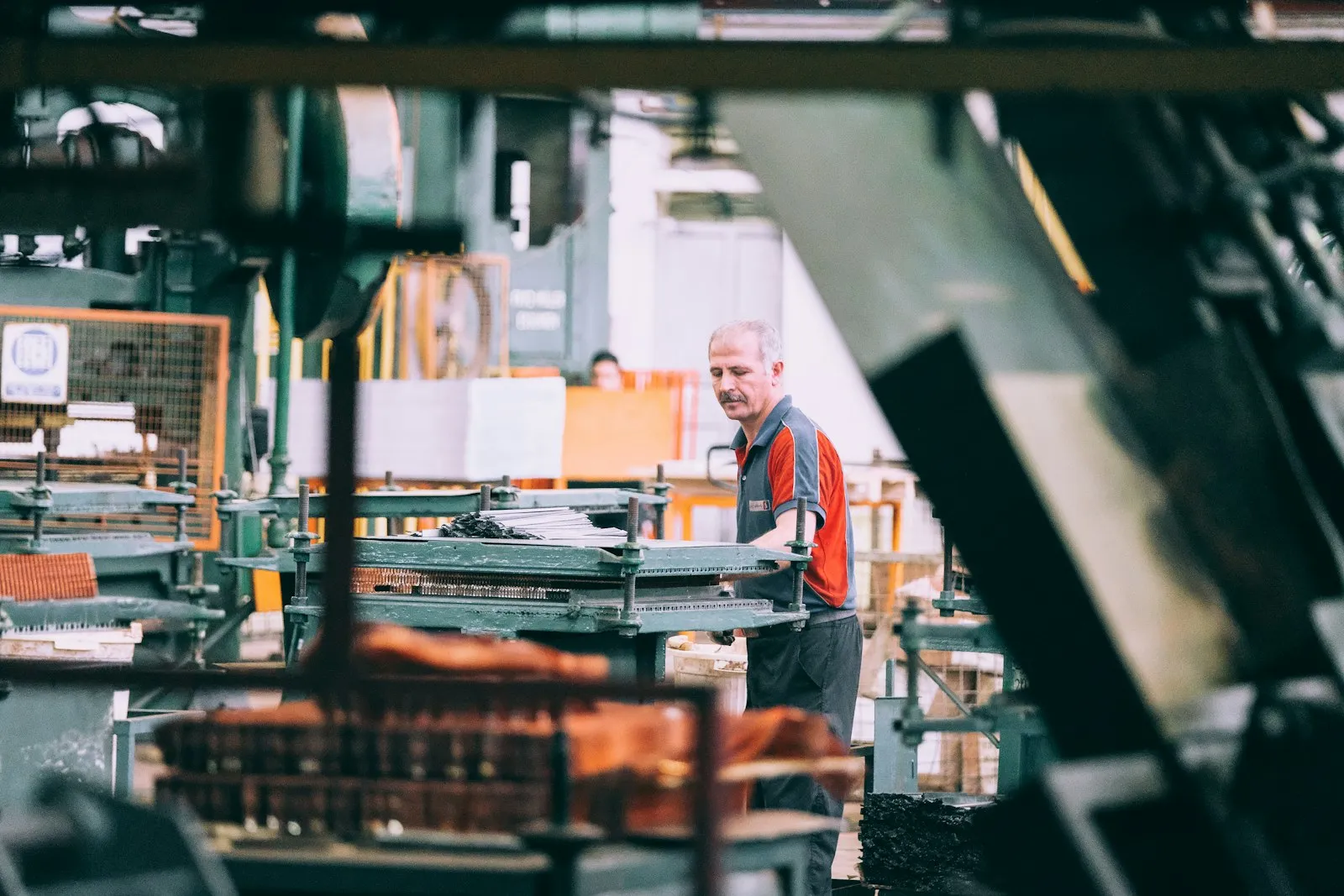
Production and Assembly Management opens a work order from a store order, compares the materials in the recipe with stock, and tracks the assembly stage. A missing part is visible when the order is taken; the salesperson gives the delivery date accordingly.

Production and assembly
In short

Production and Assembly Management is the Panda Store module that opens a work order when a store order is approved, compares the raw material and part needs in the product recipe with stock, and tracks the stages of material preparation, production, assembly, quality control and packaging. Machine capacity and staff skills are used when work orders are distributed; planned and actual time turn into cost per work order. It is for stores with a workshop and for dealers that offer assembly service.

How is this work done today?

  • The assembly order is on paper, the workshop is asked by phone

    The salesperson writes the order on a paper slip and hands it to the workshop; when the customer calls, the master is asked by phone which stage the order is at.

    2 people × 20 minutes / order
  • A missing part is noticed on delivery day

    The recipe is in the master's head; when assembly starts a part turns out to be missing, purchasing places an urgent order, and the customer is given a new date.

    3 people × 1 hour / week
  • Cost is divided by an average at month end

    Labour and material are not totalled per work order, so nobody knows what each product actually cost; the price list is updated by guesswork.

    1 accountant × 1 day / month

How does Production and assembly work?

  1. 1

    The recipe and product tree are defined

    For each product, the raw material list, quantity, alternative materials and process steps are written; sub-assemblies, semi-finished goods and the finished product are linked in a multi-level tree.

  2. 2

    A work order is opened from the order

    When the order is approved, a work order number, deadline and priority are assigned; the recipe need is compared with stock, and a missing material alert goes to purchasing.

  3. 3

    Stages and capacity are tracked

    Material preparation, production, assembly, quality control and packaging stages are marked from the workshop screen; work orders are distributed by machine capacity and staff skills.

  4. 4

    Cost and efficiency report

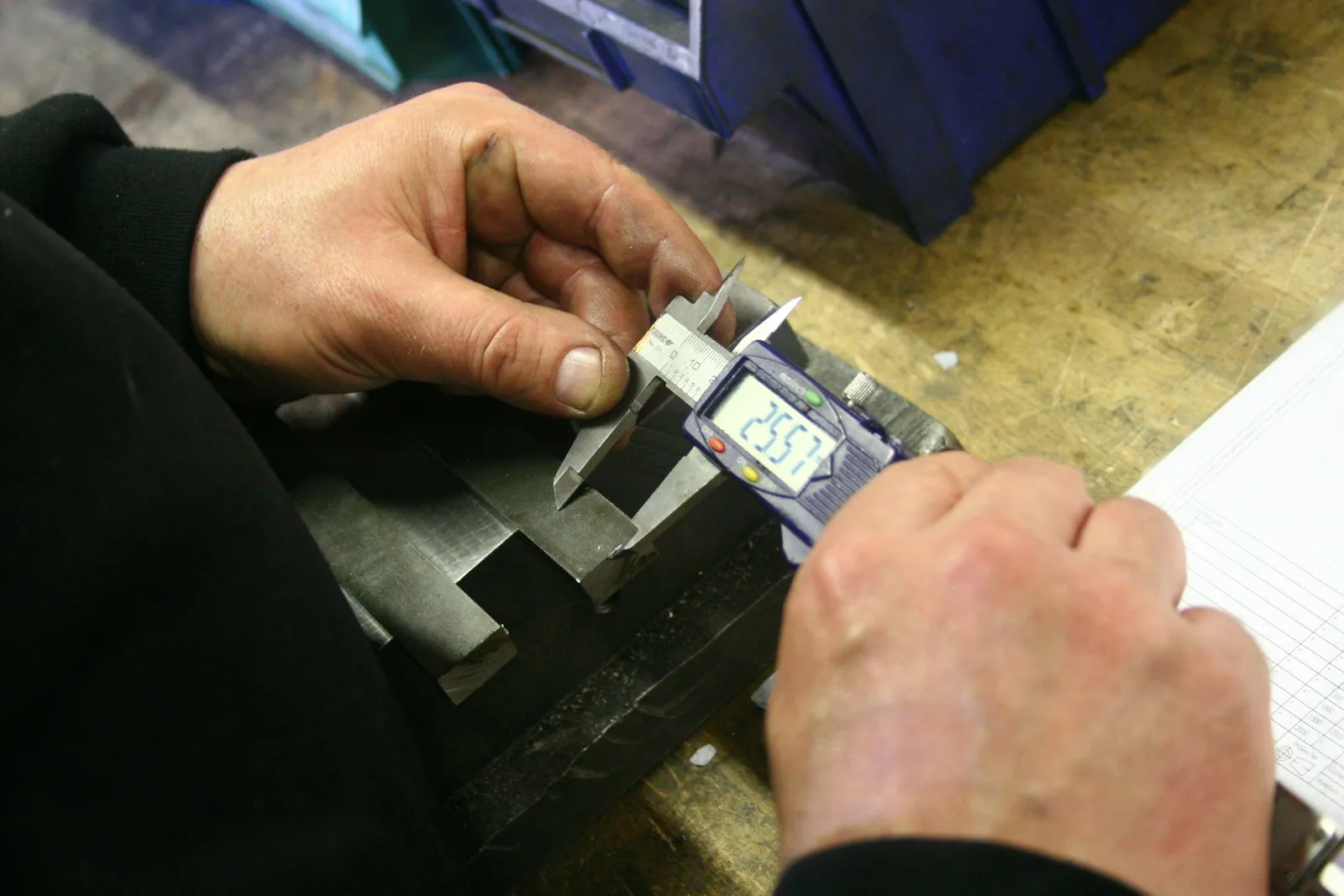
    Planned versus actual time, output per machine and production per person are compared; material and labour cost come out per work order.

See how Production and assembly would work in your business

Tell us briefly about your process and we will walk through the screens with your own example.

  • Reply the same business day
  • 15+ years of experience
  • 90 client businesses

Production and assembly features

Production and assembly: Recipe management (BOM)
  • Recipe management (BOM)

    Raw material list, quantities, alternative materials and process steps; multi-level product tree, and cost is calculated from the recipe automatically.

  • Work order from the order

    A work order opens when the order is approved, with number, deadline and priority assigned; an alert and a purchase request draft are created for missing raw material.

  • Stage tracking

    Material preparation, production, assembly, quality control and packaging stages; completion status and estimated finish are visible on the salesperson's screen.

Production and assembly: Machine capacity
  • Machine capacity

    The machine's daily capacity, working hours and maintenance period are defined; work orders are distributed by machine load, and overloading is prevented.

  • Labour planning

    Which staff can work at which stage is defined; work orders are assigned by skill, and a training needs list appears in the report.

  • Efficiency analysis

    Time per work order, output per machine, production per person; planned and actual time are compared, and the bottleneck is flagged.

  • Stock and purchasing link

    Raw material is reserved when a work order opens and finished goods enter stock when it closes; scrap is on a separate line, and a missing part turns into a purchase request.

  • Customer notification

    When the assembly stage changes, the customer gets an SMS or email; the delivery and installation appointment is kept in the order record.

What does Panda AI add to Production and assembly?

The Production and Planning Agent is the Panda AI agent that answers, in a single question, an order’s delivery date, whether work orders have the materials they need and where there is a risk of delay.

  1. Today The plan is kept in Excel and the ERP is updated afterwards With the agent The delivery date of any order with one question
  2. Today A material shortage is discovered when the line stops With the agent Material availability check for work orders
  3. Today Three people are asked for one delivery date With the agent Orders at risk of delay are flagged in advance

Jobs it takes on

  • Work order and delivery date queries
  • Material availability check
  • Scrap and efficiency reports
  • Delay risk alerts
  • End-of-shift summaries
  • Compiling quality records

The agent prepares, a person approves. Anything that posts a record or sends something outside the company goes through your approval.

Explore Panda AI agents

Frequently asked questions about Production and assembly

Which store types use this module?

Furniture, kitchen and curtain stores with a workshop use it for made-to-measure production; electronics and technology stores for assembly, installation and technical service orders; apparel for alterations and custom tailoring; wholesalers and distributors for packaging and set preparation. The recipe structure is defined from the same screen for every type.

Our recipes are in Excel. Can they be imported?

Yes. Excel is imported with finished product, component, quantity and unit columns; missing product cards are listed and opened during setup. Alternative materials and process steps are added to the card afterwards. Recipe changes are versioned; an open work order runs with the old recipe and a new work order with the new one. A store without a workshop does not switch this module on.

Our masters do not use computers. How do they mark a stage?

A tablet or barcode reader is placed in the workshop. The master scans the work order barcode, starts and finishes the stage, and picks the reason for a stoppage or wait from a list. A photo can be attached; in the quality control stage the rejection reason is entered on the same screen and stays linked to the work order. The recipe cost appears on the product card after import.

What happens when a material is missing?

When a work order is opened, the recipe need is compared with stock; the missing item list lands as a purchase request draft. The salesperson gives the delivery date according to the supply lead time of the missing material. Until purchasing approves the request, the work order shows as waiting and no promise is made to the customer. The workshop screen shows the work order sequence by priority.

Can subcontract or outside workshops be tracked?

Yes. A subcontract work order is opened, material is transferred to the subcontractor warehouse, and the returning finished goods enter stock with a waybill. The subcontractor invoice is posted to the work order cost. Which job is with whom and the deadline appear in the same list; a late subcontract order is notified to the salesperson. If an alternative material is defined the system suggests it, and the master makes the choice.

How does cost come out per work order?

Materials in the recipe are totalled at stock cost, labour at the staff hourly rate and machine time at the defined hourly expense on the work order. When the work order closes, actual cost is compared with planned; a difference report is available by product. The sales manager updates the price list according to this report. Material in the subcontractor warehouse shows separately in the stock report.

How is the installation and assembly appointment communicated to the customer?

The delivery and installation date is written on the order record; when the stage changes, the customer gets an SMS or email. The assembly team's daily plan is visible on mobile, and a completed installation closes with a photo and the customer's signature. A later service request is linked to the same record. Scrap and rework cost are tracked on a separate line.

What does the agent do in production and assembly?

The recipe needs of open work orders are compared with stock and open orders every night; the missing list and the purchase request draft are ready at 07:00 in the morning. Purchasing approves the request; the agent does not place orders. The list of late work orders goes to the workshop supervisor in the same report. Scenario: production tracking.

See Production and assembly with your own data

Describe your process in a few sentences and we will show you the modules that fit.

  • 15+ years of enterprise software experience
  • In the cloud or on your own server
  • Processes compliant with KVKK (Turkey's data protection law)

Last reviewed: · Panda Yazılım product team