


ERP and modules

What is MRP?

MRP is material requirements planning: it calculates which materials, in what quantity and by when, are needed to produce a product.

A workplace related to MRP
In short

Sales orders, the bill of materials and current stock are read together, and a purchase or work order suggestion comes out for each missing material. This way production is planned without waiting for raw materials. The calculation is renewed as orders change, so the planner does not have to update Excel by hand.

What you need to know about MRP

MRP: How does MRP work?

How does MRP work?

MRP combines three inputs: how much product will be sold or produced, the bill of materials (which materials one product needs) and stock on hand and on order. Current stock is subtracted from gross requirements to find net requirements. Net requirements are dated backwards according to lead time and become purchase requests or production work order suggestions. The system can redo this calculation with every order; in a manually calculated Excel sheet it is easy to forget the update when an order changes.

MRP: Who uses it?

Who uses it?

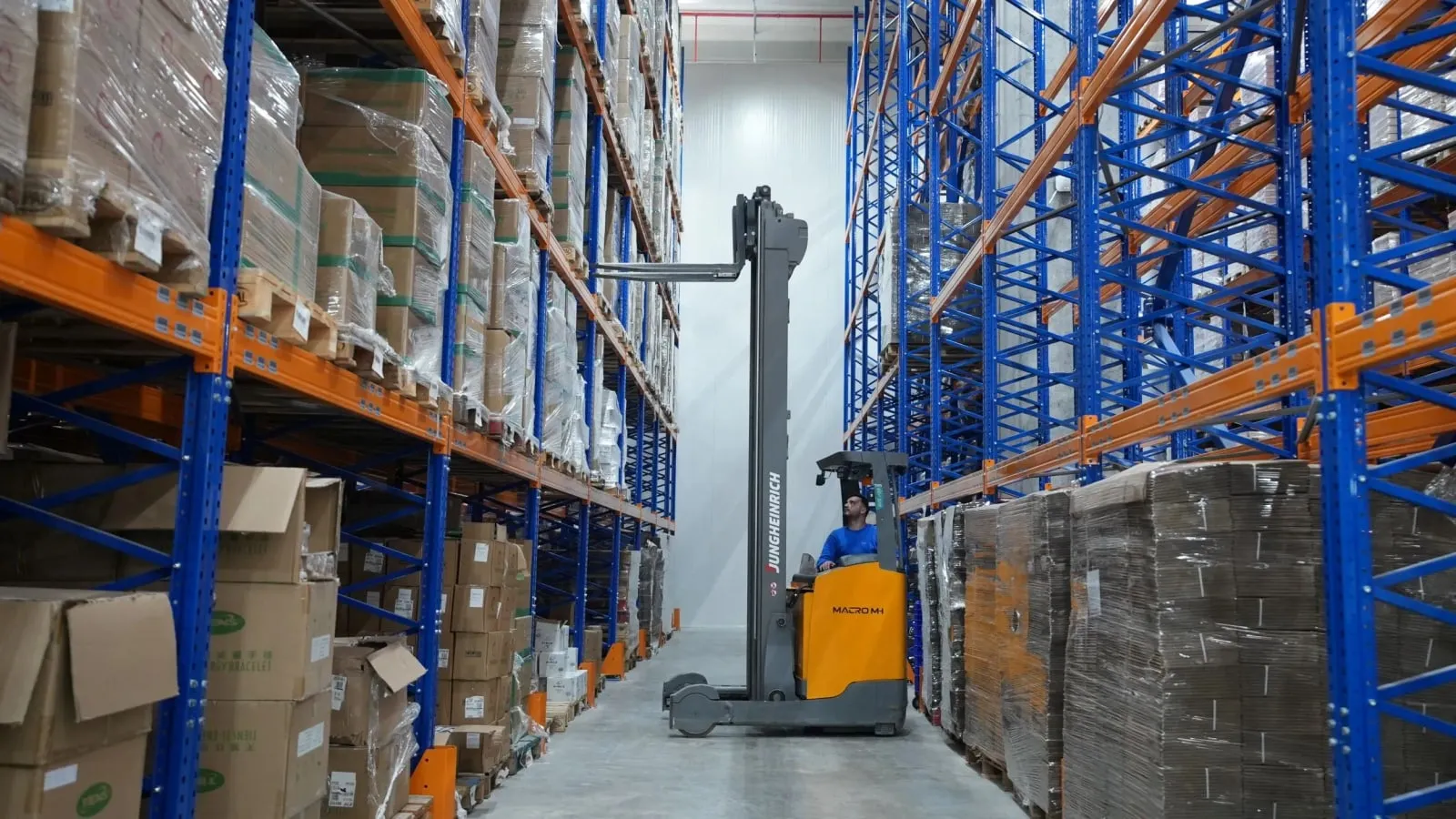
Production planning, purchasing and warehouse teams use MRP output together. The planner looks at when each job should start, purchasing turns the suggested supplies into orders and the warehouse prepares for incoming material. It is common among metal, plastic, packaging, furniture and food manufacturers with many-component bills of materials. For simple production with few items, a basic minimum-stock rule can be enough instead of MRP. In businesses with frequent orders the plan is re-read every day; relying on a weekly meeting shows missing material too late.

MRP: What to watch out for

What to watch out for

MRP is only as accurate as its inputs. If the bill of materials is outdated, stock counts are wrong or lead times are guesses, the suggestions will be wrong too. Scrap rates, alternative materials and subcontracted operations must be defined in the BOM. Suggestions are not firm orders; the planner approves them after seeing capacity and supplier status. MRP does not limit capacity on its own, so it is usually read together with capacity planning. Leaving a time buffer in the plan for late suppliers and urgent orders helps keep the suggestions realistic.

See how MRP would work in your business

Tell us briefly about your process and we will walk through the screens with your own example.

  • Reply the same business day
  • 15+ years of experience
  • 90 client businesses

What does Panda AI do here?

Panda AI reads MRP suggestions and supplier quotation e-mails and prepares missing items as draft purchase requests. Purchasing approves turning them into orders.

Frequently asked questions about MRP

What is the difference between MRP and MRP II?

MRP only calculates material requirements. MRP II also adds capacity, work centers, labor and cost to the plan, planning all production resources.

Is a bill of materials required for MRP?

Yes. MRP learns which material is needed in what quantity for which product from the bill of materials. If the BOM is incomplete or outdated, the calculation will be incomplete too.

See MRP with your own data

Describe your process in a few sentences and we will show you the modules that fit.

  • 15+ years of enterprise software experience
  • In the cloud or on your own server
  • Processes compliant with KVKK (Turkey's data protection law)