

Morning production report by hand
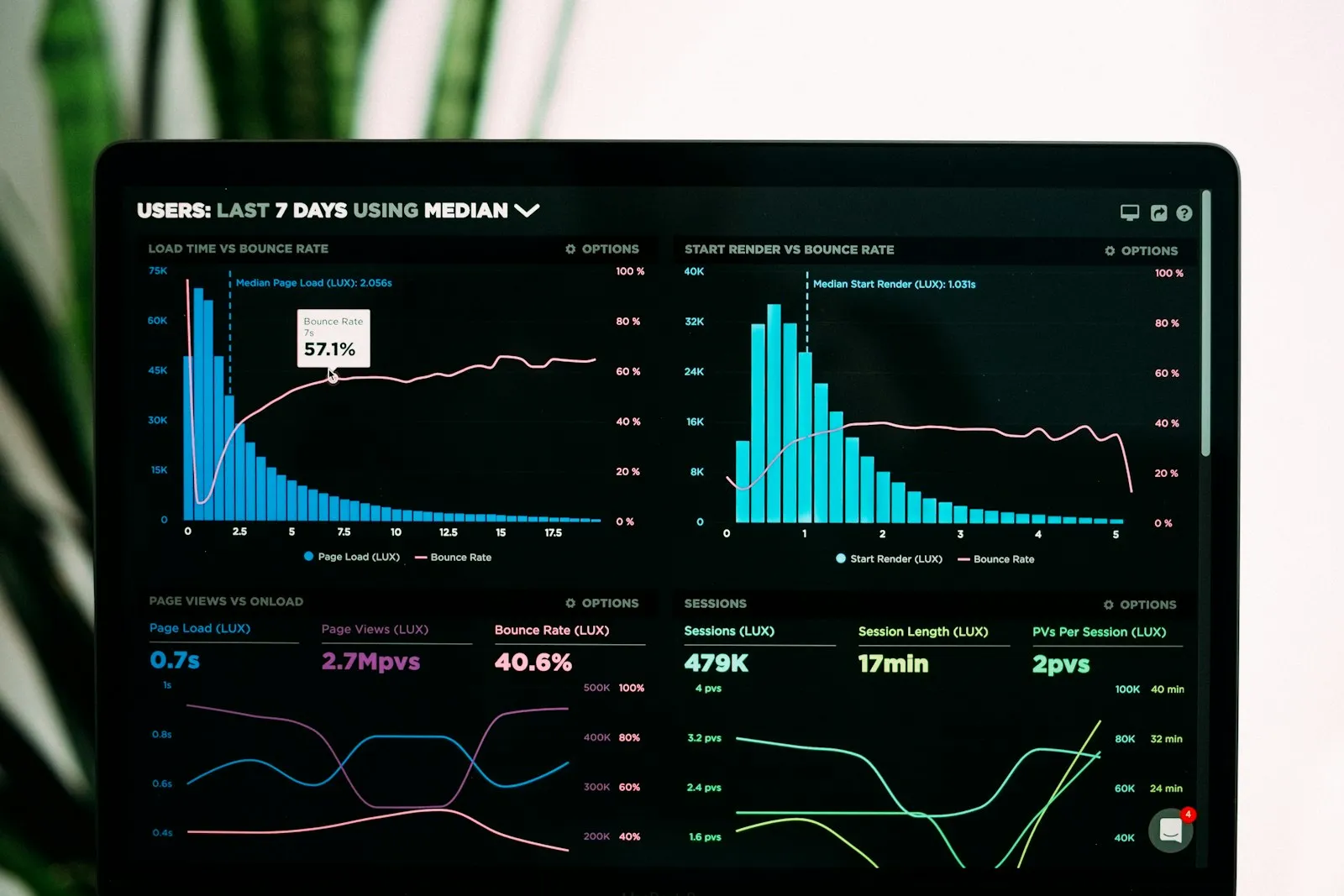
The plan-versus-actual gap, the reason for downtime and the late work orders arrive in a single morning report at 07:00. The meeting starts not with "what happened" but with "what do we do"; a person decides.

Production manager, planning, quality
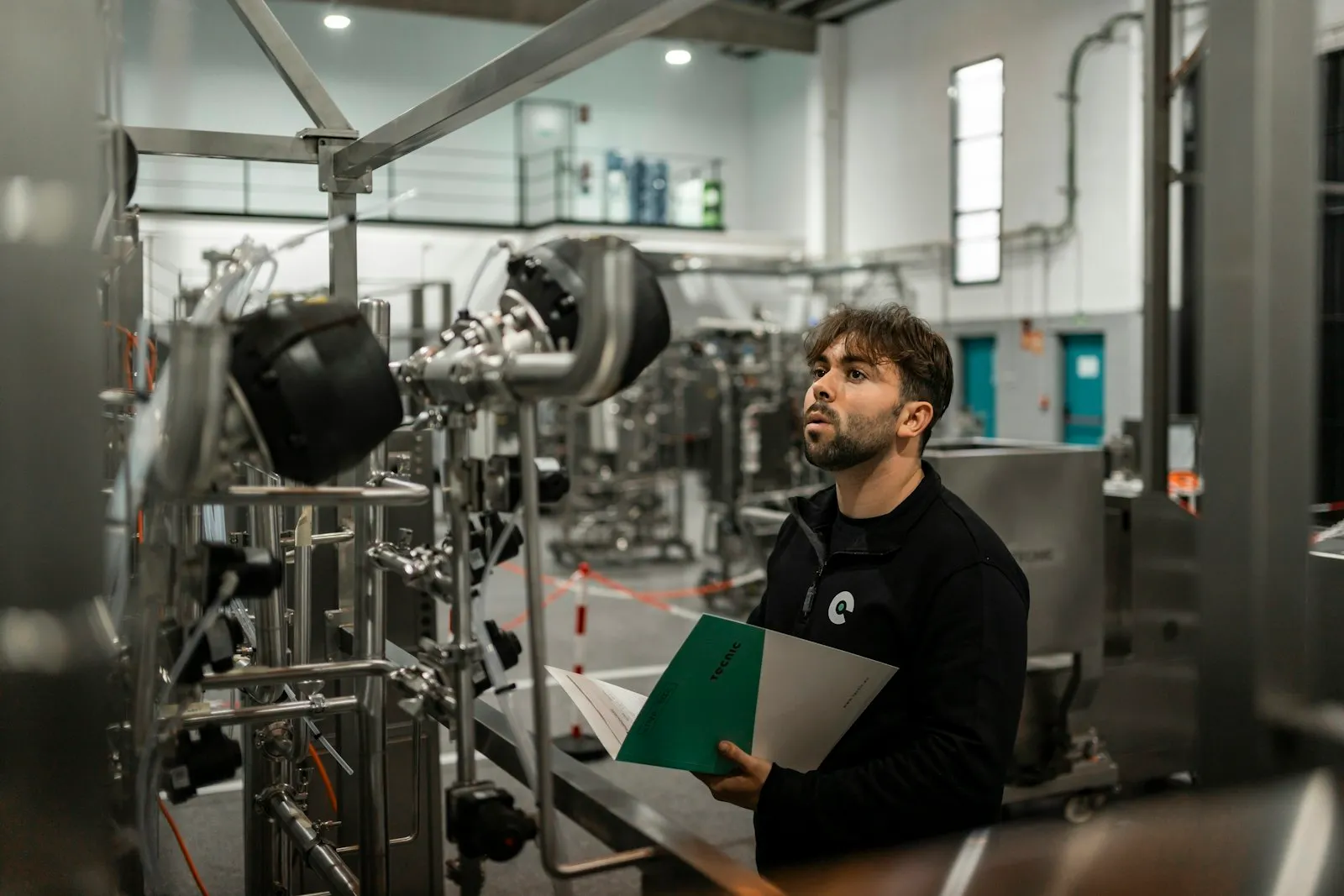
At the production desk, the agent reports the plan-versus-actual gap, downtime and late work orders every morning at 07:00, and writes shift and quality forms into the ERP. A work order that exceeds the deviation threshold goes to the production manager; a person decides.
End-of-shift quantities go from paper to Excel and from Excel to the report; management gets the report in the afternoon.
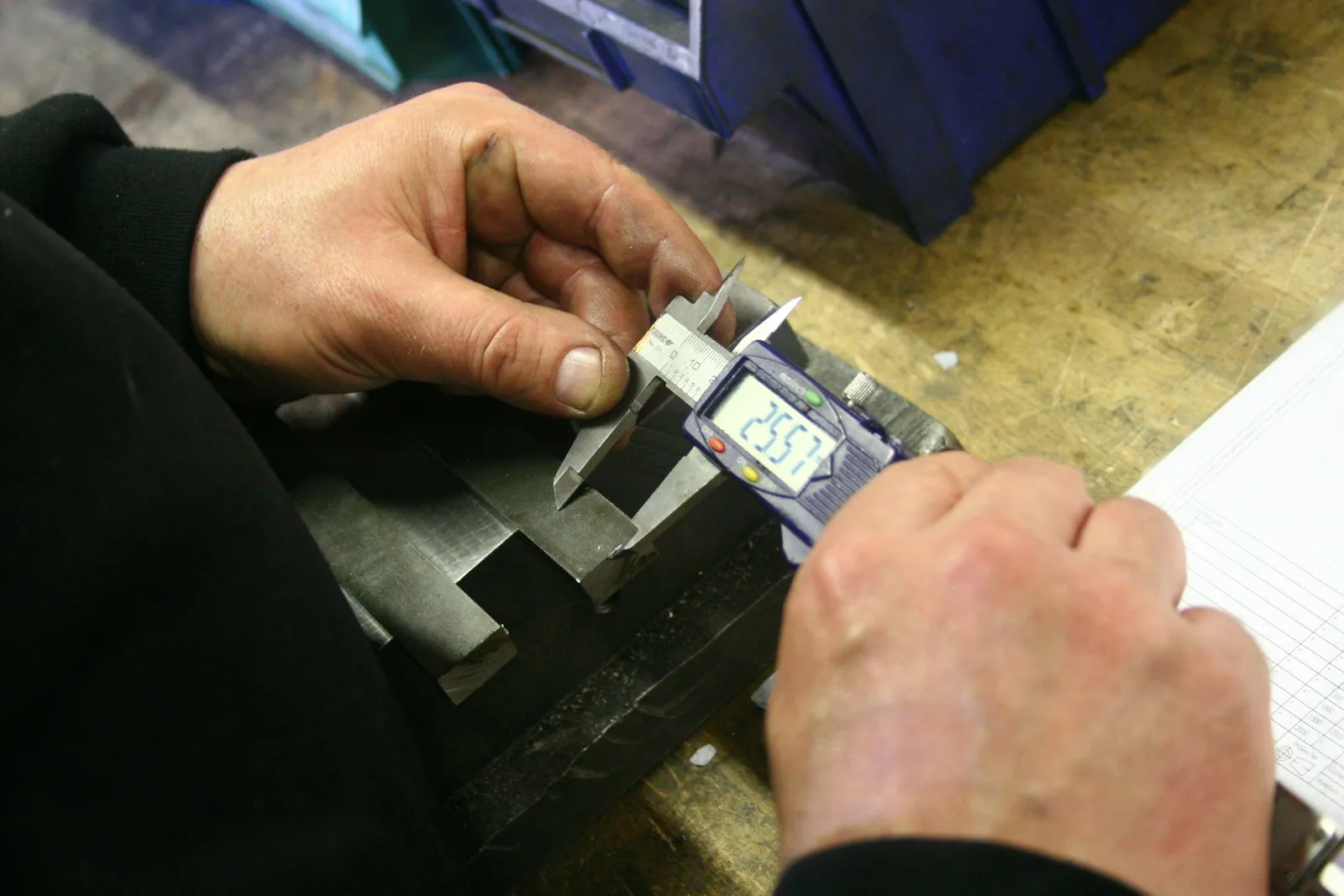
Incoming, in-process and final inspection results are written on a form and then transferred to the system; the scrap report comes out the next day.
The plan-versus-actual gap shows up at the weekly meeting, by which time the deadline is missed.
The plan-versus-actual gap, the reason for downtime and the late work orders arrive in a single morning report at 07:00. The meeting starts not with "what happened" but with "what do we do"; a person decides.

The agent continuously compares warehouse movements with ERP records; it lists the gap on the day it appears, not at the count. A person approves or corrects the gap; they do not hunt for it.
Tell us briefly about your process and we will walk through the screens with your own example.
From work-order closing records in the ERP, a barcode terminal, an MES or a photo of the shift form. The agent reads whichever you have; no extra device is required.
No. The agent reports the deviation and passes it to the person concerned; the decision to change the plan belongs to the planner.
At the time you set, for example every morning at 07:00, by email or WhatsApp. It is short when there is no deviation and comes with the deviation lines when there is.
Describe your process in a few sentences and we will show you the modules that fit.