
You have SAP. Quote comparison is still in Excel.
Mid-size and large manufacturing and distribution companies that use SAP



At companies using SAP, Panda AI is set up next to SAP: it reads supplier quotes from PDFs and compares them in one table, enters the orders in emails into SAP, and matches the bank statement with e-invoices. No new SAP module or project is needed; write access is limited to your own definition, and a person decides.
Work that stays manual in teams using SAP
-
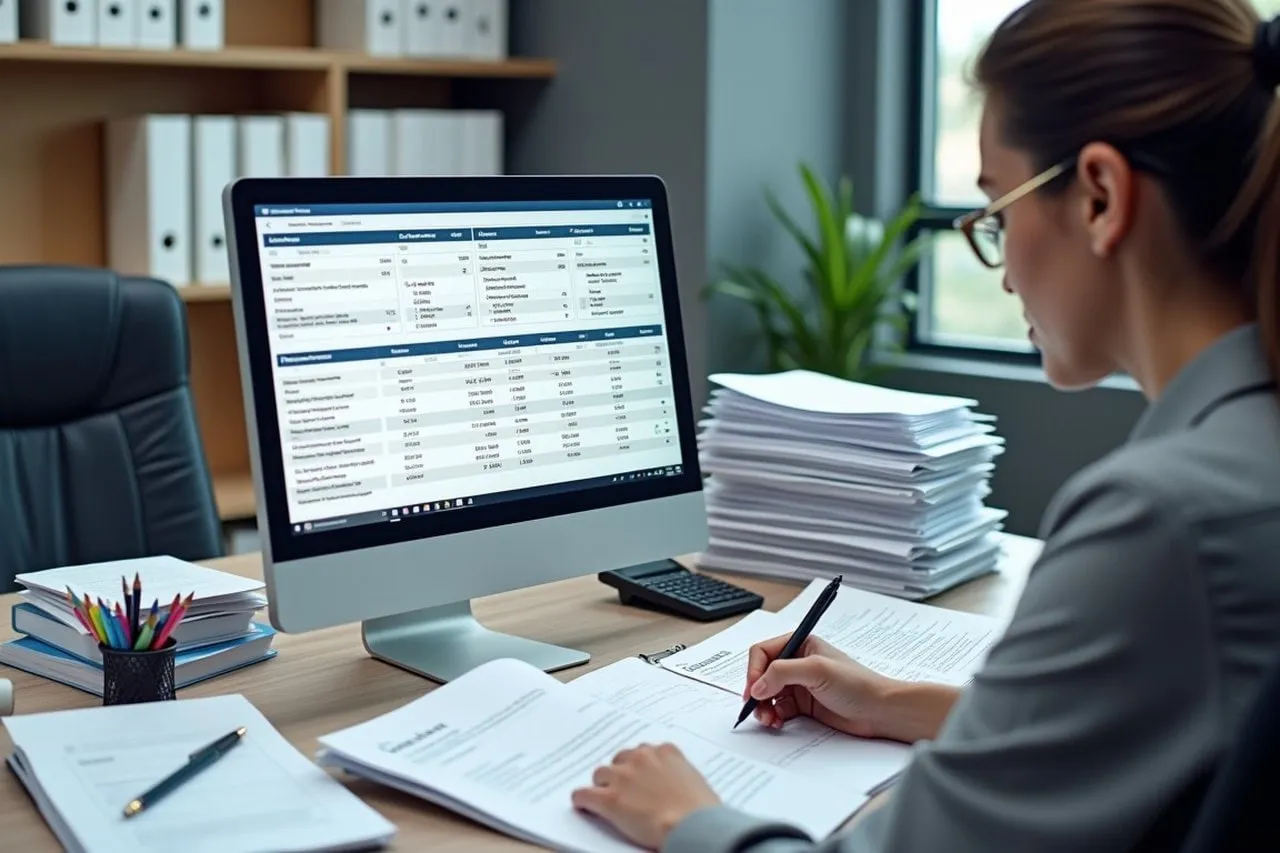
Three PDF quotes, two days in Excel
Supplier quotes come in different formats; purchasing moves them to Excel item by item, aligns the units, and the table is ready two days later.
-
Documents outside SAP typed into SAP
Orders, waybills and invoices in emails and PDFs are entered into the SAP screen one at a time.
-
An IT queue for every change
A small report or rule change becomes an IT request and waits for weeks.
How does the agent connect to SAP?
- 1
Access through an authorized interface
Nothing is written directly into SAP tables. The agent reads through an authorized interface and service account defined by your SAP administrator; writing is done within SAP's own posting logic, only as far as the access given.
- 2
Matching dictionary
Customer/supplier codes, stock codes, units and the chart of accounts are read as they exist in SAP. Through this dictionary the agent matches "Kuzey Metal" in an email to the account card and "PP granules" to the stock code.
- 3
Pilot: one process, 30 days
In the first 3 business days the process you choose is shown with your own data. Throughout the pilot every record goes through human approval (L2); once the rules settle, the permissions widen at your decision.
Scenes from the office
-

Three PDF quotes, two days in Excel -
Documents outside SAP typed into SAP -

An IT queue for every change -

Three PDF quotes, two days in Excel
Related scenarios and industries
Frequently asked questions about SAP
Will it clash with our SAP project?
No. The agent is set up next to SAP, not inside it; the process definitions, permissions and reports in SAP stay as they are. Your IT team sets the scope of access and can narrow it at any time.
Our SAP version is old; will it still work?
In most cases, yes. Access to the database or a way to export data is enough; the version and infrastructure are checked together in the discovery call. Upgrading the version or buying a module is not required.
Does the agent write records directly into SAP?
Only as far as the access you grant and within the rules you set. In the pilot every record goes to approval; anything outside the rules, such as an amount limit, missing information or a new customer, does not end with the agent, it goes to a person.
Does our data go to Panda?
No. Setup is done on your own server or in your own cloud account. No record leaves the company: not accounts, prices, payroll or quotes. Who approved what and when is in the audit log.
We also have Excel lists alongside SAP; what happens to them?
The agent reads Excel too. Tracking lists, planning files and email attachments are compared with the ERP record; the aim is not to ban Excel but to remove the rows that are carried to the ERP by hand.
See SAP with your own data
Describe your process in a few sentences and we will show you the modules that fit.
- 15+ years of enterprise software experience
- In the cloud or on your own server
- Processes compliant with KVKK (Turkey's data protection law)