

Finance and accounting

What is general accounting?

General accounting is the accounting layer that links all of a business's financial transactions to journal vouchers according to the chart of accounts and produces the trial balance, balance sheet and income statement.

A workplace related to General accounting
In short

It is the source of statutory books, tax returns and financial reports. Records from modules such as pre-accounting and inventory come together in this layer. Records verified at month-end close are also the basis of electronic ledgers and tax returns.

What you need to know about General accounting

General accounting: How does general accounting work?

How does general accounting work?

Every financial transaction becomes a voucher with a double entry: one account is debited and one is credited. Vouchers are written to the journal, and totals by account to the general ledger. At period end a trial balance is drawn up and the equality of debit and credit totals is checked. Then the balance sheet and income statement are prepared. In ERP, the invoice, stock and collection modules generate vouchers automatically, so the general accountant mostly does checking and correction. Vouchers mostly come from modules automatically; the accountant enters manual vouchers only for corrections, depreciation and period-end entries.

General accounting: Who uses it?

Who uses it?

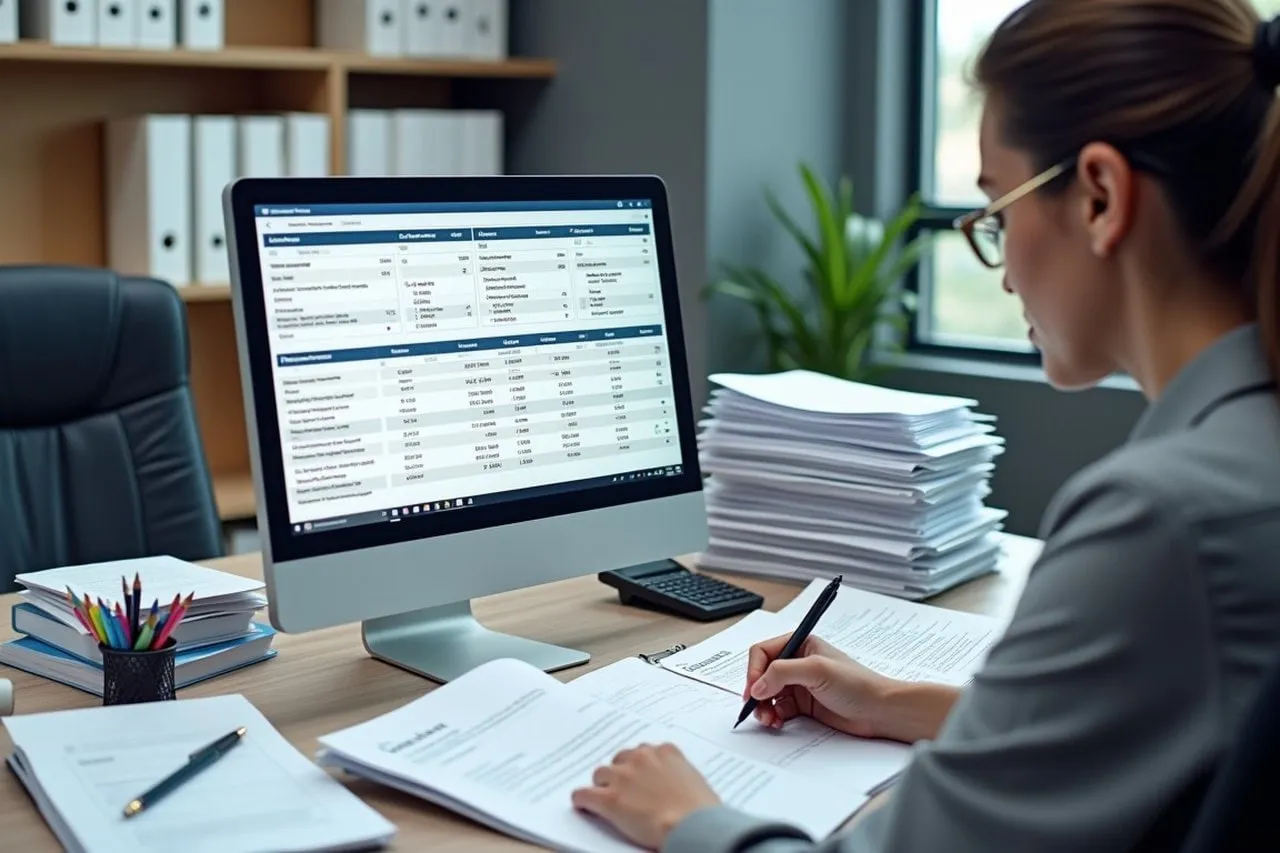
The accounting manager, the general accounting specialist and the certified accountant work in this layer. Management reviews the balance sheet and income statement. Banks and auditors ask for financial statements. For tax returns, VAT, withholding and provisional tax calculations come from here. For electronic ledgers, the journal and general ledger are also produced from here and filed with the authority where required. Budget and cost-center reports are also derived from general accounting records; for this reason account coding determines management reports too.

General accounting: What to watch out for

What to watch out for

The quality of general accounting depends on the quality of entry. An invoice entered to the wrong customer/supplier account, a wrong account code or a missing voucher creates a difference in the trial balance. At month-end close, verify records with account reconciliation, bank reconciliation and a stock count. Restrict changes to records after the period is closed. Because regulation changes often, rely on current regulation and your certified accountant for VAT rates, return periods and legal limits. If a change is needed after close, use a correcting voucher and record who changed what and when.

See how General accounting would work in your business

Tell us briefly about your process and we will walk through the screens with your own example.

  • Reply the same business day
  • 15+ years of experience
  • 90 client businesses

What does Panda AI do here?

At month-end close, Panda AI lists open items, missing vouchers and unmatched movements. The accountant makes the corrections and closes the period.

Frequently asked questions about General accounting

What is a trial balance?

A trial balance is a table showing the debit and credit totals and balances of all accounts at a given date. Equal debit and credit totals show that the records are balanced.

Can general accounting be outsourced?

Yes. Many businesses have a certified accountant do general accounting and tax return work. The business keeps pre-accounting records, and the certified accountant checks them and turns them into statutory records.

See General accounting with your own data

Describe your process in a few sentences and we will show you the modules that fit.

  • 15+ years of enterprise software experience
  • In the cloud or on your own server
  • Processes compliant with KVKK (Turkey's data protection law)